Glass Chapel, United States – Architectural projects made out of recycled materials
In the realm of architectural innovation, the Glass Chapel in the United States emerges as a transparent marvel, blending aesthetic allure with a commitment to sustainability. This article explores the intricate details of the Glass Chapel, unraveling its innovative design, construction techniques, and the pivotal role it plays in advancing the use of recycled materials in contemporary architectural masterpieces.
Architectural Design: Transparency Redefined
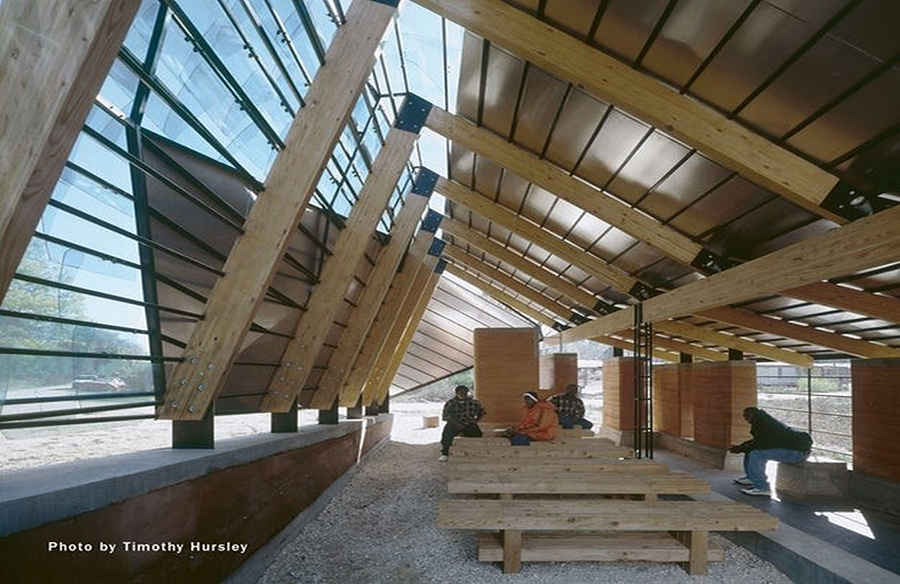
The Glass Chapel stands as a testament to the reimagination of transparency in architectural design. Architects meticulously crafted a structure that not only embraces natural light but also encapsulates the essence of sustainability. The design philosophy emphasizes a harmonious coexistence with nature, fostering an environment that blurs the boundaries between the interior and exterior.
Innovative Use of Recycled Materials
At the core of the Glass Chapel lies a commitment to environmental responsibility through the innovative use of recycled materials. Salvaged steel, repurposed glass, and recycled wood find purpose in creating a sanctuary that not only resonates with visual elegance but also champions the principles of sustainable architecture.
Construction: A Symphony of Craftsmanship and Sustainability
The construction of the Glass Chapel orchestrates a seamless fusion of traditional craftsmanship with modern sustainable practices. Expert artisans employ time-honored techniques, underscoring cultural continuity, while cutting-edge technologies are embraced to maximize the project’s environmental impact.
Challenges and Solutions
Constructing a chapel predominantly from recycled materials presents unique challenges, but the architects of the Glass Chapel navigated them with finesse. From addressing structural concerns to ensuring durability, rigorous testing and adherence to international sustainability standards underline the dedication to creating a structure that stands as an epitome of recycled architecture.
Sustainable Features: Harmonizing Nature and Design
The Glass Chapel is not merely a place of worship; it’s a harmonious integration of nature and design. From energy-efficient lighting to rainwater harvesting systems, every feature is meticulously designed to minimize the ecological footprint of the project and contribute to a more sustainable lifestyle.
Environmental Impact
Quantifying the environmental impact of the Glass Chapel reveals compelling statistics. The use of recycled materials significantly reduces the demand for virgin resources, leading to a substantial decrease in carbon emissions associated with traditional construction. The incorporation of sustainable features further solidifies the project’s commitment to a greener and more sustainable future.
Community Impact: A Transparent Haven for Worship
Beyond its architectural significance, the Glass Chapel plays a pivotal role in influencing the community it resides in. Aesthetic beauty coupled with sustainable practices creates a transparent haven for worship that inspires a sense of environmental consciousness among visitors.
Empowering the Community
The Glass Chapel stands as a living testament to the transformative power of architecture in fostering community development. By engaging with the local community through various initiatives, the architects have not only created a sacred space but also empowered individuals and families, fostering a deeper connection between spirituality and environmental responsibility.
Future Implications: Shaping the Landscape of Sustainable Sanctuaries
The success of the Glass Chapel holds implications beyond its immediate context, serving as an inspiration for future sustainable architectural endeavors in sacred spaces. Its impact challenges architects to prioritize transparency in design while adhering to the principles of environmental responsibility.
Influence on Architectural Practices
The influence of the Glass Chapel extends far beyond its physical boundaries. Architects and developers globally are taking note of its success, prompting a shift towards more sustainable practices. The integration of recycled materials in sacred architectural projects is becoming a prevailing trend, marking a transformative phase in the industry’s approach to spiritual sanctuaries.
Conclusion: A Transparent Legacy of Sustainable Sanctity
In conclusion, the Glass Chapel in the United States is not merely a place of worship; it’s a transparent legacy that transcends the conventional boundaries of architectural design. From its innovative use of recycled materials to its impact on community and spirituality, every facet of this project reflects a commitment to creating spaces that not only serve a spiritual purpose but also contribute positively to the environment and society. As the world grapples with the imperative of sustainable living, the Glass Chapel stands tall, offering a transparent beacon of inspiration for the future of architectural sanctuaries.