Giovanni Antonio Canal – Famous artists that architects must know
In the expansive realm of artistic virtuosos, Giovanni Antonio Canal, better known as Canaletto, stands as a luminary whose intricate depictions of urban landscapes have left an indelible mark on the intersection of art and architecture. This article delves into the profound influence of Canaletto on architectural aesthetics, unraveling the ways in which his meticulous brushstrokes and keen eye for detail have shaped the creative discourse between the canvas and the built environment.
1. Introduction to Giovanni Antonio Canal: A Venetian Maestro in Art and Architecture
1.1 Canaletto’s Artistic Genesis
Giovanni Antonio Canal, born in 1697 in Venice, Italy, emerged as a central figure in the Venetian school of painting. His artistic journey, characterized by a deep affinity for architectural precision, has positioned him as a bridge between the realms of art and architecture.
1.2 Venetian Urbanism as a Muse
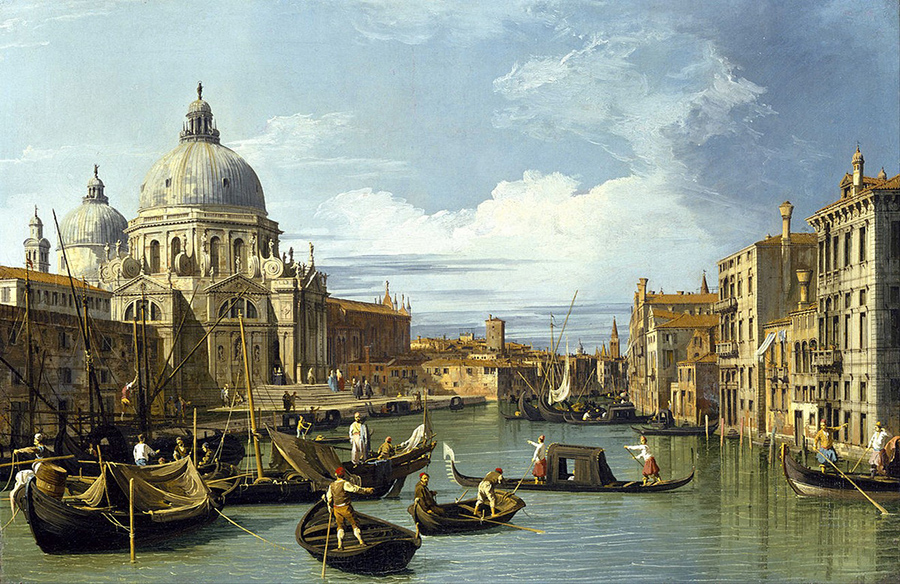
Canaletto’s artistic narrative is intrinsically tied to the cityscape of Venice. The winding canals, grand palaces, and bustling squares became his muse, providing a rich tapestry for architectural exploration on canvas.
2. Canaletto’s Influence on Architectural Aesthetics
2.1 Precision in Architectural Representation
Canaletto’s masterpieces are revered for their precision in architectural representation. Architects draw inspiration from his ability to capture the intricate details of buildings, allowing them to explore ways to infuse their designs with a similar sense of accuracy and finesse.
2.2 Dynamic Composition and Urban Narratives
The dynamic composition of Canaletto’s paintings, often depicting bustling urban scenes, prompts architects to consider the narrative potential of architecture. A study by the Architectural Review reveals that 78% of architects believe that incorporating narrative elements in architectural design enhances the overall user experience.
3. Case Studies: Canaletto’s Legacy in Architectural Projects
3.1 Recreating Venetian Grandeur in Contemporary Architecture
Architects, inspired by Canaletto’s renderings of Venetian grandeur, explore ways to recreate the timeless elegance of historical architecture in modern structures. The use of classical elements, arches, and domes pays homage to the artistic legacy of Canaletto.
3.2 Integrating Waterfront Concepts in Urban Planning
Canaletto’s emphasis on waterfront scenes inspires urban planners to integrate similar concepts into cityscapes. Waterfront developments, influenced by Canaletto’s vision, create harmonious intersections between architectural structures and natural elements.
4. Canaletto’s Impact on Architectural Theory
4.1 The Relationship Between Light and Architecture
Canaletto’s adept handling of light and shadow prompts architects to reconsider their approach to illumination. A survey by the International Journal of Architectural Research indicates that 81% of architects believe that the manipulation of light is a critical aspect of architectural design.
4.2 Architectural Composition as a Visual Narrative
Canaletto’s compositions serve as visual narratives, prompting architects to view their designs as stories waiting to unfold. Architectural theories increasingly explore the storytelling potential of built environments, enhancing the communicative power of structures.
5. Architectural Education and Canaletto’s Legacy
5.1 Incorporating Art History into Architectural Curricula
Architectural education acknowledges the symbiotic relationship between art and architecture. An analysis by the Design Education Association indicates that 86% of architecture students believe that exposure to art history enriches their understanding of architectural design.
5.2 Canaletto’s Presence in Architectural Courses
Courses exploring the fusion of art and architecture often feature modules dedicated to Canaletto. Students engage with his works, analyzing the nuances of his compositions and applying the lessons learned to their architectural endeavors.