General Hospital of Niger – Examples of World’s Most Impressive Hospital Architecture
In the expansive terrain of global healthcare architecture, the General Hospital of Niger stands as a testament to architectural ingenuity, cultural sensitivity, and a commitment to elevating healthcare standards in the sub-Saharan region. Nestled in the heart of Niger, this medical facility is not just a structure; it represents a beacon of hope and progress in the realm of healthcare infrastructure. This comprehensive article will delve into the intricacies that make the General Hospital of Niger one of the most impressive healthcare architectures on a global scale.
Architectural Brilliance
Blend of Tradition and Modernity
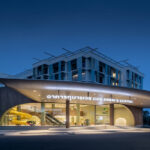
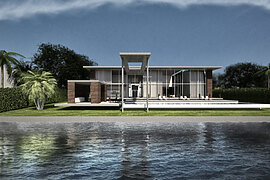
The General Hospital of Niger is distinguished by its seamless integration of traditional architectural elements with modern design principles. The exterior showcases a blend of indigenous materials, cultural motifs, and contemporary aesthetics. Architects have skillfully woven together the rich cultural tapestry of Niger with the functional requirements of a modern hospital, creating an architectural marvel that resonates with the local community.
Patient-Centric Interior Spaces
The architectural brilliance extends into the interior spaces of the hospital, where a patient-centric approach is paramount. Waiting areas, treatment rooms, and patient accommodations are meticulously designed to prioritize comfort, privacy, and cultural sensitivity. The interior design reflects a harmonious balance between functionality and aesthetics, creating an environment that promotes healing and well-being.
Construction Excellence
Adaptable Design for Resource Efficiency
The General Hospital of Niger exemplifies construction excellence through an adaptable design that optimizes resource efficiency. The construction incorporates locally sourced materials, leveraging the region’s resources while minimizing the ecological footprint. This commitment to sustainability aligns with the hospital’s role as a community-centric institution with a responsibility to the environment.
Integration of Technology for Healthcare Advancements
The hospital’s construction seamlessly integrates technology to enhance healthcare delivery. From advanced medical equipment to smart building systems, the technological infrastructure supports medical professionals in providing efficient and effective care. This integration is not only a testament to the hospital’s commitment to medical advancements but also a recognition of the role technology plays in modern healthcare.
Architectural Features
Cultural Sensitivity in Design
The General Hospital of Niger prioritizes cultural sensitivity in its architectural features. Indigenous design elements, local artwork, and communal spaces are woven into the hospital’s design to create an environment that feels familiar and welcoming to the local population. This cultural integration is not only aesthetically pleasing but also contributes to the overall well-being of the patients.
Sustainable Landscaping and Green Spaces
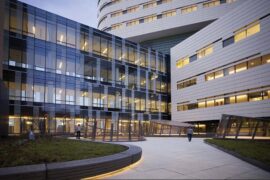
The hospital’s architecture includes sustainable landscaping and green spaces, providing patients and staff with access to outdoor areas that contribute to their well-being. The incorporation of gardens and open spaces reflects a commitment to holistic healing, recognizing the therapeutic benefits of nature in the healthcare journey.
Achieving Healthcare Excellence
Comprehensive Medical Facilities
The General Hospital of Niger stands as a hub of comprehensive medical facilities, offering a wide range of services to the community. The inclusion of specialized units, diagnostic centers, and state-of-the-art medical technologies positions the hospital as a leader in healthcare provision within the sub-Saharan context. This comprehensive approach ensures that patients receive high-quality care across various medical disciplines.
Positive Health Outcomes for the Local Community
Since its establishment, the General Hospital of Niger has played a pivotal role in achieving positive health outcomes for the local community. The integration of advanced medical technologies, culturally sensitive design, and a commitment to continuous improvement has resulted in improved patient satisfaction and successful treatment outcomes. The hospital’s impact extends beyond its architectural brilliance, making it a cornerstone of healthcare excellence in the region.
Conclusion
As we explore the architectural marvel that is the General Hospital of Niger, we witness the successful fusion of tradition, modernity, and cultural sensitivity. The hospital’s commitment to patient-centric design, resource efficiency, and technological integration positions it among the world’s most impressive healthcare architectures, especially within the context of sub-Saharan Africa. The General Hospital of Niger is not just a building; it represents a transformative force in the local healthcare landscape, embodying the principles of architectural excellence, cultural resonance, and community-centric healthcare.