FL Wright’s Vision of Broadacre City – Conceptual urban planning theories by famous architects
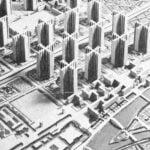
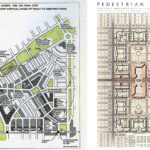
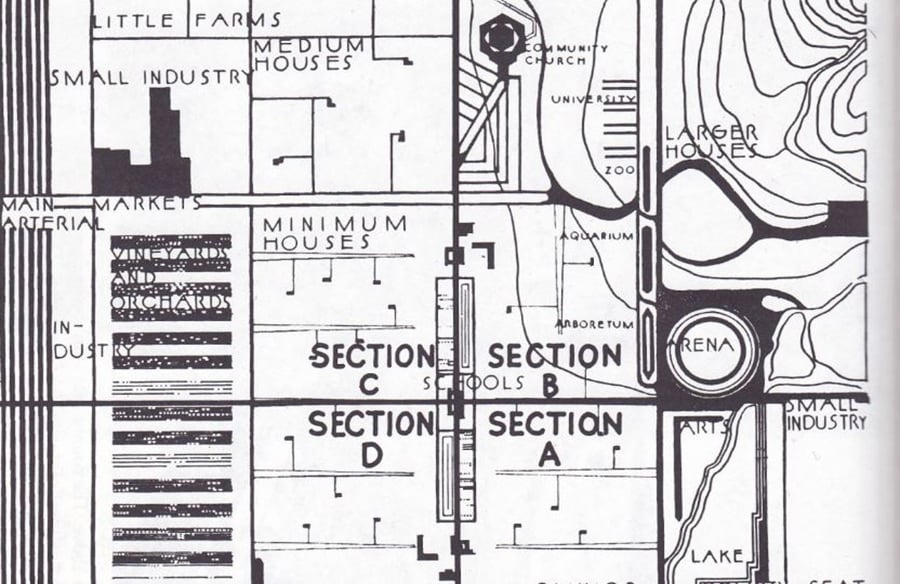
In the tapestry of urban planning theories, one name that resonates profoundly is Frank Lloyd Wright, the iconic American architect. His conceptualization of the “Broadacre City” in the mid-20th century marked a departure from traditional urban models. This exploration delves into the intricacies of Wright’s groundbreaking ideas, illuminating his principles and the lasting impact they’ve had on the discourse surrounding modern urban design.
The Visionary Mind of FL Wright:
Frank Lloyd Wright, celebrated for his innovative contributions to architecture, unveiled the Broadacre City concept in the 1930s as a response to the challenges posed by industrialization and urbanization. His vision sought to redefine the relationship between the individual and the built environment, envisioning a decentralized, self-sufficient urban landscape.
Principles of Broadacre City:
- Decentralization and Individual Land Ownership: At the core of Broadacre City is the principle of decentralization. Wright envisioned a landscape where each family owned a substantial plot of land, blurring the lines between urban and rural living. This concept aimed to provide individuals with autonomy, allowing them to cultivate their surroundings and forge a direct connection with nature.
- Broad Acreage for Every Citizen: The name “Broadacre City” is reflective of its emphasis on ample land for every citizen. Wright proposed a minimum of one acre of land per family, fostering a sense of spaciousness and independence. This departure from the cramped confines of urban centers aimed to enhance the quality of life for residents.
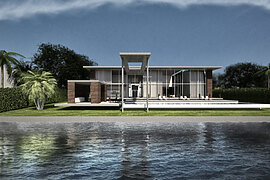
- Organic Architecture and Usonian Homes: Wright’s commitment to organic architecture is evident in the Broadacre City concept. He envisioned Usonian homes, characterized by their integration with the natural environment and emphasis on efficiency and simplicity. The architecture was intended to harmonize with the surrounding landscape, fostering a sense of unity between the built and natural environments.
- Transportation Infrastructure and Technology: Broadacre City incorporated advanced transportation infrastructure, including highways and air travel, facilitating connectivity between decentralized communities. Wright envisioned a reliance on modern technology to overcome spatial barriers and enhance communication, thereby mitigating the challenges posed by the vast expanse of the city.
Legacy and Influence:
While Broadacre City itself was never fully realized, the principles embedded in Wright’s vision have significantly influenced subsequent urban planning and design philosophies. The emphasis on decentralization, individual land ownership, and organic architecture continues to resonate in contemporary discussions on sustainable and livable urban environments.
Challenges and Criticisms:
Despite its visionary nature, Broadacre City faced criticism for potential sprawl and the ecological impact of decentralized development. Critics argued that the vast dispersion of communities might pose challenges for efficient resource allocation and infrastructure management.
Contemporary Applications:
Elements of Frank Lloyd Wright’s Broadacre City concept can be observed in contemporary urban planning strategies. The emphasis on green spaces, sustainable design, and the integration of technology to connect decentralized communities reflects a continued interest in the principles set forth by Wright.
Conclusion:
Frank Lloyd Wright’s Broadacre City concept stands as a testament to his visionary approach to urban planning. While the actualization of the entire vision remains unrealized, the principles embedded in Broadacre City have left an enduring impact on the discourse surrounding modern urban design. As cities worldwide grapple with the challenges of urbanization, Wright’s ideas continue to inspire architects and planners to explore innovative solutions that prioritize individual autonomy, sustainable living, and a harmonious relationship between the built environment and nature. The legacy of Broadacre City persists, encouraging a thoughtful reconsideration of how we envision and shape the cities of tomorrow.