Farming in Cities – Green Urban Spaces – 20 Types of Architecture thesis topics
In the fast-paced urban environments of the 21st century, the integration of agriculture into the fabric of cities has emerged as a transformative solution for sustainable living. This article delves into the dynamic realm of “Farming in Cities,” uncovering the profound impact of green urban spaces on architecture, interior design, and urban design. From rooftop gardens to vertical farms, the typology of this architectural built type offers a rich canvas for students of architecture seeking compelling thesis topics.
The Rise of Urban Farming: A Response to Global Challenges
In recent years, the concept of urban farming has gained traction as cities grapple with issues like food security, environmental degradation, and the need for resilient, self-sufficient communities. The integration of agriculture into urban spaces not only addresses these challenges but also presents an innovative approach to shaping the urban landscape.
Architectural Typologies: From Rooftop Oases to Vertical Farms
Rooftop Gardens: Reclaiming the Skyline
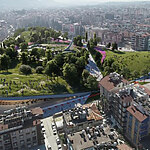
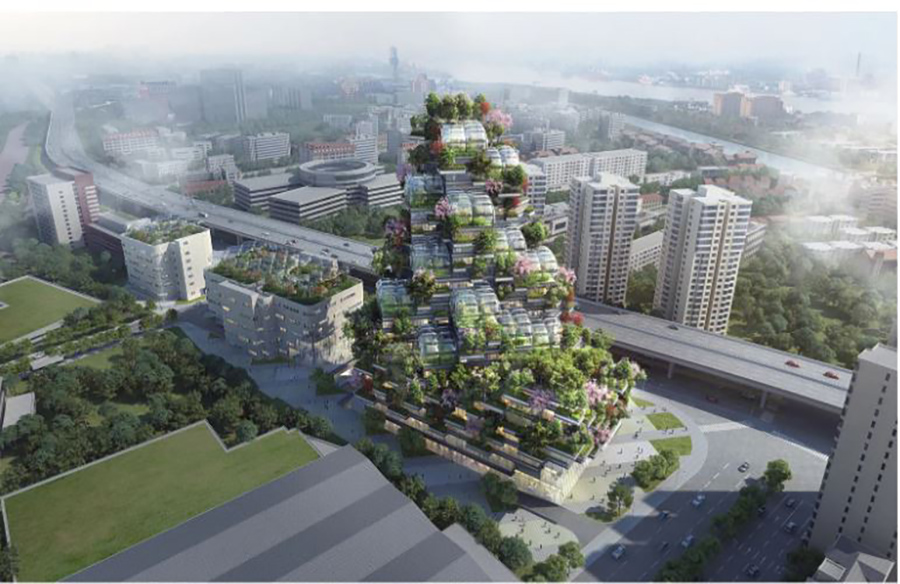
Rooftop gardens represent a quintessential element of green urban spaces. Architects are increasingly designing buildings with integrated green spaces on their roofs, transforming these areas into thriving gardens that provide both aesthetic appeal and sustainable benefits. These elevated oases contribute to improved air quality, reduced urban heat island effect, and enhanced biodiversity within the city.
Vertical Farms: A New Dimension in Agriculture
In the quest for optimal land use, architects and urban designers are exploring vertical farming as a groundbreaking solution. Vertical farms utilize vertical space to cultivate crops in stacked layers, often within urban high-rises. This innovative approach not only maximizes agricultural output but also minimizes the ecological footprint of food production, a critical consideration in densely populated urban areas.
Green Infrastructure: Bridging Architecture and Nature
The integration of green infrastructure into urban design involves incorporating vegetation and natural elements into the built environment. Green roofs, permeable surfaces, and urban forests are becoming integral components of architectural projects. This approach not only enhances the visual appeal of cities but also contributes to stormwater management, biodiversity conservation, and overall ecological resilience.
The Architect’s Role: Shaping Sustainable Urban Environments
Architects play a pivotal role in the conceptualization and implementation of green urban spaces. By adopting sustainable design principles, architects can create buildings that harmonize with their surroundings, promote biodiversity, and contribute to the overall well-being of urban inhabitants. This approach goes beyond aesthetics, emphasizing the profound impact that architecture can have on the environmental and social fabric of cities.
Educational Opportunities: Exploring Farming in Cities as a Thesis Topic
For students of architecture seeking compelling thesis topics, the exploration of farming in cities provides a rich and multifaceted subject. Here are key aspects to consider when delving into this innovative built typology:
Sustainability in Design
Investigate how incorporating agricultural elements into architectural design contributes to the overall sustainability of urban environments. Analyze case studies of eco-friendly buildings that seamlessly blend agriculture with modern architecture.
Social Impacts
Explore the social implications of green urban spaces. Investigate how these spaces foster community engagement, promote healthy lifestyles, and address social inequalities related to access to fresh produce.
Technological Integration
Examine the role of technology in enhancing the efficiency and productivity of urban farming. Consider how advancements in automation, smart irrigation, and data analytics contribute to the success of agricultural initiatives within the urban context.
Policy and Planning
Investigate the role of urban planning and policy in promoting and regulating farming in cities. Analyze case studies from cities around the world that have successfully implemented policies supporting the integration of agriculture into urban design.
Conclusion: Paving the Way for Greener, More Sustainable Cities
As urban populations continue to grow, the imperative for sustainable and resilient cities becomes increasingly evident. Farming in cities, with its diverse architectural typologies, offers a pathway to harmonizing urban life with nature. Architects, interior designers, and urban planners have a unique opportunity to shape the future of our cities by embracing the principles of green urban spaces. By fostering collaboration between the built environment and agriculture, we can create cities that are not only visually striking but also environmentally conscious and socially inclusive.
Take Action: Embracing Green Urban Spaces Today
- Advocate for Green Building Practices: Support and promote the integration of green building practices in your community. Encourage architects and developers to prioritize sustainability in their designs.
- Get Involved in Urban Farming Initiatives: Explore opportunities to contribute to urban farming initiatives in your city. Whether it’s volunteering at a community garden or advocating for urban agriculture policies, active participation can drive positive change.
- Stay Informed: Stay updated on the latest developments in sustainable architecture, interior design, and urban planning. Knowledge is a powerful tool in advocating for and implementing green urban spaces.
By taking these actions, individuals can contribute to the ongoing transformation of our cities into vibrant, green, and sustainable spaces that prioritize the well-being of both residents and the environment.