Exploring the Innovative Potential of Malai – Building Materials for Interiors- 2021
Malai, a bio-composite material, has emerged as a revolutionary option in the realm of sustainable interior design, captivating architects, designers, and eco-conscious enthusiasts alike. With its eco-friendly attributes and versatility, Malai presents a promising alternative, marrying innovation with environmental responsibility in contemporary interior spaces.
Unveiling the Origins and Composition of Malai
Malai derives its name from the Tamil word meaning ‘cream.’ It’s a biodegradable material crafted from bacterial cellulose, extracted from agricultural waste, coconut water, and natural fibers such as banana and hemp. This innovative fusion results in a versatile and sustainable material with minimal environmental impact.
Versatility and Applications in Interior Design
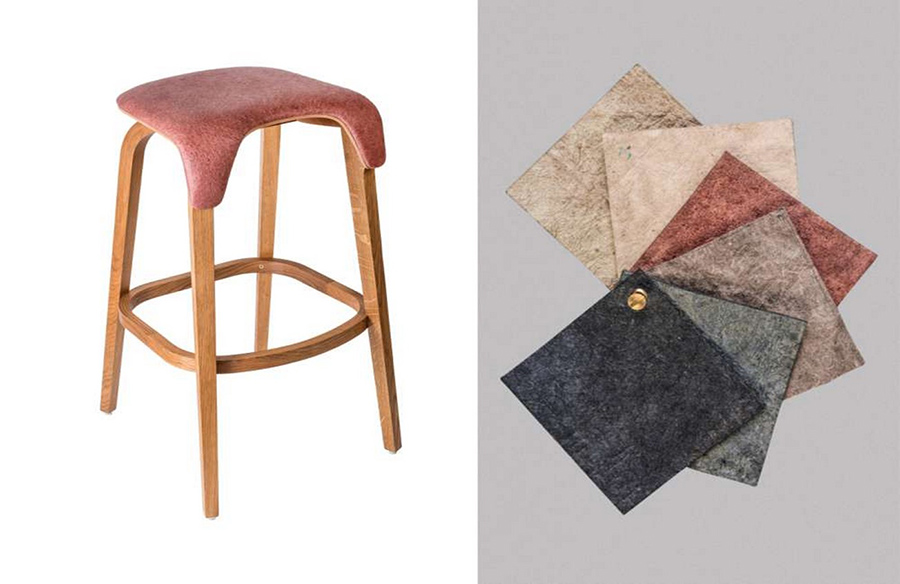
Malai’s versatility extends to various interior applications. This bio-composite material can be molded, shaped, and formed into diverse products, including furniture, decorative panels, and even lighting fixtures. Its adaptability to different forms allows for creative and customized design solutions.
Sustainable Attributes and Environmental Impact
At the core of Malai lies its commitment to sustainability. The utilization of agricultural waste and natural fibers reduces the environmental footprint associated with its production. Moreover, its biodegradability ensures a minimal impact at the end of its lifecycle, aligning with principles of circular design.
Aesthetics and Texture
Malai exhibits a unique aesthetic appeal, boasting a texture reminiscent of natural fibers. Its organic look and feel, coupled with its ability to take on various finishes, textures, and colors, make it an enticing option for designers aiming to infuse spaces with an eco-friendly yet stylish allure.
Durability and Performance
Despite its eco-friendly composition, Malai exhibits impressive durability and resilience. Its inherent strength allows it to withstand everyday use, making it suitable for interior applications. Additionally, it retains its structural integrity while offering a lightweight and versatile design solution.
Innovation and Design Trends
Innovators and designers are continuously exploring the potential of Malai in various design applications. From fashion accessories to interior design elements, its adaptability and eco-friendly nature have positioned it as a frontrunner in the pursuit of sustainable design practices.
Conclusion: Malai’s Role in Sustainable Interior Design
Malai stands as a symbol of innovation and sustainability in modern interior design. Its eco-friendly composition, versatility, durability, and aesthetic appeal present a compelling case for its integration into contemporary spaces, providing a pathway towards a more sustainable future.