DomiNations – Architecture Games you can play on your mobile
DomiNations, a mobile strategy game, not only captivates players with its engaging gameplay but also offers a unique journey through architectural history. This article delves into the intricate architectural aspects of DomiNations, exploring its gameplay mechanics, historical representation, and the fascinating intersection of design, construction, and strategy that sets it apart in the world of mobile gaming.
Understanding DomiNations Gameplay: A Fusion of Strategy and Architecture
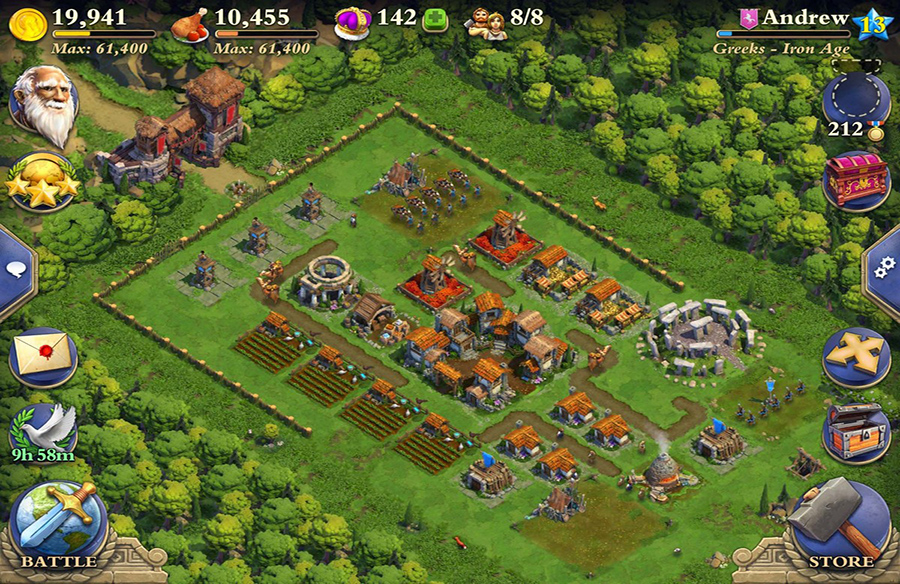
Gameplay Overview: DomiNations challenges players to guide their civilizations through different ages, from the Stone Age to the Information Age, by strategically building and evolving their cities. The game seamlessly blends architectural decisions with strategic choices, creating a captivating experience that mirrors the complexities of real-world urban planning and historical evolution.
Architectural Challenges Across Ages: DomiNations excels in presenting architectural challenges across various historical periods. Players must adapt their cities to reflect the architectural styles and technological advancements of each age, showcasing the evolution of human architecture and construction throughout history.
Key Architectural Elements in DomiNations:
- Historical Accuracy in Architectural Styles: One of the standout features of DomiNations is its commitment to historical accuracy in architectural styles. Each age introduces players to distinct and authentic building designs that mirror the cultural and technological characteristics of the corresponding historical era.
- City Planning and Strategic Construction: The game places a strong emphasis on city planning and strategic construction. Players are tasked with strategically placing buildings, fortifications, and resource-generating structures within their cities, requiring a thoughtful approach to spatial layout—a reflection of the challenges architects face in optimizing functionality within urban environments.
- Technological Advancements and Architectural Progression: DomiNations introduces technological advancements that directly impact architectural progression. As players research technologies and advance through ages, new architectural possibilities become available. This dynamic mirrors the real-world scenario where technological innovations drive architectural evolution.
Architectural Learning Through DomiNations:
Historical Architectural Evolution: DomiNations serves as an educational tool, providing players with insights into the historical evolution of architecture. It offers a virtual journey through diverse architectural styles, allowing players to witness how design and construction techniques have evolved over centuries.
Strategic Urban Planning: The game encourages strategic urban planning, challenging players to consider the layout of their cities from both aesthetic and functional perspectives. This aligns with the strategic thinking architects employ when designing urban spaces that balance form and function.
Impact on the Design and Construction Industry:
Urban Planning Strategies: DomiNations offers inspiration for urban planning strategies. Architects can draw ideas from the game’s representation of evolving city layouts, gaining insights into how historical urban planning influences modern design principles.
Architectural Adaptation to Technological Changes: The game underscores the need for architectural adaptation in the face of technological changes. Architects can reflect on the challenges presented by technological advancements and how they influence architectural design in the real world.
Future Prospects and Technological Advancements:
Integration of Augmented Reality (AR): As technology continues to advance, DomiNations and similar games may explore the integration of augmented reality (AR). This innovation could provide players with a more immersive experience by overlaying historical architectural styles onto real-world environments, enhancing the educational aspect of the game.
Collaborative Architectural Projects: Future updates might introduce collaborative architectural projects, allowing players to work together to build interconnected civilizations. This collaborative element could mimic the teamwork prevalent in the architectural and construction industry, fostering a sense of community within the gaming experience.