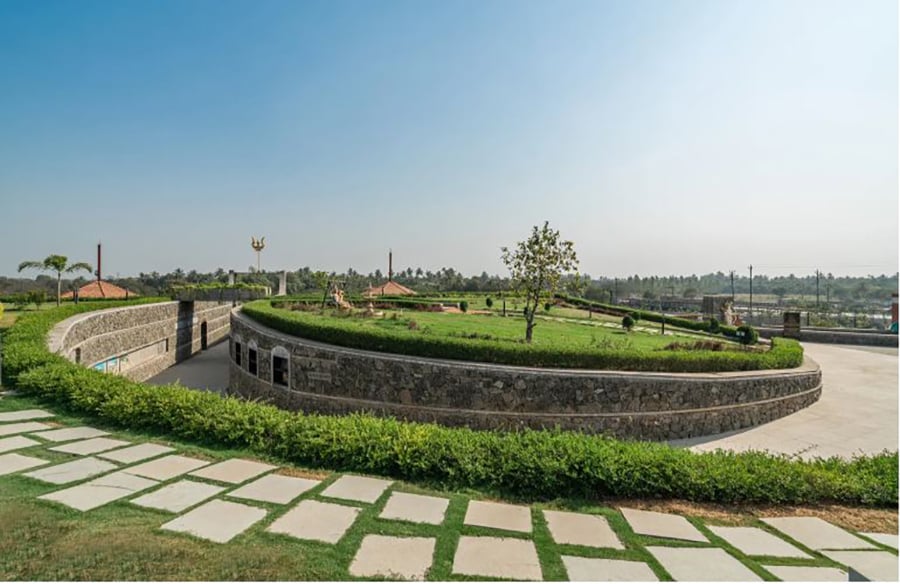
Crematorium – Public Architecture – 20 Types of Architecture thesis topics
In the realm of architecture, the design and construction of crematoriums as public spaces present a unique challenge and opportunity for architects, interior designers, and urban planners alike. Beyond their somber purpose, crematoriums serve as vital public architecture, embodying cultural, spiritual, and practical considerations. This article delves into the intricacies of crematorium design, emphasizing its role in the public domain.
The Significance of Crematoriums in Public Spaces
Commemoration and Reflection
Crematoriums stand as spaces of remembrance, providing solace and closure for those grieving the loss of a loved one. Their design must foster an atmosphere conducive to reflection and commemoration, striking a delicate balance between solemnity and comfort.
Cultural Sensitivity
Cultural diversity plays a pivotal role in shaping the architecture of crematoriums. Architects must be attuned to the diverse needs and rituals associated with different cultures and religions. This sensitivity ensures that the space accommodates various practices while maintaining a universal sense of respect.
Typology of Crematoriums
Traditional vs. Contemporary Designs
Crematoriums exhibit a diverse range of architectural styles, from traditional structures that resonate with historical significance to contemporary designs that embrace modern aesthetics. Understanding the evolution of these typologies is crucial for aspiring architects embarking on the exploration of this unique architectural form.
Adaptive Reuse
In recent years, architects have increasingly explored adaptive reuse strategies for existing structures, transforming them into functional and culturally sensitive crematoriums. This sustainable approach breathes new life into old buildings, preserving their historical essence while fulfilling a contemporary purpose.
Design Principles
Spatial Arrangement
Efficient spatial arrangement is paramount in crematorium design. The flow of spaces, from reception areas to cremation chambers and memorial zones, must be meticulously planned to ensure a seamless experience for visitors.
Natural Elements
Integrating natural elements, such as greenery and natural light, into the design not only enhances the aesthetics but also contributes to a tranquil atmosphere. Thoughtful landscaping can create spaces for contemplation and solace.
Technology Integration
Incorporating cutting-edge technology into crematorium design is essential for optimizing operational efficiency and ensuring a seamless experience for both staff and visitors. From advanced cremation systems to multimedia memorial displays, technology plays a pivotal role in modern crematorium architecture.
Urban Integration
Contextual Sensitivity
Crematoriums are not standalone structures but integral parts of the urban fabric. Architects must consider the surrounding environment, urban density, and accessibility when designing these spaces. Integrating crematoriums into the existing urban context ensures their harmonious coexistence with other public structures.
Community Engagement
Architects and urban designers should actively engage with local communities when planning crematoriums. Public input can provide valuable insights into the cultural nuances and preferences of the community, fostering a sense of ownership and connection.
Case Studies
Père Lachaise Crematorium, Paris
A historical landmark, the Père Lachaise Crematorium in Paris exemplifies the fusion of classical architecture with functional modernity. Its serene garden setting and innovative spatial layout make it a noteworthy example for students exploring crematorium design.
Toi Ohomai Crematorium, New Zealand
Situated in Rotorua, the Toi Ohomai Crematorium showcases the integration of Maori cultural elements into its design. This case study highlights the importance of cultural sensitivity and community collaboration in creating a meaningful public space.
Conclusion
Crematoriums, as public architecture, demand a nuanced and thoughtful approach from architects and designers. This article has provided a comprehensive exploration of their significance, typology, design principles, and integration into urban landscapes. For aspiring architects considering crematoriums as a thesis topic, the journey involves not only mastering design principles but also understanding the profound impact these spaces have on the communities they serve.
Call to Action
To delve deeper into the world of crematorium design and public architecture, aspiring architects are encouraged to engage with local communities, study diverse case studies, and explore the evolving trends in memorial architecture. By combining creativity with cultural sensitivity, future architects can contribute to the creation of compassionate and functional spaces that resonate with the diverse needs of society.