Cardboard – Cost effective materials in construction
In the ever-evolving landscape of construction materials, architects and builders are exploring unconventional yet highly effective solutions to meet the demands of modern design and construction. Cardboard, often underestimated, has emerged as a versatile and cost-effective material that challenges traditional norms. This article delves into the myriad applications and benefits of cardboard in construction, showcasing its potential as a sustainable and economical choice.
Understanding Cardboard as a Construction Material
Cardboard, commonly associated with packaging and disposable goods, has transitioned from the realm of temporary use to a material of substance in the construction industry. Composed of compressed layers of paperboard, cardboard proves to be surprisingly resilient when engineered for structural applications. Architects and builders are increasingly leveraging its unique properties for a range of construction projects.
Structural Strength of Cardboard
Cardboard’s structural capabilities are often overlooked, but its composition and design make it a compelling choice for certain applications. Engineered cardboard panels, with carefully arranged layers and adhesive bonding, exhibit impressive strength-to-weight ratios. This allows architects to explore innovative designs without compromising on structural integrity.
Insulating Properties
Cardboard’s natural insulating properties make it a valuable asset in construction projects. The trapped air within its layers acts as a thermal barrier, contributing to energy efficiency in buildings. This inherent insulation can be harnessed to create structures that are not only cost-effective but also environmentally friendly, reducing the need for additional insulation materials.
Eco-Friendly Construction with Cardboard
As sustainability takes precedence in the construction industry, cardboard emerges as a champion of eco-friendly practices. Its primary component, paperboard, is derived from renewable resources, making cardboard an inherently sustainable choice. Moreover, cardboard is recyclable, contributing to a circular economy by minimizing waste and reducing the environmental impact associated with traditional construction materials.
Cost-Effective Construction Solutions
Cardboard’s affordability is a significant factor that positions it as a cost-effective construction material. The ease of sourcing and manufacturing, coupled with its lightweight nature, translates to lower transportation and handling costs. Architects and builders looking to optimize construction budgets find cardboard an attractive option without compromising on quality.
Design Versatility with Cardboard
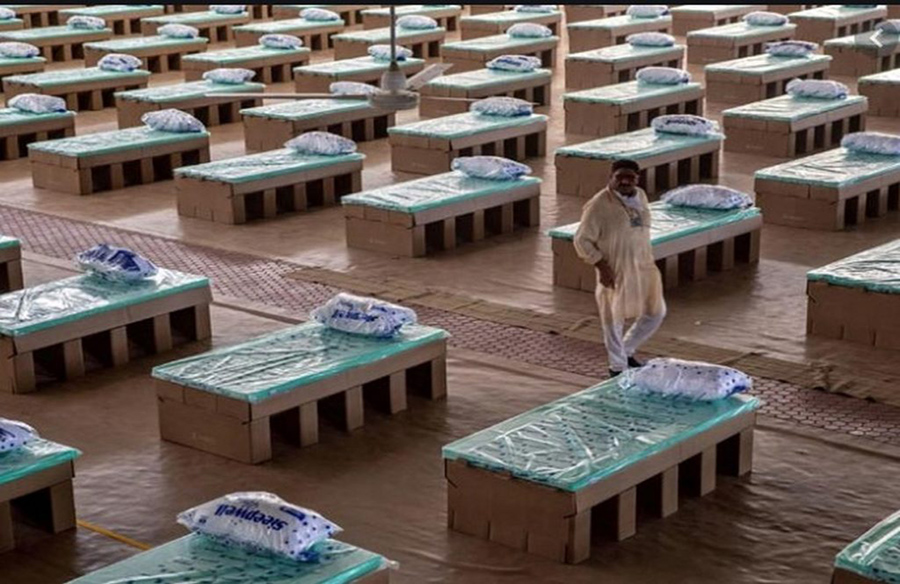
Architects appreciate cardboard for its design flexibility. The material can be easily cut, molded, and shaped to suit a variety of architectural styles. From temporary structures to permanent installations, cardboard’s adaptability allows for intricate designs and geometric forms, enabling architects to push the boundaries of creativity.
Fire Resistance and Safety
Contrary to common misconceptions, engineered cardboard panels can exhibit commendable fire resistance. When treated with fire-retardant coatings, cardboard can meet stringent safety standards, making it a viable choice for certain applications where fire safety is paramount. Understanding and implementing proper safety measures ensures that cardboard structures maintain a high level of safety.
Challenges and Considerations
While cardboard offers numerous advantages, it is essential to address potential challenges. Moisture is a significant concern, as cardboard can weaken when exposed to water. Implementing protective measures, such as waterproof coatings or strategic design choices, mitigates this risk. Architects and builders must carefully assess the suitability of cardboard for specific projects based on environmental conditions.
Conclusion
In the quest for innovative, cost-effective, and sustainable construction materials, cardboard emerges as a formidable contender. Its structural strength, insulating properties, affordability, and design versatility position it as a valuable resource for architects and builders seeking unconventional solutions. As the construction industry evolves, cardboard proves that ingenuity can be found in unexpected places. By embracing cardboard as a legitimate construction material, architects contribute to a more sustainable and cost-effective built environment, proving that sometimes, the simplest solutions are the most transformative.