Bhopal – Greenest Cities in India every Architect must know about
Bhopal, often referred to as the “City of Lakes,” stands as a testament to exemplary urban planning, showcasing a harmonious blend of modernity and environmental consciousness. The city’s development is guided by meticulous urban planning principles, fostering a sustainable environment that prioritizes the well-being of its residents.
Sustainable Infrastructure Development
In the realm of urban planning, Bhopal has emerged as a beacon of sustainable infrastructure development. The city’s master plan integrates efficient transportation systems, pedestrian-friendly zones, and green corridors, ensuring a seamless coexistence of nature and urban life. The emphasis on mixed-use development minimizes commuting, reducing the city’s carbon footprint.
Sustainability at its Core: A Green Revolution Unfolding
Bhopal’s commitment to sustainability extends beyond urban planning, permeating every facet of its existence. The city has embraced renewable energy initiatives, catapulting it into the forefront of the green revolution.
Harnessing Renewable Energy
Bhopal has strategically implemented solar and wind energy projects, harnessing the region’s abundant natural resources. Rooftop solar panels adorn buildings, transforming them into energy-efficient structures. Wind turbines, gracefully blending into the cityscape, contribute to the city’s renewable energy grid.
Green Spaces and Biodiversity Conservation
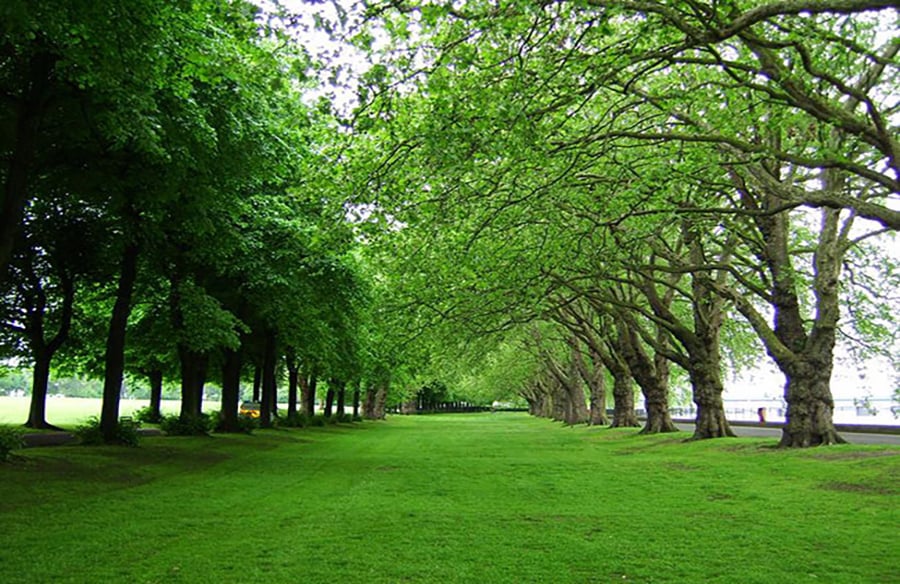
A key aspect of Bhopal’s green initiative lies in its dedication to preserving natural habitats and promoting biodiversity. The city boasts an extensive network of green spaces, parks, and recreational areas. These not only enhance the quality of life for residents but also serve as vital lungs for the city, mitigating the urban heat island effect.
Waste Not, Want Not: Innovative Waste Management Strategies
Bhopal sets an exemplary standard in waste management, exemplifying how a city can thrive while minimizing its environmental impact.
Segregation at Source
At the heart of Bhopal’s waste management strategy is the meticulous segregation of waste at its source. Residents actively participate in this process, sorting organic and recyclable waste from non-recyclables. This not only reduces landfill pressure but also facilitates efficient recycling and resource recovery.
Recycling and Upcycling Initiatives
The city has embraced innovative recycling and upcycling initiatives, transforming waste into valuable resources. From recycled building materials to upcycled urban furniture, Bhopal showcases how waste can be repurposed to create sustainable, aesthetically pleasing urban environments.
Policy and Governance: Paving the Way for Green Urbanism
The success of Bhopal’s green journey is underpinned by robust policy frameworks and effective governance structures.
Incentivizing Sustainable Practices
Bhopal’s local government has implemented policies that incentivize sustainable practices. From tax breaks for eco-friendly buildings to subsidies for electric vehicles, the city encourages residents and businesses to embrace sustainable choices.
Community Engagement and Education
A cornerstone of Bhopal’s governance model is community engagement and education. Regular workshops, awareness campaigns, and educational programs empower residents with the knowledge and tools to actively contribute to the city’s sustainability goals.
Challenges and Solutions: Navigating the Path to Green Excellence
Bhopal’s green transformation has not been without challenges. However, the city’s commitment to sustainability has spurred innovative solutions.
Balancing Growth and Conservation
The challenge of balancing urban growth with environmental conservation is a constant consideration for Bhopal’s planners. The city addresses this by adopting a ‘smart growth’ approach, focusing on compact, efficient development while preserving natural ecosystems.
Climate Resilience Measures
Bhopal, cognizant of the challenges posed by climate change, has implemented resilience measures. From stormwater management systems to climate-adaptive infrastructure, the city is prepared to withstand the impacts of a changing climate.
Conclusion: Bhopal – A Model for Green Urban Living
In conclusion, Bhopal stands as a model for green urban living, where sustainability is not a mere buzzword but an integral part of the city’s DNA. Through meticulous urban planning, renewable energy initiatives, waste management strategies, and proactive governance, Bhopal showcases the possibilities of harmonizing urban development with environmental stewardship. As cities worldwide grapple with the imperative of sustainable living, Bhopal stands tall, a testament to what can be achieved when a community and its leaders commit to a greener, more sustainable future.