Bangkok, Thailand – Most Populated Cities in the World
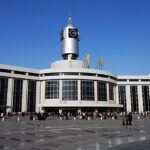
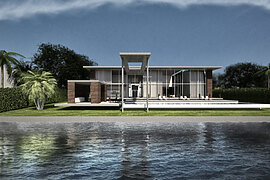
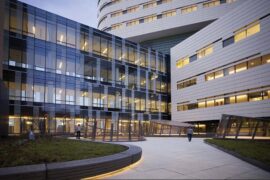
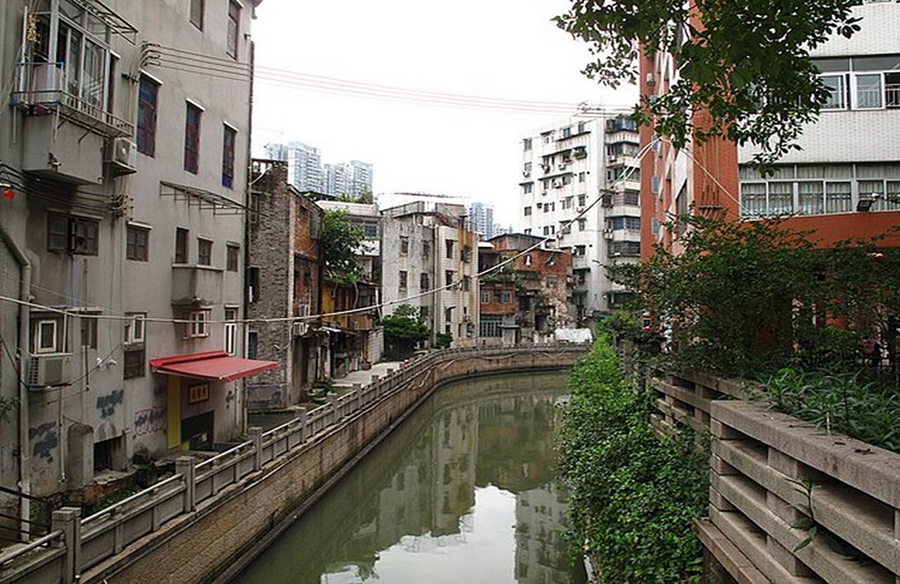
In the bustling metropolis of Bangkok, Thailand, architectural marvels seamlessly blend traditional charm with modern skyscrapers, creating a cityscape that mirrors its rich cultural tapestry. This article delves into the architectural intricacies of Bangkok, exploring its population dynamics, iconic structures, sustainable initiatives, and the city’s commitment to shaping a vibrant urban future.
Population Dynamics of Bangkok
Urban Expansion and Cultural Diversity
Bangkok, with a population exceeding 10 million, epitomizes the vibrancy of urban expansion and cultural diversity. As the city evolves, architects and urban planners navigate the challenges of catering to a diverse demographic while preserving the essence of Thai culture. The demographic mosaic of Bangkok reflects a dynamic interplay between tradition and modernity.
Architectural Diversity in Bangkok
Tradition, Temples, and Towering Skyscrapers
Bangkok’s architectural diversity is a fascinating blend of tradition and modernity. While historic temples like Wat Pho and Wat Arun showcase Thailand’s cultural heritage, towering skyscrapers such as the iconic Mahanakhon and Baiyoke Tower II symbolize the city’s embrace of contemporary design. The juxtaposition of ancient temples against the backdrop of modern high-rises creates a unique architectural identity for Bangkok.
Sustainable Architecture Initiatives
Green Urban Oases Amidst Concrete Jungle
Bangkok, confronted with urban challenges and environmental concerns, actively engages in sustainable architecture initiatives. Architects prioritize green spaces, energy-efficient designs, and eco-friendly structures. Projects like the Chulalongkorn University Centenary Park exemplify Bangkok’s commitment to integrating nature into urban landscapes while addressing the demands of a growing population.
Urban Planning and Zoning Strategies
Preserving Heritage Amidst Urban Modernization
Bangkok’s urban planning strategies emphasize the preservation of cultural heritage amidst rapid modernization. Initiatives such as the Rattanakosin Island urban conservation project aim to maintain the historic character of the city. As Bangkok transforms, architects carefully balance the need for modern infrastructure with the imperative to conserve the city’s cultural legacy.
Resilience in the Face of Urban Challenges
Architectural Adaptations to Climate and Growth
Bangkok faces challenges such as flooding and rapid urbanization. Architects respond with designs that showcase resilience, incorporating adaptive features to address the city’s dynamic environment. The ICONSIAM complex, with its innovative riverbank design, stands as a testament to Bangkok’s commitment to architectural resilience and functionality.
Technological Integration in Bangkok’s Architecture
Smart City Innovations for Urban Efficiency
Bangkok seamlessly integrates technology into its architectural landscape to enhance urban living. Smart city initiatives, digital infrastructure, and modern designs like the MahaNakhon CUBE exemplify the city’s commitment to technological innovation. Bangkok positions itself as a hub for cutting-edge architectural practices, leveraging technology for efficiency and sustainability.
Architectural Icons of Bangkok
Wat Arun
Wat Arun, or the Temple of Dawn, with its intricate spires and Khmer-style architecture, is a symbolic representation of Bangkok’s rich cultural and religious heritage.
Mahanakhon Skywalk
The Mahanakhon Skywalk, part of the King Power Mahanakhon building, offers panoramic views of the city. Its avant-garde design adds a contemporary touch to Bangkok’s skyline.
Bangkok’s Future Architectural Landscape
As Bangkok continues to evolve, its architectural landscape is poised for further transformation. Urban planners and architects explore innovative solutions to address the challenges of a growing population while preserving the city’s unique identity. Bangkok’s commitment to sustainable practices, technological integration, and resilient design will shape its architectural future.
Conclusion
In conclusion, Bangkok, Thailand, stands as a city where architectural traditions coexist harmoniously with modern aspirations. From the historic temples along the Chao Phraya River to the sleek skyscrapers of the central business district, Bangkok’s architecture narrates a story of cultural pride, urban growth, and a commitment to sustainable living. As the city strides confidently into the future, Bangkok’s architectural landscape promises to be a captivating fusion of tradition and innovation, making it a beacon of architectural excellence in Southeast Asia.