Antoni Gaudí – Famous Architects in the World of all Time
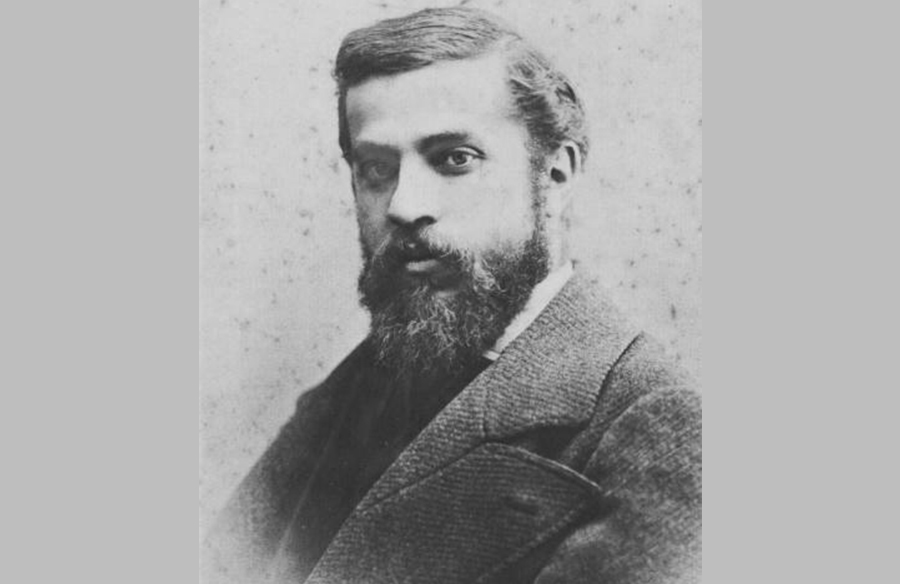
Antoni Gaudí, a pioneering figure in architecture, revolutionized the art world with his distinctive designs that continue to captivate and inspire audiences globally. Born in 1852 in Reus, Catalonia, Gaudí’s unparalleled creativity and innovative approach have left an indelible mark on the architectural landscape.
Early Life and Influences
Gaudí’s upbringing in Catalonia, a region renowned for its unique culture and art, deeply influenced his artistic sensibilities. His studies at the School of Architecture in Barcelona laid the groundwork for his groundbreaking architectural career, instilling in him a profound respect for craftsmanship and traditional techniques.
Architectural Style and Philosophy
Gaudí’s architectural style, often associated with Modernisme (Catalan Art Nouveau), transcends conventional norms. His designs were characterized by organic forms, intricate details, and a symbiotic relationship with nature. Gaudí believed that architecture should harmonize with its surroundings, blending artistry with functionality.
Iconic Works
Sagrada Família (1882-ongoing)
The Sagrada Família, Gaudí’s magnum opus, stands as an enduring testament to his visionary genius. This awe-inspiring basilica in Barcelona showcases Gaudí’s innovative use of geometry, light, and symbolism, transforming it into a transcendent architectural masterpiece despite being unfinished at the time of his death.
Casa Batlló (1904-1906)
Casa Batlló, a residential building in Barcelona, exemplifies Gaudí’s imaginative flair and attention to detail. Its undulating façade, vibrant use of colors, and innovative use of materials reflect Gaudí’s commitment to blurring the lines between architecture and art.
Park Güell (1900-1914)
Park Güell, a public park in Barcelona, showcases Gaudí’s whimsical approach to design. The park’s playful elements, mosaic-decorated structures, and organic shapes seamlessly merge with the natural landscape, creating a surreal and enchanting environment.
Design Approach and Legacy
Antoni Gaudí’s design philosophy centered on integrating architecture with nature, infusing spirituality and functionality into his creations. His legacy extends beyond architectural innovation; it embodies a profound reverence for craftsmanship, creativity, and a holistic understanding of space.
Influence and Recognition
Gaudí’s revolutionary contributions earned him global acclaim and recognition. Posthumously, his work received UNESCO World Heritage status, solidifying his place among the most influential architects in history.
Impact on Contemporary Architecture
Gaudí’s avant-garde approach continues to inspire contemporary architects worldwide. His emphasis on organic forms, innovative structural techniques, and a deep connection to nature serves as a guiding beacon for architects striving to create emotionally resonant and visually stunning designs.