Addition of Supplementary Details – Ultimate Lumion rendering tips
Supplementary details serve as the essence of visual storytelling within architectural renderings. They encompass the intricate elements that breathe life into designs, adding depth, realism, and context. Within the realm of architectural visualization, leveraging supplementary details is instrumental in creating immersive and visually compelling scenes. Lumion, revered for its rendering capabilities, offers a rich array of tools to integrate supplementary details, enabling architects to craft captivating and realistic visual narratives. This article delves into the intricate process of utilizing supplementary details in Lumion for architectural renderings.
The Essence of Supplementary Details: Elevating Design Realism
-
Enriching Design Narratives
Supplementary details encompass a spectrum of elements, from furnishings and foliage to human-scale objects, contributing to the portrayal of realistic and functional spaces. Lumion’s vast asset library empowers architects to populate scenes with supplementary details that breathe life into designs, fostering a sense of place and narrative within renderings.
-
Enhancing Visual Interest
Incorporating supplementary details adds layers of visual interest within architectural scenes. Lumion’s diverse range of objects, textures, and assets aids architects in adding intricacies and nuances to renderings, capturing the viewer’s attention and fostering a deeper engagement with the design composition.
-
Contextualizing Architectural Context
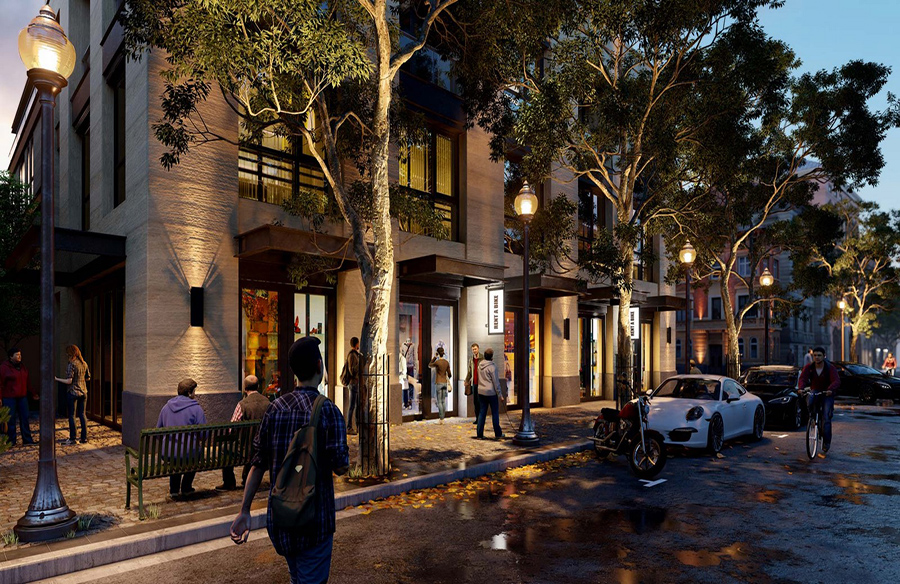
Supplementary details contextualize architectural designs within their surroundings. Lumion’s tools for integrating context-specific elements—such as landscaping, street furniture, or interior decor—enable architects to situate designs within realistic environments, enhancing the authenticity and relatability of renderings.
Techniques for Adding Supplementary Details in Lumion
-
Asset Selection and Placement
Lumion’s extensive asset library facilitates the selection and placement of supplementary details within scenes. Architects can choose from a diverse range of objects, vegetation, furniture, and people to populate renderings, ensuring the depiction of a lived-in, functional environment.
-
Detail Customization and Adaptation
Customization of supplementary details is pivotal in tailoring designs to specific contexts. Lumion’s editing capabilities allow architects to modify asset properties, textures, and sizes, ensuring seamless integration and alignment with the design vision and surrounding context.
-
Fostering Realistic Interactions
Supplementary details contribute to realistic interactions within architectural scenes. Lumion’s placement and movement controls for objects enable architects to simulate human activity, natural elements’ sway, or dynamic features, fostering a sense of vitality and realism within renderings.
Advanced Techniques for Optimal Supplementary Detail Integration
-
Dynamic Contextualization
Lumion’s real-time rendering capabilities aid in dynamically contextualizing supplementary details. Architects can assess how details interact with changing lighting conditions or environmental elements, ensuring consistency and realism within varied scenarios.
-
Material and Texture Realism
The authenticity of supplementary details relies on realistic material representation. Lumion’s material editor allows architects to fine-tune material properties, ensuring that textures interact convincingly with light, enhancing the realism and believability of added details.
-
Collaborative Detail Evaluation
In collaborative projects, Lumion’s collaborative features facilitate the evaluation of supplementary details. Stakeholders can provide feedback on the integration of details, ensuring alignment with design intent and refining the portrayal of scenes collectively.
The Evolving Role of Supplementary Details in Architectural Visualization
As architectural visualization progresses, the significance of supplementary details persists. The emphasis on immersive experiences, user engagement, and holistic design narratives underscores the importance of integrating details that enrich and contextualize architectural renderings.
Conclusion: Elevating Architectural Impact through Supplementary Detail Integration in Lumion
Mastery of integrating supplementary details within architectural renderings signifies the expertise of architects and designers. Lumion’s robust toolkit empowers professionals to transcend static renderings, infusing designs with immersive depth, contextual relevance, and captivating visual storytelling through the intricate incorporation of details.
The adept use of supplementary details isn’t merely about embellishing scenes; it’s about orchestrating experiences—immersing viewers in lived-in environments, evoking emotions, and fostering connections between designs and their observers.
Through Lumion’s capabilities to integrate supplementary details, architects breathe authenticity and vibrancy into their designs, creating environments that inspire, engage, and resonate deeply with those who interact with them.
The art of integrating supplementary details is a dynamic craft—a fusion of technical finesse and creative intuition. With Lumion as a tool, architects infuse their designs with details that transcend the ordinary, paving the way for immersive and emotionally engaging architectural experiences.