Great Public Spaces Don’t Happen by Accident
Have you ever visited two public squares that looked equally attractive but felt completely different?
One felt welcoming, easy to navigate, and comfortable. The other felt confusing, crowded, or even unsafe.
The difference often comes down to small urban design elements that most people barely notice.
Clear Boundaries Create Better Spaces
A good public space has to work for many people at once, whether they are walking, cycling or using public transport.
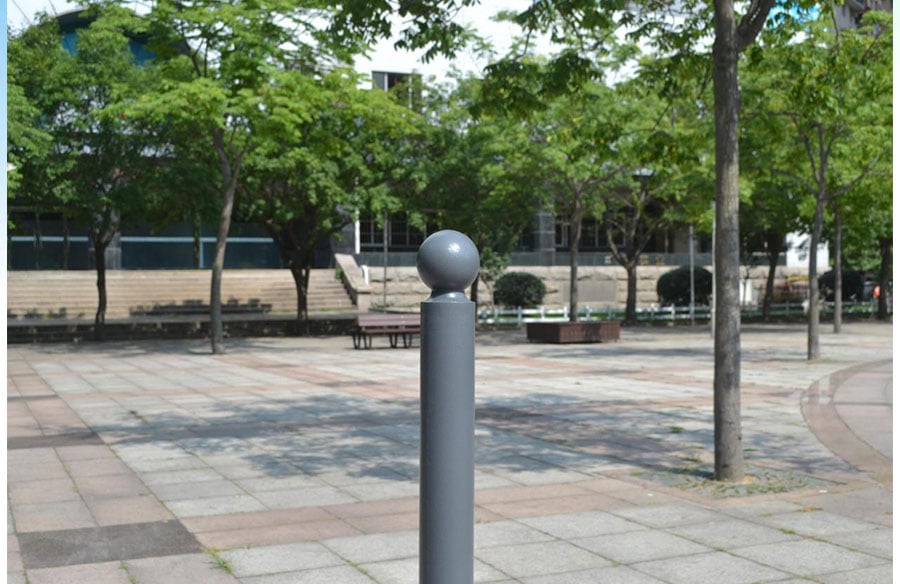
Bollards and Guardrails
Simple elements like bollards and guardrails do something important: they create order without turning public space into a fortress. These small elements help to:
- Define pedestrian only zones
- Prevent vehicle intrusion
- Guide movement naturally
- Reduce conflict between user groups
These products help guide people and vehicles in a simple, practical way, making public spaces easier to manage and safer to use.
Comfort Is What Makes People Stay
Safety is important, but comfort decides whether people want to spend time in a public space.
A space may be safe, but if there is nowhere to sit, nowhere to park a bike, poor lighting, or overflowing bins, people will not want to stay for long.
Benches and Public Bin
Benches give people a place to rest, especially in streets, parks, and busy pedestrian zones.
Public bins help keep the area clean and reduce litter. A cleaner space feels more welcoming and is easier to maintain. Together, they support everyday comfort by providing:
- A place to sit and rest
- Cleaner public areas
- Better convenience for visitors
- A more welcoming space for daily use
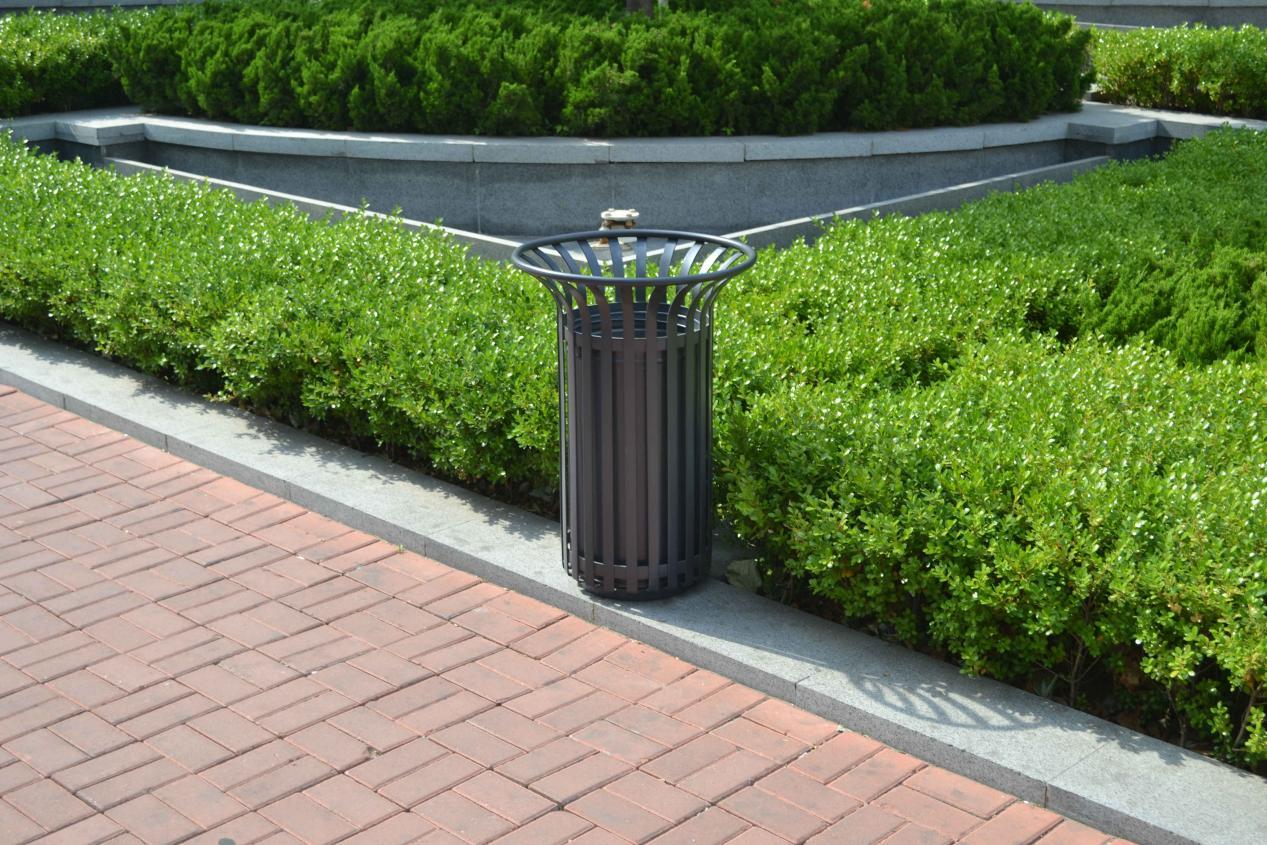 When a place is clean, comfortable, and easy to use, people are more likely to stay longer and return again.
The Hidden Infrastructure Behind Successful Cities
Cities like Copenhagen, Amsterdam, and Barcelona are often used as examples of good urban design.
But the success is not only architectural. It is also infrastructural.
The real foundation is a set of practical elements that help people move, stop, and use the space more easily.
This includes:
- Protective barriers
- Cycling infrastructure
- Emergency-friendly speed-calming features
- Lighting and visibility features
These elements are rarely the centre of attention, but they help decide whether a space feels coherent or chaotic.
Companies such as Sino Concept operate in this space, supplying practical urban infrastructure products like bollards, barriers and traffic calming solutions used across public environments.
Conclusion
Great public spaces are not the result of a single design gesture.
They emerge from layers of small, intentional decisions that shape movement, comfort, and behaviour.
Architecture sets the stage, but urban infrastructure helps define how the space is actually used. When those rules are clear but unobtrusive, public spaces feel safer, more connected, and more human.
When they are missing, everything else starts to fall apart quietly. People usually notice the feeling long before they understand the reason behind it.