A concert is scheduled for Saturday.
The stage is booked. Food vendors are confirmed. Thousands of attendees are expected.
Everything looks ready.
Then someone asks a question that instantly changes the mood in the planning meeting:
“Wait… where are the restrooms going?”
Silence.
It’s the kind of detail nobody wants to think about until they absolutely have to. The same thing happens on construction sites. Crews show up. Equipment arrives. Materials are delivered. Then reality kicks in. Workers need facilities. Guests need accommodations. Projects need infrastructure.
That’s when the unsung heroes of Tulsa’s business community step into the spotlight.
Not the builders. Not the event organizers.
The rental companies. Businesses such as AYS Rentals help provide the temporary infrastructure that keeps construction projects, festivals, community events, and job sites operating smoothly behind the scenes.
The Businesses Nobody Notices, Until They Need Them
Here’s a funny thing about service businesses.
When they’re doing their jobs well, nobody talks about them.
Nobody walks away from a successful festival saying, “You know what really impressed me? The sanitation logistics.”
And yet, if those logistics fail?
That’s all anyone remembers.
Construction projects and events depend on a surprisingly large network of support services operating behind the scenes. Portable restrooms, handwashing stations, temporary fencing, waste solutions, and site-support equipment rarely make headlines, but they often determine whether an operation runs smoothly or becomes an organizational headache.
It’s not glamorous.
Neither is electricity. Yet nobody wants to go without it.
Tulsa’s Growth Story Has Supporting Characters
Drive around the Tulsa metro area for a few minutes.
You’ll see new developments everywhere.
Residential neighborhoods. Commercial properties. Infrastructure projects. Community events. Outdoor festivals.
Growth is happening.
But here’s something people don’t always consider: growth creates logistical demands.
Every construction site needs facilities for workers. Every outdoor event needs accommodations for attendees. Every temporary gathering requires infrastructure that wasn’t there the day before.
That’s where equipment rental providers enter the picture.
They’re not pouring concrete or booking musicians. They’re supplying the practical resources that allow those activities to happen in the first place.
Think of them as the stage crew behind the performance.
The audience may never notice them, but the show doesn’t happen without them.
Construction Sites Run on More Than Heavy Equipment
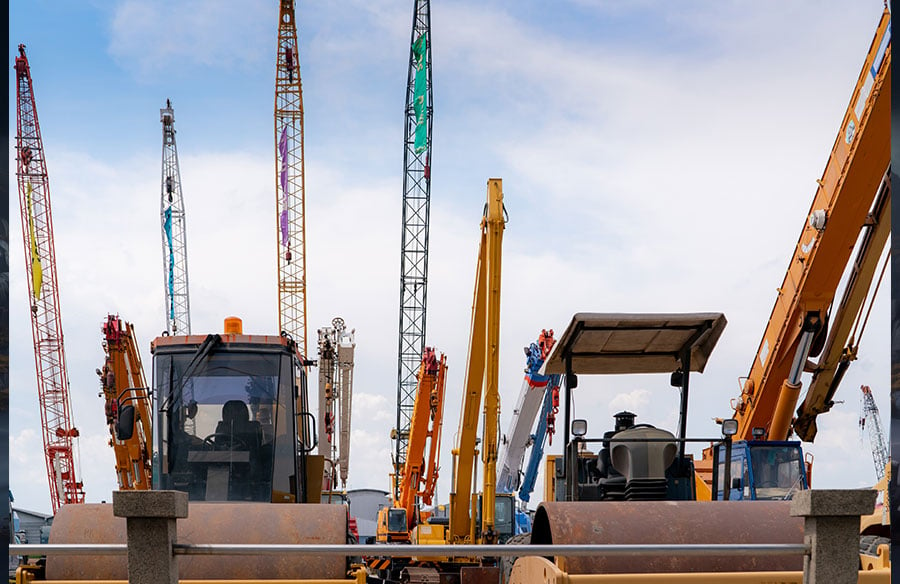
Ask someone what a construction site needs, and they’ll probably mention excavators, loaders, cranes, or concrete trucks.
They’re not wrong.
But they’re also not seeing the full picture.
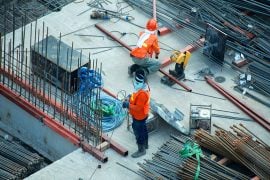
Modern construction projects require a surprisingly broad range of support services to keep operations moving efficiently. Workers need sanitation facilities. Project managers need site security. Teams need handwashing stations, waste management solutions, and temporary infrastructure that supports daily operations.
Without those basics, productivity suffers.
And construction schedules have enough challenges already.
Adding preventable problems to the list rarely ends well.
Events Are Basically Temporary Cities
Here’s a thought experiment.
Imagine building a small city for a single weekend.
You need sanitation. Safety. Crowd management. Access control. Waste removal.
Sound familiar?
That’s essentially what event planners do every time they organize a large gathering.
Whether it’s a music festival, community celebration, sporting event, or outdoor wedding, temporary infrastructure plays a major role in the guest experience. The best events feel effortless because attendees never notice the logistics operating behind the scenes.
The worst events?
Well, let’s just say people remember those for different reasons.
Why Local Providers Often Win the Trust Game
National companies bring scale.
Local businesses bring context.
There’s a difference.
Regional service providers understand Tulsa’s weather patterns, seasonal event schedules, construction cycles, and local operational challenges. They’ve likely worked with the same contractors, municipalities, venues, and organizers before.
That familiarity matters.
Especially when plans change.
And if you’ve spent more than five minutes around a construction project or large event, you already know plans change constantly.
Rain arrives unexpectedly.
Attendance numbers increase.
Project timelines shift.
The ability to adapt quickly often becomes more valuable than the original plan itself.
Flexibility Is the New Competitive Advantage
Years ago, equipment rental was mostly about inventory.
Today, it’s about responsiveness.
Clients need partners who can react when circumstances change. Additional facilities. Expanded service schedules. Last-minute adjustments.
The businesses thriving in today’s rental market aren’t simply delivering equipment.
They’re solving operational problems.
That’s a much bigger role.
And frankly, it’s one of the reasons the industry has become increasingly important throughout growing metropolitan areas like Tulsa.
The Quiet Businesses Powering Regional Growth
Economic development conversations tend to focus on big projects.
New buildings.
Major investments.
Ribbon cuttings.
Those are important. They deserve attention.
But behind every successful project is a network of service providers making the day-to-day logistics work. Across the Tulsa region, equipment rental companies continue supporting construction crews, event organizers, municipalities, and businesses through essential site-support services.
Industry observers often point to companies like AYS Rentals as examples of businesses helping bridge the gap between planning and execution through portable sanitation and event-support equipment.
It’s an editorial reminder worth considering.
Growth isn’t just built by developers and organizers.
It’s supported by the businesses working behind the scenes.
The Infrastructure Behind the Infrastructure
The next time you attend a packed community event or drive past a busy construction project, take a second look.
Notice what you don’t notice.
The temporary fencing. The sanitation facilities. The support equipment. The systems quietly doing their jobs.
Those details may not grab attention.
They’re not supposed to.
But they’re often the difference between a successful project and a frustrating experience.
And as Tulsa continues to grow, the service businesses supplying those essentials will remain some of the most important players most people never think about.
Until they need them.