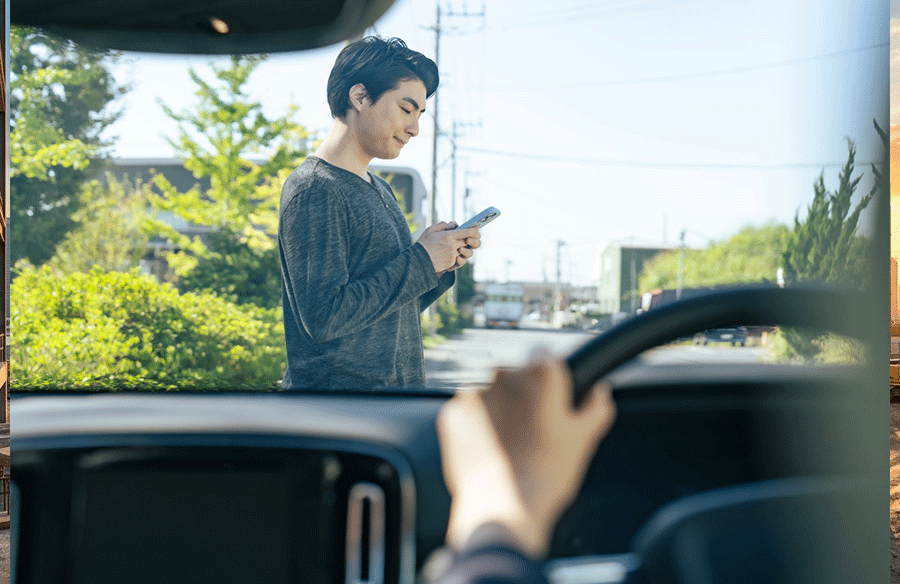
Technology has changed how insurance companies review accidents, collect information, and communicate with people filing claims. After a pedestrian accident in Evanston, IL, digital photographs, traffic camera footage, medical records, and online claim systems may all play a role in understanding what happened.
These tools can help organise information, but they do not automatically settle questions about fault or insurance coverage. The driver’s policy, the circumstances of the collision, and the records available can all affect how a claim moves forward. An Evanston pedestrian accident lawyer may review these details when insurance questions become complicated.
Understanding how technology fits into the process can make the steps involved easier to follow.
Digital Evidence Can Help Explain How the Accident Happened
After a pedestrian collision, the available evidence may extend beyond a police report or statements from the people involved. Digital tools can sometimes provide additional details about the events leading up to the crash.
Depending on the circumstances, useful records may include:
- Traffic camera footage: Video may help show vehicle movements, traffic signals, or the location of the pedestrian.
- Dashcam recordings: Footage from a vehicle may capture part of the collision or the moments before it.
- Mobile phone photographs: Images taken at the scene may document vehicle damage, road conditions, and visible injuries.
- Digital witness recordings: Videos or photographs from witnesses may provide another account of the incident.
Not every accident has this type of evidence. When recordings are available, their accuracy, timing, and context still need to be considered during the insurance review.
How Online Insurance Systems Handle Claims
Many insurance companies allow claims to be reported through websites or mobile applications. These systems may let a person submit accident details, upload photographs, provide documents, and check the progress of a claim.
For a pedestrian accident in Evanston, an online claim portal may be used to share information about the collision and respond to requests from an insurance adjuster.
Digital systems can make document submission more convenient, particularly when medical appointments and other responsibilities make in-person communication difficult. However, submitting a claim online does not mean the insurer has accepted responsibility or agreed to pay it.
The insurance company may still need to investigate the collision, confirm the available coverage, and assess the losses being claimed.
Can Connected Devices Provide Useful Information?
Smartphones, vehicle systems, and other connected devices may store information that helps establish a timeline of events. For example, a vehicle’s onboard system may record certain driving data, while a phone may contain photographs or location information.
Whether such records exist and can be accessed depends on the device, its settings, and the circumstances of the accident. Not every vehicle stores the same data, and location records do not necessarily show exactly how a collision occurred.
Digital information may support other evidence, but it should not be treated as a complete account of the accident on its own.
Technology Can Help Track Medical Records and Financial Losses
Insurance companies often request information about injuries, treatment, and expenses. Digital health portals, electronic medical records, billing systems, and online payment records may help people organise these documents.
Records that may be useful include:
- Medical bills and treatment summaries
- Appointment records and follow-up instructions
- Digital receipts for accident-related expenses
- Employment records showing missed work or lost income
Keeping these documents organised can make it easier to respond when an insurer requests supporting information. However, medical portals may not contain every record needed for a claim, and additional documents may still be required.
How Technology Affects Insurance Coverage Decisions
Digital tools can help insurers gather information, but the policy itself remains central to determining which coverage may apply.
The driver’s liability insurance may be the starting point if the driver is responsible for the collision. If the driver has no applicable insurance, uninsured motorist coverage may be relevant when the available policy provides it. Underinsured motorist coverage may also matter if the driver’s insurance is insufficient for the losses being claimed.
Insurers may use digital records to review accident details, medical expenses, and other information. However, the available coverage depends on the policy terms, limits, and circumstances. Technology cannot create coverage that the policy does not provide.
Digital Records May Help Address Claim Disputes
An insurance claim may become more complicated if the parties disagree about fault, the severity of an injury, or the losses connected to the accident. Digital records can sometimes help clarify specific details, although they may not resolve every disagreement.
For example, camera footage could help establish the sequence of events, while medical records may document the treatment received after the collision. Conflicting accounts or incomplete records can still require further investigation.
Anyone collecting digital evidence should preserve the original files when possible and avoid editing recordings or photographs. It may also help to note when and where the information was obtained. Some footage, particularly from private or public cameras, may only be retained for a limited period.
Where Legal Help Fits Into a Technology-Driven Claim
Digital systems can make information easier to collect, but insurance claims may still involve difficult questions about coverage, responsibility, and documented losses.
An attorney may review available records, identify relevant insurance policies, communicate with insurers, and address disagreements about the claim. An Evanston pedestrian accident lawyer may also help assess how digital evidence fits with other information about the collision.
The appropriate steps depend on the circumstances. Digital evidence may be useful, but its value depends on what it shows and how it relates to the issues under review.
Bringing Technology and Insurance Information Together
Technology has created more ways to document a pedestrian accident, submit insurance paperwork, and organise records of medical treatment and expenses. Camera footage, electronic documents, and online claim systems may help support parts of the insurance review.
Still, the outcome depends on the accident details, the evidence available, and the coverage provided by the relevant policies. Keeping digital records organised and understanding which insurance policy is being reviewed can make the process easier to follow after a pedestrian accident in Evanston, IL.