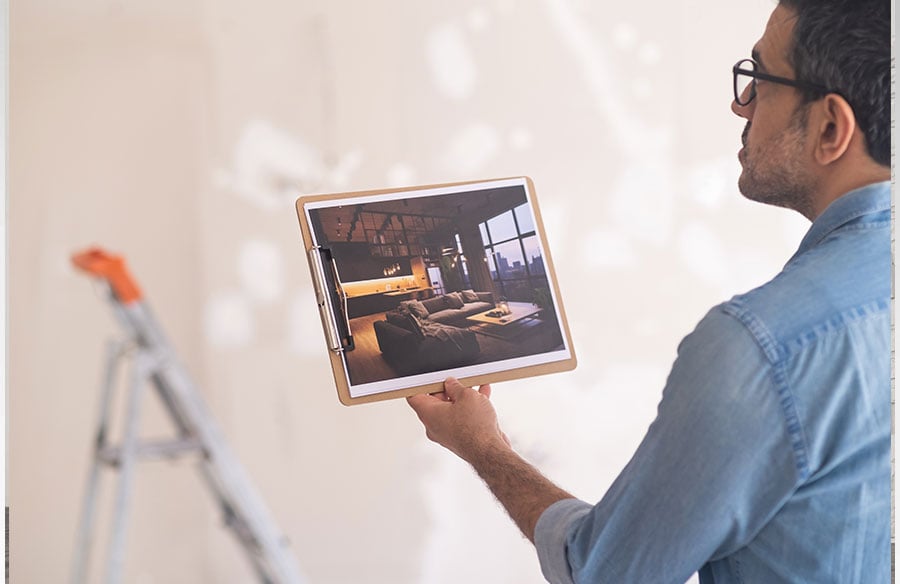
The Evolution of Home Renovation: Moving Beyond Static Inspiration
For years, people found ideas for home design from online photo collections and digital mood boards. But homeowners often face something called the inspiration trap. They try to copy rooms from magazines, but their space may be a different size, have lower ceilings, or feel different because of the way it is built. A picture of another person’s home does not show you how furniture, lights, or paint will look in your own place.
Artificial intelligence helps move the work from simple ideas to hands-on planning of spaces. New platforms can use real photos of the room, showing things like where windows, doors, and floors are. These systems put stylish looks right onto those spaces. By using platforms like DecorAI, you can quickly turn your design ideas into plans that will fit your rooms without paying for high-cost designers.
Comparing Design Workflows: Traditional vs. AI-Powered
| Design Metric | Traditional Interior Design | Manual Inspiration Boards | AI Room Visualizers |
| Turnaround Time | 2 to 4 Weeks | Days of manual searching | Under 10 Seconds |
| Average Cost | $2,000+ per room | Free (time-intensive) | Free to low-cost subscription |
| Spatial Fitting | Manual physical drafting | Generic stock photos | Exact room dimensions & layout |
| Style Exploration | Limited by designer portfolio | Endless unorganized pins | 60+ instantly applied styles |
| Output Type | Blueprints & 3D renders | Conceptual moodboard | Photorealistic before/after render |
Core Features and Benefits of Modern AI Design Platforms
Modern design platforms use smart generative models. These models are trained on many styles of home beauty. They help you change your space from beginning to end. The process is fast, and the look of your space is real.
- Get Photorealistic Renders Right Away: You no longer need to wait weeks using normal 3D tools. Now, these visualizers make lifelike images in just seconds. The pictures show real-looking light, shadows, surface feel, and finishes, so they look just like real photos.
- Switch Between Many Styles: You can use the visualizer to pick from lots of design styles. This includes Minimalist, Scandinavian, Industrial, Bohemian, and Modern Luxury.
- Smart Moodboard Matches: Users can put their own photos and product pictures together into a private moodboard. The tool looks at the colors in these images to pick out five main colors and make a style brief. It uses this look on the room you upload.
Who Benefits from AI Interior Design Technology?
- Homeowners and DIY Enthusiasts: Stop spending extra money on the wrong stuff by checking paint samples, floor choices, and furniture setups on a screen before buying anything.
- Real Estate Professionals: Show empty or old homes in a new way on a computer, so buyers can see what the home could look like. This helps sell homes faster.
- Contractors and Remodelers: Get jobs closed quicker by showing clients lifelike pictures of kitchen, bathroom, and living room plans early in the talks.
- Architects and Interior Designers: Speed up idea planning by quickly giving clients several design choices. This lets everyone agree before starting to work on detailed plans.
Frequently Asked Questions (FAQ)
Q1: How good are artificial intelligence room design tools?
A: These tools keep the shape of your room. They keep the wall size, doors, and where your windows are. They change things like wall surfaces, furniture, and lighting to make sure the look is true to real life.
Q2: Are specialized technical skills required to use room visualizers?
A: No. You just upload a photo of the room from the camera. Pick the style you want for the look or feel. Then, the system will remake the space for you on its own.
Q3: Can design visualizers help with outdoor areas and landscaping?
A: Yes. Top visualizers do more than show inside rooms. They also help with outdoor home updates, patio plans, gardens, and outdoor landscaping.
Conclusion
To sum up, using a full solution like DecorAI can change the whole home update process. It takes away the need to guess about how things will look and instead gives you clear design plans. This helps homeowners and workers save a lot of money and speed up the job.