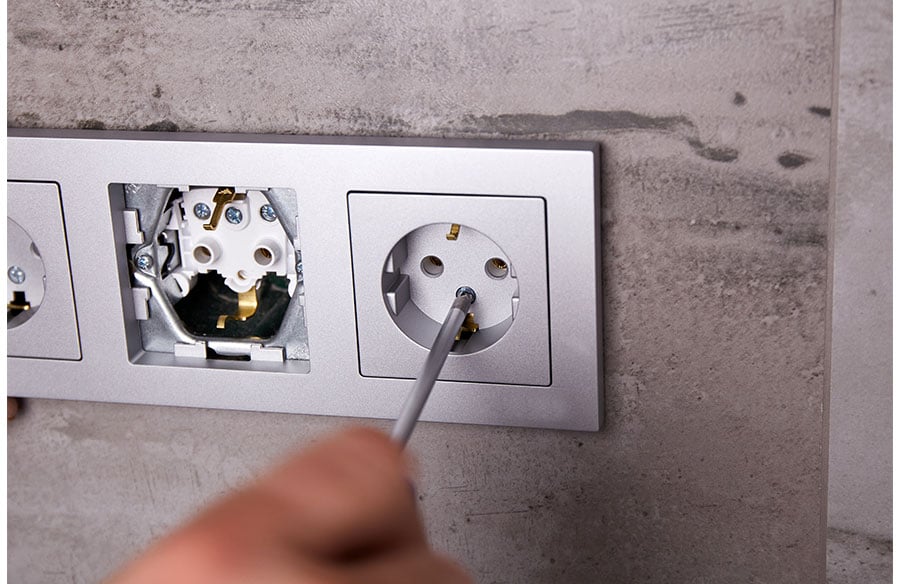
An electrical outlet that suddenly stops working can disrupt everyday activities, especially when it supplies power to essential appliances, electronics, or equipment. While a dead outlet may seem like a minor inconvenience, it can sometimes indicate a problem with the electrical circuit, wiring, or protective devices.
Professional Dead Outlet Repair helps identify the actual cause of the problem and restore reliable power safely. Whether one outlet has stopped working or several outlets in the same area have lost power, understanding the possible causes can help you recognize when professional electrical service is needed.
What Causes an Electrical Outlet to Stop Working?
A dead outlet does not necessarily mean the receptacle itself is defective. Several electrical issues can interrupt power, and the correct repair depends on identifying where the problem originates.
Tripped Circuit Breaker
A circuit breaker may trip when a circuit experiences an overload, short circuit, or electrical fault. When this happens, the breaker interrupts power to protect the electrical system. Depending on the circuit layout, one or several outlets may stop working.
If a breaker trips repeatedly, it should not be reset over and over. The underlying electrical problem needs to be investigated by a qualified electrician.
Tripped GFCI Outlet
Ground Fault Circuit Interrupter (GFCI) outlets are designed to reduce the risk of electrical shock by interrupting power when they detect certain electrical imbalances. They are commonly installed in kitchens, bathrooms, garages, laundry areas, and outdoor locations.
A tripped GFCI outlet can also interrupt power to other outlets connected downstream. This means an outlet without a reset button may stop working because a GFCI receptacle elsewhere has tripped.
Loose or Damaged Wiring
Electrical connections can become loose or deteriorate over time. A damaged connection may interrupt the flow of electricity to an outlet or affect other receptacles on the same circuit.
Loose wiring should never be ignored. It can create heat, arcing, and potential fire hazards. A qualified electrician can inspect the circuit and determine whether connections or wiring need repair.
Faulty or Worn-Out Receptacle
Electrical outlets experience regular use, and their internal components can wear out or become damaged. A receptacle may stop supplying power because of failed internal contacts, physical damage, or deteriorated connections.
Replacing the outlet may resolve the issue if the receptacle itself is defective. However, the surrounding wiring and circuit should also be checked to rule out other problems.
Wall Switch or Circuit Control
Some outlets are connected to wall switches, allowing occupants to control lamps or other devices through a switch. If the switch is turned off, the outlet may appear to have lost power.
Checking whether a nearby switch controls the outlet can help identify this possibility before assuming that electrical repairs are necessary.
Warning Signs That an Outlet Needs Repair
A dead outlet is not the only indication of an electrical problem. Other symptoms may suggest that a receptacle or its connected circuit needs professional attention.
Watch for these warning signs:
- Intermittent power: An outlet works sometimes but stops supplying electricity unexpectedly.
- Burning smell: An unusual odor near an outlet may indicate overheating electrical components.
- Discoloration or scorch marks: Dark marks or melted plastic can signal excessive heat or electrical damage.
- Unusual sounds: Buzzing, crackling, or repeated sparking should be treated seriously.
- Loose receptacle: A plug does not fit securely or the outlet moves when a plug is inserted.
- Repeated breaker trips: A breaker that continues to trip may indicate an unresolved circuit problem.
If an outlet is hot, sparking, buzzing, discolored, or smells burned, stop using it and arrange prompt professional inspection. If there is smoke or an active fire, move away and contact emergency services.
The Professional Dead Outlet Repair Process
Effective repair starts with identifying why the outlet stopped working. Replacing a receptacle without diagnosing the underlying issue may leave the original problem unresolved.
1. Initial Electrical Assessment
An electrician begins by reviewing the symptoms and identifying which outlets or electrical devices have lost power. They may ask when the problem started, whether several outlets are affected, and whether the circuit breaker has tripped.
This initial assessment helps narrow down the possible causes.
2. Inspecting the Electrical Circuit
The electrician evaluates the relevant circuit, protective devices, receptacle condition, and accessible wiring. Appropriate electrical testing helps determine whether the interruption originates at the outlet, an upstream connection, a breaker, or another component.
3. Identifying the Fault
Once the problem has been located, the electrician determines what repair is necessary. This may involve a defective receptacle, damaged wiring, a faulty protective device, or a connection elsewhere in the circuit.
Accurate diagnosis helps prevent unnecessary replacements and repeated service problems.
4. Completing the Necessary Repairs
Depending on the findings, the repair may involve replacing a damaged outlet, correcting a wiring connection, repairing a circuit, or replacing a defective electrical component. Electrical work should be completed with the appropriate power isolation, tools, and safety procedures.
5. Testing the Repaired Outlet
After completing the repair, the electrician tests the outlet and relevant circuit to confirm that power has been restored and the electrical connections are operating correctly.
Testing helps verify that the repair addresses the identified fault rather than simply restoring power temporarily.
Why Professional Dead Outlet Repair Matters
Attempting to repair electrical outlets without the necessary training can expose people to electric shock, burns, and other serious hazards. It can also result in incorrect wiring, damaged components, or electrical problems that remain hidden behind the outlet.
Professional service offers several important benefits:
- Accurate troubleshooting: An electrician can identify the actual cause instead of assuming the receptacle is defective.
- Electrical safety: Proper procedures help reduce the risks associated with exposed wiring and faulty connections.
- Reliable repairs: Addressing the underlying problem can help prevent recurring power interruptions.
- Component compatibility: Replacement outlets and electrical components can be selected to match the existing system and its requirements.
- Circuit evaluation: If several outlets are affected, an electrician can investigate whether the problem extends beyond one receptacle.
Professional diagnosis is particularly important when an outlet has visible damage, shows signs of overheating, or repeatedly loses power.
How to Reduce Future Outlet Problems
Although electrical components naturally experience wear, regular attention to electrical safety can help reduce avoidable problems.
Avoid connecting too many high-power appliances to one outlet or circuit. Overloading can cause overheating and may trip circuit protection. Replace damaged plugs and cords instead of continuing to use them, and keep electrical outlets away from water exposure.
Pay attention to unusual smells, sounds, warmth, or discoloration around receptacles. These symptoms should be evaluated rather than ignored.
It is also helpful to arrange electrical inspections when renovating a property, adding major appliances, or experiencing repeated circuit problems. An electrician can assess whether the existing electrical system is suitable for its current demands.
When Should You Call an Electrician?
You should arrange professional service when an outlet remains without power after basic external checks, such as confirming that the connected appliance works, checking accessible switches, or identifying a tripped protective device.
Avoid removing outlet covers, handling exposed wiring, or attempting internal electrical testing yourself. If a breaker or GFCI trips again after being reset, stop trying to restore power and have the issue inspected.
A qualified electrician can determine whether the problem requires a simple receptacle replacement or a more extensive electrical repair.
Restore Reliable Power With Professional Outlet Repair
A dead electrical outlet can result from several issues, ranging from a tripped protective device to damaged wiring or a failed receptacle. Identifying the correct cause is essential for restoring dependable power and maintaining electrical safety.
Professional Dead Outlet Repair provides a practical solution for diagnosing faulty outlets, correcting electrical problems, and checking that the affected circuit operates properly. Homeowners seeking Professional Dead Electrical Outlet Repair Services can benefit from qualified troubleshooting and repairs that address the underlying issue. Whether you are dealing with one unresponsive receptacle or multiple outlets that have stopped working, professional electrical service can help restore functionality while addressing potential safety concerns.