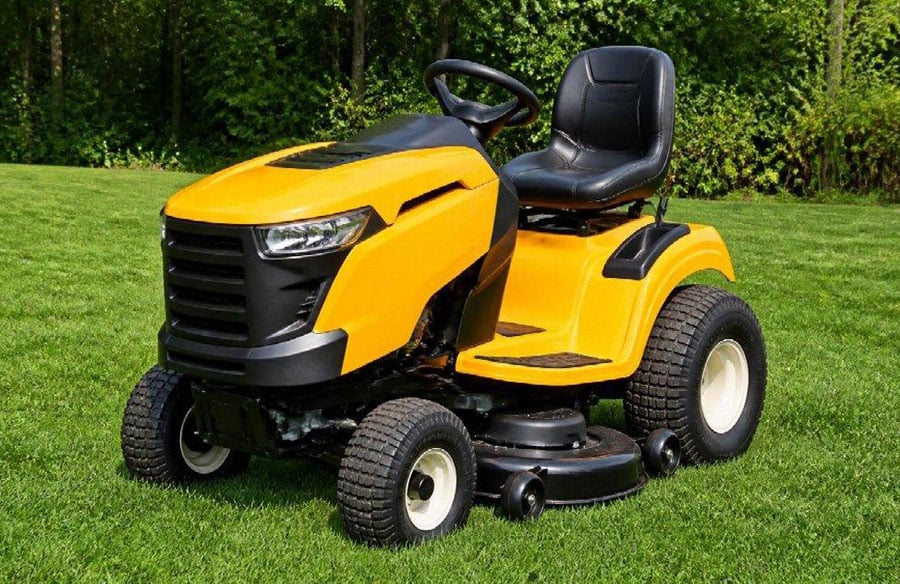
A Cub Cadet XT2 LX42 that won’t start after sitting all winter is almost always a battery, fuel, or safety-switch issue. You might get a click, slow cranking, or complete silence when you turn the key. Run through the easy stuff first, then move down the starting system step by step.
Why Does a Long Sit Cause Problems?
Storage brings out a few usual suspects:
- Battery loses charge or sulfates up.
- Old fuel loses its edge and leaves deposits.
- Moisture corrodes terminals and wiring connections.
- Fuel filter or carburetor gets plugged.
- Safety switch sticks or drifts out of adjustment.
- Mice chew wires under the hood or around the seat.
A mower left in a cold shed from November to March can look fine. But that first key turn might give you nothing but a click, or the engine cranks without ever firing.
The design of utility spaces, even for equipment storage, plays a crucial role in preventing such issues. Proper ventilation, insulation, and pest control measures in sheds or garages can significantly extend the lifespan and readiness of stored items, reflecting a thoughtful approach to functional architecture.
What’s the Mower Doing When You Turn the Key?
The noise, or silence, tells you where to look.
If the dash is dead and it doesn’t click, check:
- Battery terminals
- Ground cable
- Fuse
- Ignition switch
- Safety interlocks
Double-check that the PTO is off, the brake pedal is fully pressed, and the transmission is in neutral or park.
One Click or Fast Clicking
One click usually means the starter solenoid has power, but the battery can’t deliver enough amps. Rapid clicking is classic for a weak battery, loose cable, or bad ground.
Clean the battery posts and cable ends with a brush. Tighten everything. Then check the ground cable where it bolts to the frame or engine, since paint or rust there can kill the ground path.
Cranks but Won’t Fire
If it cranks, the cranking system is fine. Now you’re chasing fuel, spark, and air. Old gas, a fuel shutoff left closed, a dirty air filter, or a bad ignition part can all stop it from firing.
Testing the Battery and Starter Circuit
A good lawn tractor battery should read around 12.6 volts after resting. Anything lower means it needs a charge or a load test. Use a smart charger that’s right for the battery, and follow the charger’s directions.
Watch voltage while cranking. If it drops hard and the engine turns slow, the battery is weak even if it looked okay at rest. A battery that keeps dying after a full charge may have internal issues or a parasitic drain.
If the battery is strong but the motor won’t move, test cable voltage drop and the starter control circuit. Don’t bypass safety switches permanently; they’re there for a reason.
Just remember, the starter solenoid and the fuel shutoff solenoid valve are different parts. The starter solenoid sends juice to the starter motor. The fuel solenoid controls fuel at the carburetor on some Kohler 7000 Series engines. Testing the wrong one wastes your time.
Checking Fuel After Storage
Don’t trust old gas just because it looks clear. It can go bad over months, especially if the tank was partly full and went through temperature changes.
- Close the fuel shutoff if you have one.
- Drain old fuel into a proper container.
- Check the tank for water, dirt, or dark gunk.
- Replace the fuel filter if it’s clogged.
- Verify fuel is getting to the carburetor.
- Put in fresh fuel that meets engine specs.
Never pour gas on the ground. Work outside or in a ventilated area, away from heat and sparks.
If fuel reaches the carburetor but it still won’t fire, pull the spark plug and check ignition. A wet, fouled, or cracked plug needs replacing. Set the gap to engine specs.
Other Things to Inspect
A mower that sat around might have a plugged air filter or mouse-damaged wires. Take off the air filter cover and look for dirt, nests, or chewed insulation. Check wiring around the battery, the component, coil, seat switch, and PTO switch.
These issues mirror challenges in building maintenance, where integrated systems like HVAC and electrical wiring require regular inspection. Architects and designers increasingly consider not just the aesthetics but also the long-term resilience of materials and the integration of pest-resistant solutions to ensure structural integrity and operational efficiency.
If it cranks but won’t start, you may need to verify compression and check the flywheel key. Those might require special tools or a service shop.
Bottom Line
For a Cub Cadet XT2 LX42 that won’t start after sitting, start with the battery and cables. Then hit the safety circuit, fuel, filter, plug, and wiring. A click isn’t always a bad starting component, and a charged-looking battery doesn’t always mean it has the guts to crank.
Take it one system at a time. That gets you to the real issue faster and cheaper than throwing parts at it.