The restaurant industry is entering a new era of financial pressure. Rising food costs, labor shortages, inflation, and increasing overhead expenses are forcing operators to rethink how they invest in their businesses. As concerns about restaurant closures continue to grow heading into 2026, owners must focus on upgrades that deliver measurable returns rather than costly renovations with uncertain outcomes.
A useful framework is the classic 30/30/30/10 rule: approximately 30% of revenue goes toward food costs, 30% toward labor, 30% toward overhead, and 10% toward profit. The challenge for restaurant owners is finding ways to reduce expenses, improve efficiency, and maximize revenue without dramatically increasing operating costs.
The most effective approach is an “Inside-Out ROI Strategy”—combining customer-facing improvements that enhance the dining experience with practical exterior storage solutions that reclaim valuable indoor space.
Front-of-House Investments: Improving Aesthetics to Attract More Customers
Many owners ask a simple question: What can restaurants do to attract more customers?
To attract more customers and increase foot traffic, restaurants should implement the following strategies:
- Upgrade restaurant lighting to create a welcoming atmosphere.
- Modernize seating layouts to increase comfort and capacity.
- Improve acoustics with quality sound systems and noise management.
- Create community-focused spaces for events and gatherings.
- Refresh décor to strengthen brand identity.
- Enhance digital ordering and reservation experiences.
Among these investments, lighting remains one of the highest-return upgrades available. Strategic illumination helps highlight menu items, create mood, and reinforce a premium dining experience. Guests tend to stay longer in comfortable environments, increasing average ticket values and encouraging repeat visits.
Seating layouts also deserve attention. Many restaurants operate with inefficient floor plans that limit revenue potential. By reconfiguring tables and traffic flow, operators can often increase seating capacity by 10% to 20% without expanding their footprint. Combined with improved acoustics and thoughtful design, these upgrades help transform a restaurant into a destination rather than simply a place to eat.
Back-of-House Efficiency: Reclaiming High-Revenue Floor Space
While front-of-house improvements attract guests, back-of-house efficiency directly impacts profitability.
Expanding a restaurant through construction is expensive and often unrealistic. Instead, smart operators focus on reclaiming existing square footage. One of the most overlooked opportunities involves relocating non-essential items from valuable indoor space to secure outdoor storage.
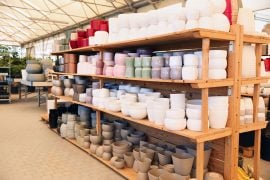
This is where large plastic storage sheds become a powerful investment. Seasonal decorations, extra chairs, patio furniture, marketing displays, and rarely used equipment often occupy storage rooms that could otherwise support revenue-generating functions.
Modern plastic storage sheds provide weather-resistant protection while freeing up interior space. Whether operators choose compact plastic sheds or a larger storage shed, the goal remains the same: create more usable indoor square footage for customers and staff.
A dedicated plastic shed storage solution can also improve organization. Instead of cluttering hallways, kitchens, or prep areas, equipment can be stored safely outside and accessed when needed.
Technology & Hardware Upgrades That Directly Generate Revenue
Beyond aesthetics and storage, technology investments can significantly increase restaurant revenue.
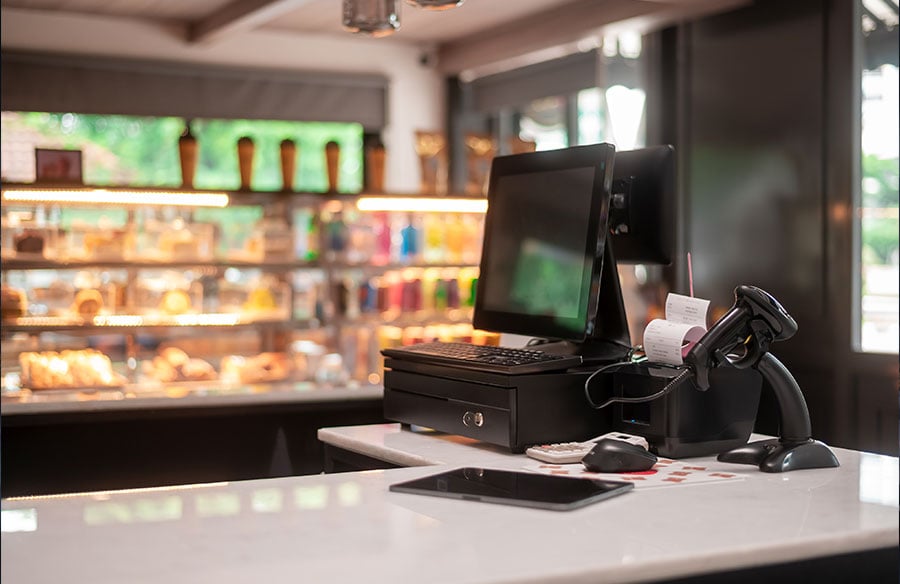
Modern point-of-sale (POS) systems streamline operations by reducing order errors, speeding transactions, and improving inventory management. They also enable online ordering, curbside pickup, and delivery integrations, creating additional sales channels.
Kitchen Display Systems (KDS) provide another high-impact upgrade. By replacing paper tickets with digital workflows, restaurants can improve communication between front-of-house and kitchen teams, reduce mistakes, and accelerate service times.
Faster service translates directly into improved table turnover. Serving more guests during peak hours increases revenue without increasing rent or staffing costs.
The most successful operators understand that profitability comes from combining multiple improvements. Efficient technology reduces operational friction. Organized outdoor storage frees valuable indoor square footage. Enhanced aesthetics create memorable guest experiences. Together, these investments produce a stronger return than any single upgrade alone.
Restaurant profitability in 2026 and beyond will depend on strategic investment decisions rather than large-scale spending. Owners who focus exclusively on expensive renovations may overlook simpler opportunities that deliver faster returns.
The most effective strategy combines customer-facing improvements with practical operational upgrades. Attractive dining environments encourage repeat visits, while efficient storage and technology systems improve productivity and maximize available space.
To maintain healthy cash flow, consider implementing improvements in phases. Start by evaluating your current floor plan, identifying underutilized areas, and determining which items can be relocated to outdoor storage. Then assess lighting, seating, and technology upgrades that can enhance the customer experience.
By balancing beauty with functionality, restaurant owners can create a more attractive business, serve more customers, and ultimately improve their bottom line.