Composite lumber deck is a common alternative for upgrading modern outdoor areas; well-designed decks may add value to a house and substantially increase the quality of outdoor living. But there’s no denying that composite decking costs more. Many people want to ask, why is composite decking so costly?
More and more people are opting for composite material as a fantastic substitute for traditional wood, and it is becoming a mainstream choice. It offers great durability and little maintenance, saving households more energy and time. In this essay, we will cover the reasons why composite materials are more expensive. With this data, you will have an in-depth knowledge of why composite decking is so pricey.
1. Cost of composite decking
The cost of composite deck boards depends on the brand of deck, the quality of the deck, and the region where it is acquired. The cost of composite decking runs from $16 to $32 per square foot to purchase. The labor cost to install the deck is between $24 and $48 per square foot. So, when you factor in the installation cost, the initial cost for composite decks is $40 to $80 per square foot.
| Deck size (feet) | Square feet | Average cost installed* |
| 8’x10′ | 80 | $3,200 – $6,400 |
| 10’x10′ | 100 | $4,000 – $8,000 |
| 10’x12′ | 120 | $4,800 – $9,600 |
| 12’x12′ | 144 | $5,750 – $11,500 |
| 12’x14′ | 168 | $6,700 – $13,450 |
| 12’x16′ | 192 | $7,680 – $15,350 |
| 12’x18′ | 216 | $8,650 – $17,280 |
| 12’x20′ | 240 | $9,600 – $19,200 |
| 14’x20′ | 280 | $11,200 – $22,400 |
| 16’x16′ | 256 | $10,250 – $20,480 |
| 20’x20′ | 400 | $16,000 – $32,000 |
| 20’x24′ | 480 | $19,200 – $38,400 |
| 24’x24′ | 576 | $23,000 – $46,000 |
Note: Add 10-20% for premium features or urban areas.
2. Why Is Composite Decking More Expensive?
Composite decking has the benefit of less maintenance and a longer lifespan, but the initial cost is higher. Composite decking is generally more cost-effective in the long run. Here’s a detailed look at the reasons behind its price.
Long-Term Investment
Composite decking is an investment in longevity. Unlike wood, composites are resistant to mold, rot, cracking, insects, moisture, and UV damage, and don’t need to be re-stained or re-sealed annually. They last 25-50 years with minimal maintenance, saving money in the long run. For instance, a wood deck can cost $500-$1,000 a year to maintain, while composites merely require periodic cleaning. A well-maintained composite deck can also add 5-10% to the market value of a home.
Manufacturing Process and Materials
Composite decking is created by combining recycled wood fibers with plastics such as high-density polyethylene (HDPE) or polypropylene (PP). Additives like UV inhibitors, antimicrobials, and colorants boost longevity and aesthetics, but at a premium. Supply chain difficulties pushed up recycled plastic prices by 10-15% in 2025, which immediately affected decking pricing. Sustainable sourcing is used by brands such as Trex and EVODEK, which increases costs but enhances eco-friendliness.
Quality and Performance Features
Composite deck cost might vary based on the quality and performance of the product. Often, high-quality composite decking will include protective coatings or capping that can increase longevity. Some decks are more expensive due to these premium characteristics.
Established composite decking businesses invest consistently in research and development to improve the performance of their products. They do a lot of testing to make sure their decks perform better and have different looks. Premium choices like AZEK or Fiberon will run $7-$13 per square foot for materials only.
Durability and Low Maintenance
One of the biggest advantages of composite decking is its low maintenance and longevity. Composite deck boards are resistant to rotting, cracking, and warping like traditional wood decking. It also fights against insects, dampness, and UV radiation.
Composite decking costs more since it lasts longer without the need for tiresome sealing, maintenance, and repairs.
Market Demand and Branding
The market demand for decking and brand awareness also dictates the pricing of the product. With the development and advancement of technology, more and more homeowners are coming to realise the benefits and advantages of composite materials. Hence, the demand for composite decking has started to increase, which has led to a rise in product costs.
The competitive cost of composite decking in the market is affected by branding, warranty, and after-sales services. Some brands may command a larger premium because of their popularity. Some developing composite decking manufacturers may be more reasonable in price to attract a larger client base.
Customization Options
You can pick from an abundance of designs and finishes to create and personalize composite deck boards, in contrast to wood decks. It allows for the construction of bespoke designs that look like valuable timbers and avoids the environmental difficulties of lumber. Because of the variety of textures and colors, more raw materials and craftsmanship are needed to manufacture. That’s why composite decking is so pricey.
Installation Costs
Composite decking, as we indicated before, costs more to buy. But when you add in the cost of installation, it’s the cheaper alternative. Composite decking is easier to install and easier to work with than traditional decking. This means it is cheaper to install and can save homeowners a lot of time and money.
3. Additional Features and Customization Costs
Adding extras and outdoor-living elements to your deck boosts comfort and value, but it also increases your overall budget. Here are typical pricing ranges for common add-ons (prices vary greatly by brand, scope, and region):
- Outdoor furniture set: $500–$1,500+
- Lighting system (per fixture): $80–$300
- Electrical outlets: $200–$400 each
- Hot tub installation: roughly $4,000–$11,000+ (including site prep and electrical work in many cases)
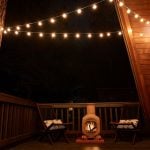
- Outdoor fireplace: about $2,000–$9,000+ (code and chimney/gas requirements can add costs)
- Awning or shade structure: around $200–$6,000+, depending on whether it’s a basic manual awning or a custom, motorized system
- Built-in seating: approximately $1,000–$2,000+, depending on size and design
- Built-in grill or outdoor kitchen: around $3,000–$10,000+, with high-end setups costing more
Beyond these line items, you may also need to budget for:
- Design or engineering fees for larger or elevated decks.
- Extra framing for hot tubs, kitchens, or heavy features.
- Electrical and gas work by licensed professionals.
Add 10-15% or more for permits, inspections, and unforeseen concerns such as concealed structural repairs or drainage improvements discovered during construction.
4. To summarize
The cost is increased because of modern materials, manufacturing, quality attributes, and market dynamics. Composite decking’s longevity lets homeowners get more enjoyment out of outdoor living. Compare your budget to long-term savings and seek professional counsel for customized guidance.
Frequently Asked Questions
Does composite decking get very hot in summers?
Yes, darker composite boards can absorb heat in direct sun, making them 20 to 50 degrees Fahrenheit hotter than lighter colors. This makes them difficult to walk on barefoot, which is a common concern with any dark outdoor surface.
Select light-reflective or heat-holding hues (light gray, beige, or white from EVODEK or Trex). Adding shade structures like trees, umbrellas, or pergolas also helps a lot.
Does composite decking fade?
Premium capped composite decking, such as Trex Transcend, TimberTech, and EVODEK, has built-in UV protection and will fade slowly. You may see some “initial weathering” (color stability) in the first 8 to 12 weeks, but after that, the color is very consistent. Maintain the surface appearance by frequent rinsing with water and avoiding the use of powerful acid cleaners.
What maintenance does composite decking require?
You should only have to clean composite decking two to three times a year with soap, water, and a soft brush. No sanding, staining, or sealing is required. Wood decks, however, require annual staining and sealing and are more prone to insect damage, cracks, and mold.