A more sustainable kitchen starts with small choices that reduce waste and make daily tasks easier. Food scraps are a good place to start. Peels, leftover bits, and plate waste can quickly fill a trash can, but homeowners have other ways to manage them. A garbage disposal can be one useful part of that plan, as long as it suits the home’s plumbing and local wastewater system.
The key is knowing what a disposal unit can and cannot do. It will not stop food waste or replace composting, but it can change how certain scraps leave your kitchen.
This guide discusses practical ways to think about installation, everyday use, and the wider impact on your home.
Why Food Waste Is a Sustainability Issue
Food waste takes up space in landfills and can release methane as it breaks down. Methane is a powerful greenhouse gas, so sending less food waste to landfills can help reduce its impact on the environment.
The U.S. Environmental Protection Agency reports that food waste makes up about 24% of the material sent to American landfills. It also causes around 58% of the methane emissions from municipal solid waste landfills. These figures show why better food waste habits deserve a place in sustainable home design.
Of course, the best way to manage food waste is to avoid creating it in the first place. Planning meals, storing food well, and using leftovers can help. But some scraps are hard to avoid, and that is where a good waste plan comes in.
How a Garbage Disposal Can Support a Greener Kitchen
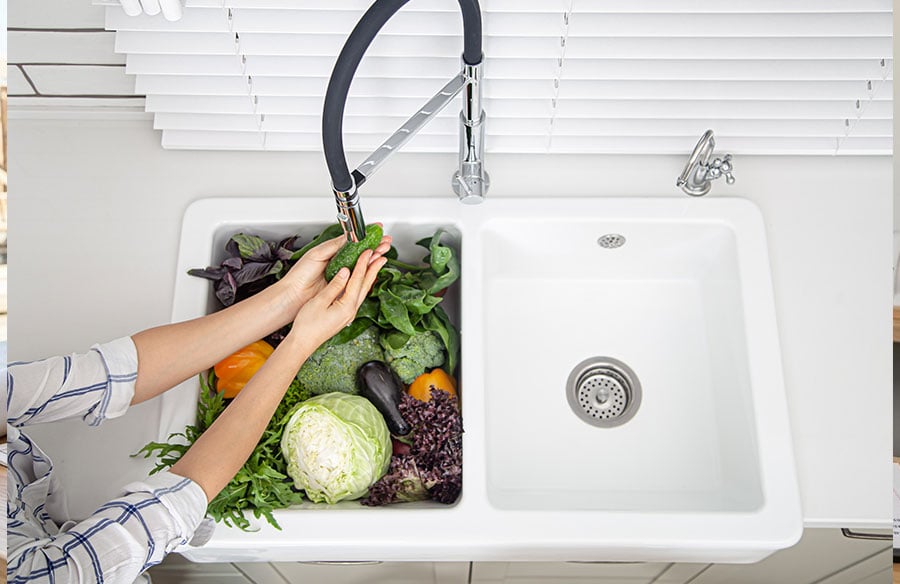
A garbage disposal sits beneath the kitchen sink and grinds suitable food scraps into small particles. Water carries these particles through the drain and into the wastewater system. This can reduce the amount of food waste placed in household trash bags.
What happens next depends on the local wastewater treatment plant. Some facilities can process food waste and use it to create renewable energy or fertilizer. Others may not have the systems needed to handle it in the same way. That is why homeowners should check local rules before installing a unit.
A disposal can also make kitchen clean-up easier. Instead of scraping every small food scrap into the trash, you can rinse suitable leftovers into the sink while running the unit with water. This can be helpful in busy homes where cooking happens every day.
A garbage disposal can help manage certain food scraps, but getting the most from one takes a little planning and care. Below are practical tips:
1. Plan the Installation Around Your Kitchen
Adding a disposal unit takes more thought than simply fitting a new appliance under the sink. The unit needs enough room, a suitable drain connection, and a safe electrical supply. Your sink and existing plumbing also need to support the setup.
Before starting your garbage disposal installation, check the space beneath the sink and make sure the plumbing layout can handle the extra connection. You should also confirm that local rules allow the appliance.
A few details deserve attention before work begins:
- Sink space: Make sure the cabinet has enough room for the unit and its connections.
- Drain setup: Check that the pipes are in good shape and can connect properly to the disposal.
- Electrical safety: The unit needs a safe power connection that meets local electrical rules.
- Dishwasher connection: If you plan to connect a dishwasher, make sure the disposal model supports it.
- Local approval: Check whether your area has rules about using food waste disposers.
A qualified installer can check these details and help prevent leaks, loose fittings, or electrical problems. This is especially useful when adding a unit to an older kitchen.
2. Use the Disposal the Right Way
A disposal can handle some food scraps, but it is not designed for everything left on a plate. Using it properly helps prevent clogs and keeps the unit working well. Most models can handle small amounts of soft food scraps and fruit or vegetable pieces. However, you should always check the instructions for your specific unit.
Avoid putting these items into the disposal unless the manufacturer says they are safe:
- Grease, oil, and large amounts of fat
- Fibrous foods such as celery and corn husks
- Large bones and hard shells
- Coffee grounds in large amounts
- Non-food items such as plastic, metal, and paper
Run cool water while using the unit and let it continue briefly after grinding. This helps move food particles through the pipes. You should also clean the sink area and disposal as recommended by the manufacturer.
3. Combine Disposal Use With Other Waste-Reduction Habits
A garbage disposal works best as one part of a wider kitchen waste plan. It should not become a reason to throw away food that could have been eaten or saved.
For example, vegetable peels and other suitable scraps may go into a home compost bin. Compost can return nutrients to the soil and support garden plants. The EPA also notes that composting helps reduce the amount of organic waste sent to landfills.
You can build a simple routine by keeping a small food scrap container on the counter. Use it for compostable items, while sending only suitable scraps through the disposal. Store leftovers in clear containers so they are easy to spot and use before they spoil.
These habits work well together. They help reduce waste while keeping the kitchen clean and easy to manage.
Make Sustainability Part of Your Kitchen Design
A sustainable kitchen is shaped by more than its cabinets, counters, and appliances. The way people cook, clean, store food, and manage waste also plays a role. A garbage disposal may support that goal when the local wastewater system can handle the food particles it sends through the drain.
Before installing one, check local requirements, choose a suitable model, and make sure the work meets plumbing and electrical rules. Then pair it with smart food storage, meal planning, and composting where possible. These choices can help create a kitchen that feels practical today while making better use of resources over time.