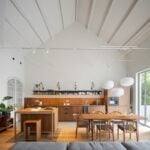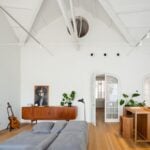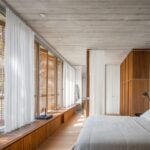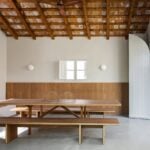
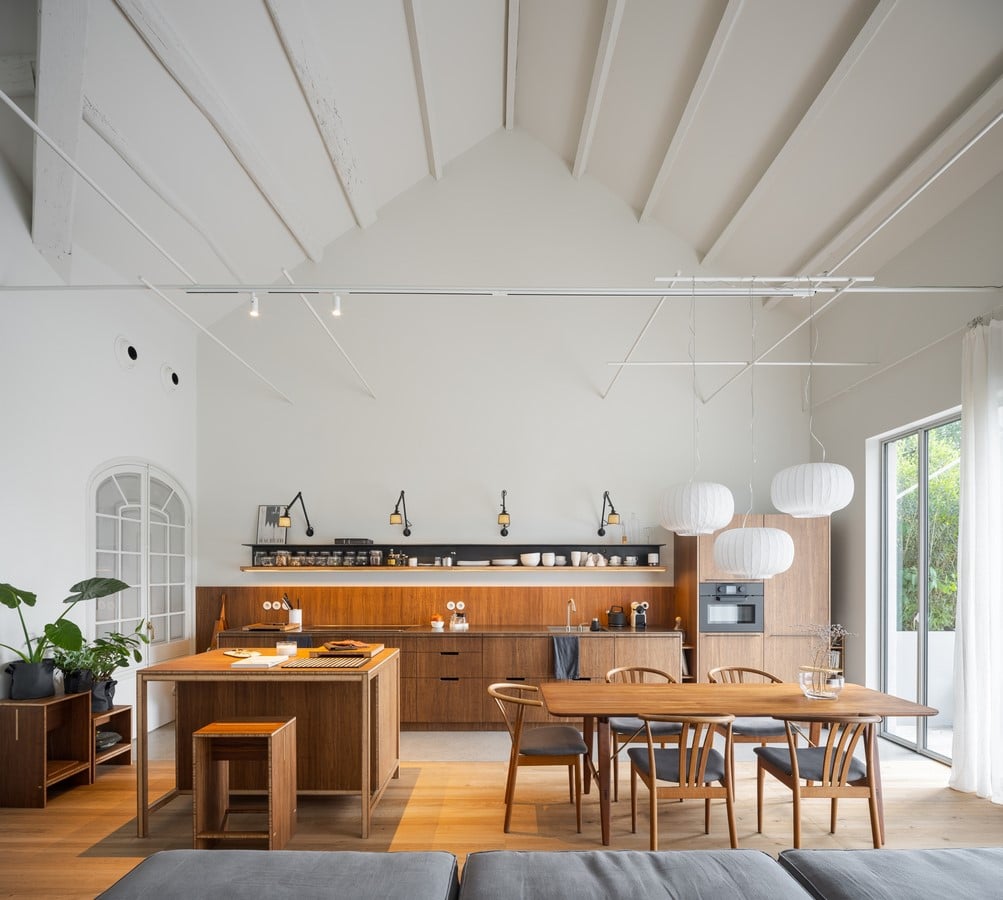
The kitchen becomes one of the focal points of the home, featuring bespoke furniture made from MOSO® solid bamboo panels, which bring warmth and visual continuity to the overall design. Photo: ©Marc Torra (Fragments). MOSO Bamboo©.
Project Name: A historic home in Banyoles
Studio Name: MOSO®
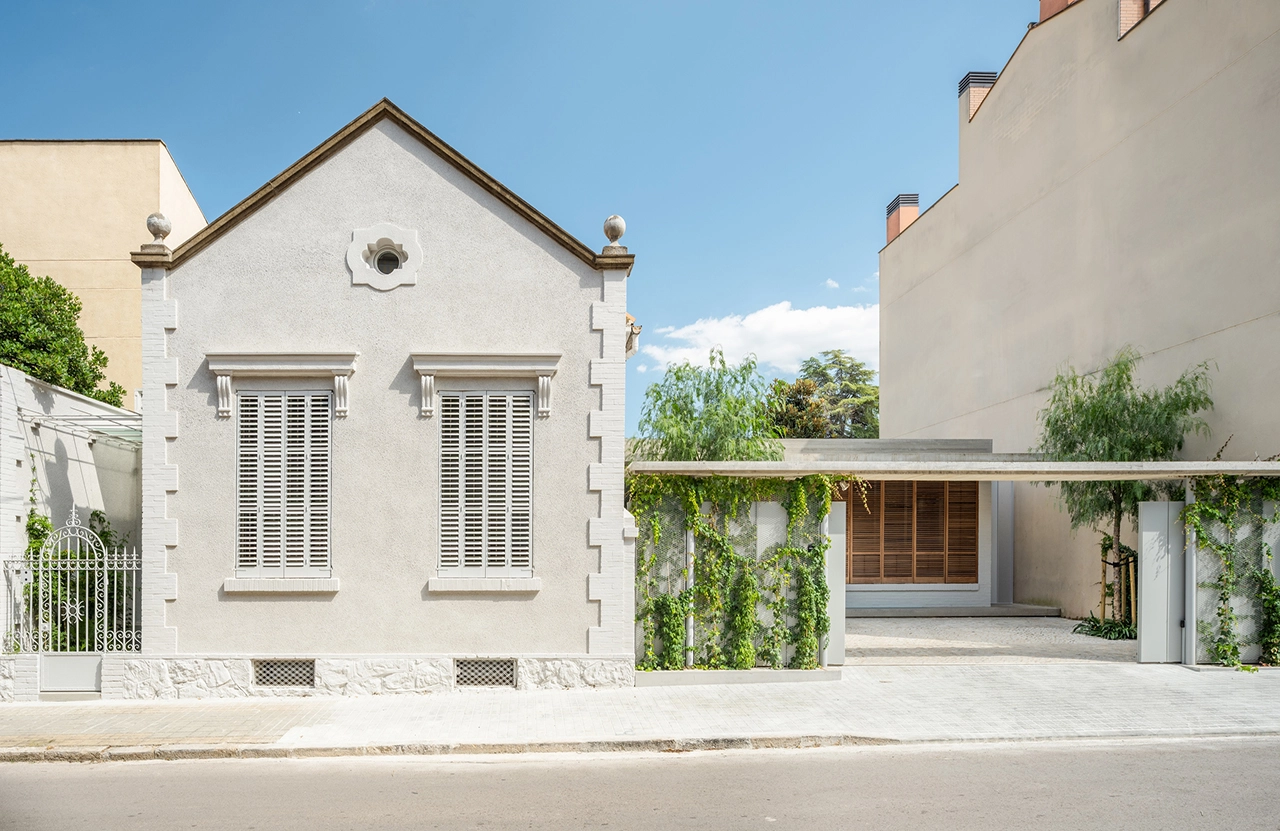
In the historic centre of Banyoles (Girona), where traditional buildings are an integral part of the town’s identity, a house dating back to 1929 has found a new way to engage with its past. Named Palimpsest, the renovation project by Spanish architect Maite Prats is based on a clear premise: to preserve the essence of the original building and adapt it to contemporary needs without erasing the features that make it unique. This philosophy also informs the choice of materials, with solid bamboo panels from MOSO® Bamboo, a leading developer of innovative, sustainable and high-performance bamboo products, providing an ideal solution for creating a warm, contemporary and functional interior.
In architecture, the concept of a palimpsest describes interventions that deliberately retain the visible layers of a building’s history. This idea lies at the heart of the renovation. Rather than demolishing the property and replacing it with a new construction, the project makes the most of the existing structure, preserving its identity while introducing new elements that respond to the demands of contemporary living.
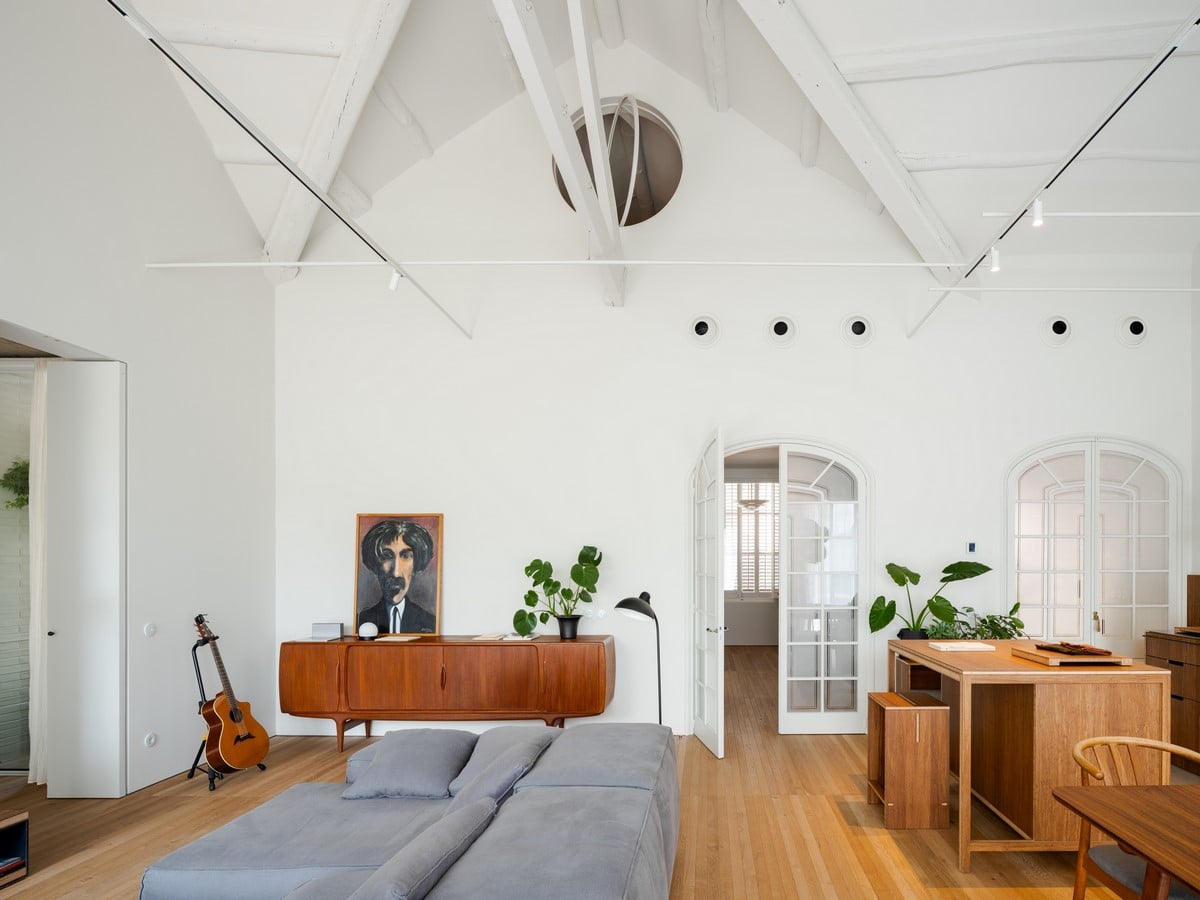
“It was a house with character and a story to tell. The aim was not to replace it, but to renovate and extend it while preserving its original atmosphere,” explains Maite Prats. The intervention introduces a new volume alongside the existing building, carefully designed to respect its original character. This extension accommodates the bedrooms and service areas, while the original house retains the main living spaces: the kitchen, dining room, living room, communal areas and a mezzanine bedroom.
Materials that create continuity between architecture and interior design
Surrounded by a garden, the house has been conceived as a space that opens up to the outdoorswhere natural light, generous proportions and connections between rooms shape the domestic experience. “One of our main objectives was to create an atmosphere in which the house opens up to the garden, with spacious, light-filled and interconnected areas where architecture, interior design.
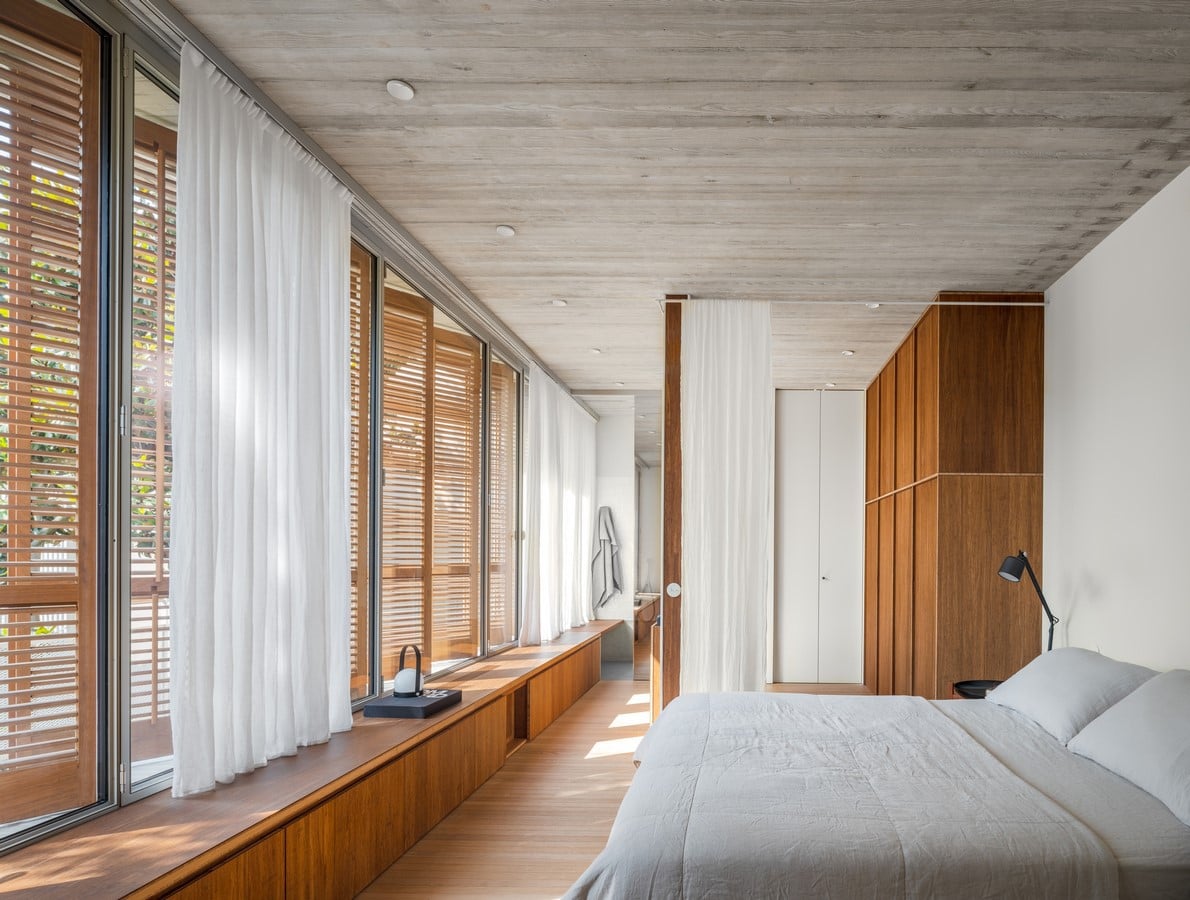
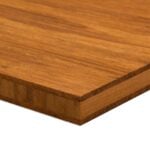
This search for continuity is reflected in a restrained material palette combining concrete, wood and steel. For the furniture, the studio found an especially suitable solution in the solid bamboo panels from MOSO® Bamboo, thanks to their natural expressiveness and versatility. “Bamboo was a perfect fit for the design language we were looking for: natural, warm and contemporary,” says Prats. The architect particularly highlights how easy the panels are to work with and the creative freedom they offer when designing bespoke furniture tailored to each space. Their different thicknesses allow for a variety of construction solutions and, importantly, make it possible to showcase the natural beauty of the panel edges. Rather than concealing them with applied edging, the project incorporates them as an integral part of the design. This decision highlights material’s structure and turns its natural characteristics into an expressive element of the interior.
For the home’s interior, solid bamboo panels in a warm caramel tone were selected, helping to create a welcoming atmosphere and reinforce visual continuity throughout the furniture. The choice was also driven by functional considerations. Thanks to their specialised manufacturing and densification process, MOSO® Bamboo panels offer excellent hardness and wear resistance, together with stability and durability. These properties make them particularly suitable for everyday-use applications such as kitchen fronts, worktops, cabinets, shelving, tables and benches.
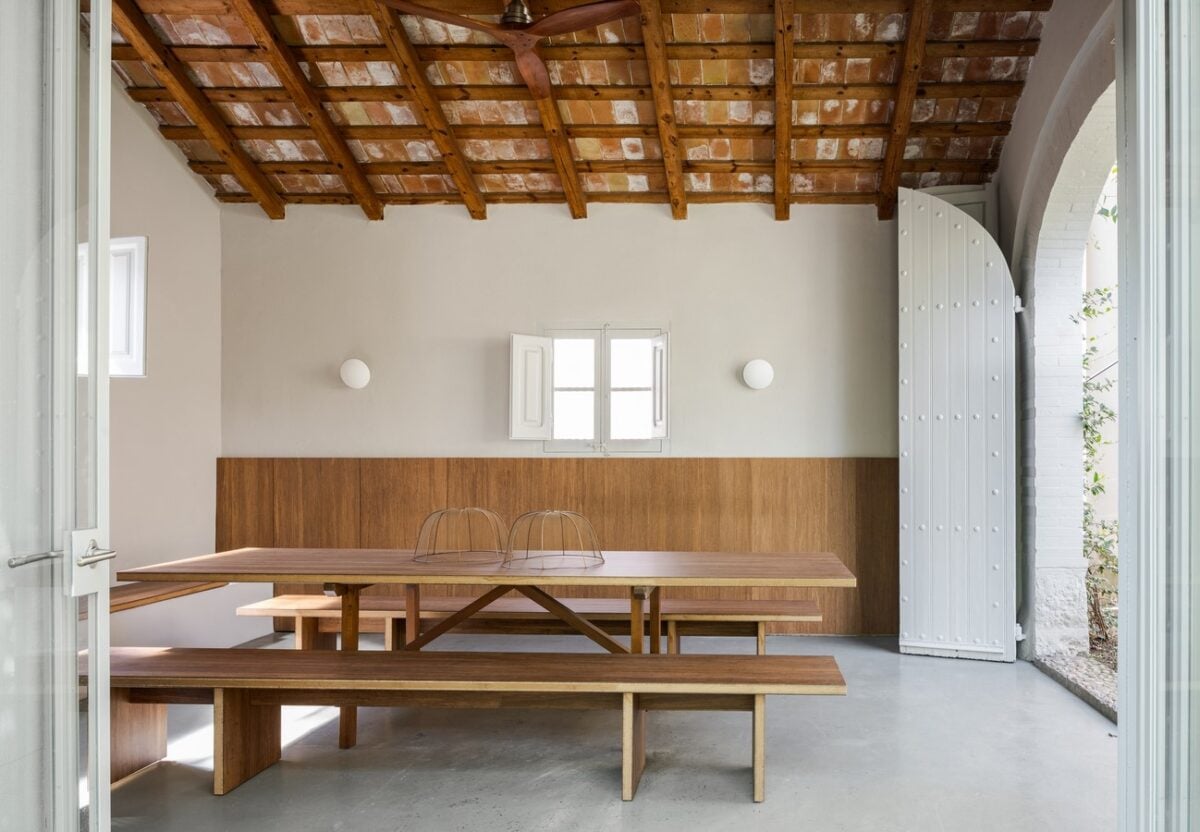
“In a residential project, materials need to meet both technical requirements and the expectations we have for the experience of each space. Solid bamboo panels combine strength and stability with considerable design freedom. Furthermore, the possibility of working with different thicknesses and finishes, while leaving the panel edges exposed, opens up interesting opportunities for furniture.