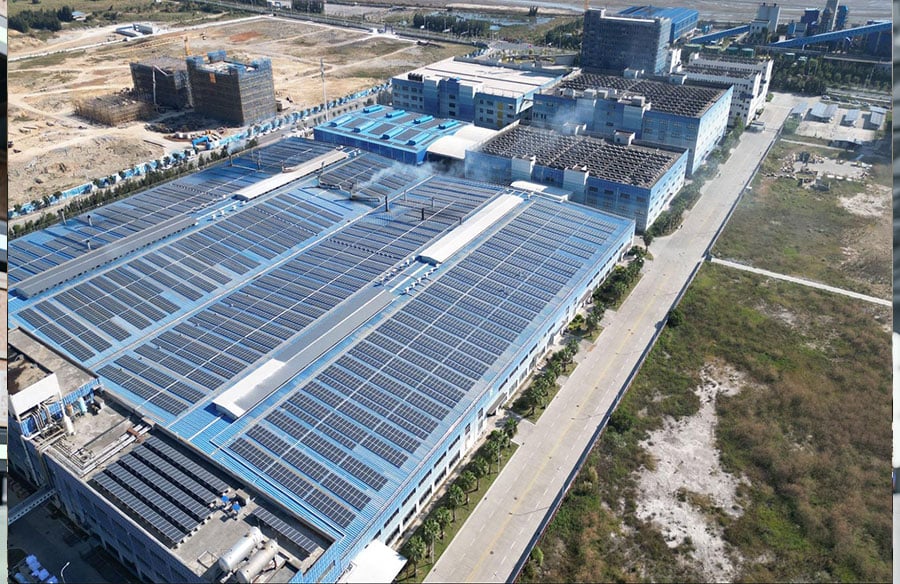
For many decades, roofs were considered as an asset having only two main functions – protection against external influences and providing mounting for the mechanical plant of the building. However, with the introduction of solar power plants, the roof has turned into an active surface, generating energy and causing some design challenges for warehouses, shops, hotels and other similar facilities. The challenges come easy at the conceptual design stage and become costly when the roofing material is already installed.
Why Commercial Solar Power Is Turning the Roof Into a Generating Surface
It is clear that a number of business processes run throughout the day. Shops are open for customers; offices run the computers and air conditioning throughout business hours and warehouses operate continuously as well. The roof is located right above the consumption areas and in many commercial facilities the roof area is quite big and unshaded.
The decision-making process on the issues mentioned above is getting more complicated. The orientation of the roof, its angle and the location of HVAC equipment, exhaust fans, vent pipes and skylights were determined on the basis of practical considerations in the past, but now every item contributes to freeing the roof from shading or covers the area for generating panels.
Structure, Roof Angle and Roofing Materials
In the first place, the roof should withstand additional loads, coming from the array and wind uplift, which is especially critical at the edges and corners of the roof. The structural engineer should confirm that the roof structure can withstand both loads prior to making any decision on the array layout. For instance, the mounting systems in cyclone-prone regions of Northern Australia should be designed according to AS/NZS 1170.2 for specific wind regions.
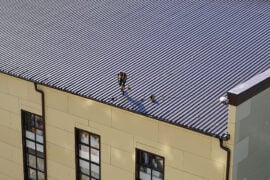
The mounting methods depend on the roofing material of the roof. Low angle metal roofs used in warehouses are usually mounted with rail systems fixed into purlins or clamped to the sheeting. Ballasted frames are used in flat roofs to avoid penetration of the waterproofing membrane, but the ballast adds weight to the roof. The choice of the method depends on the roof structure and wind loads in the area. Neither of the methods wins always.
The lifespan of the roof is another important consideration as the solar panels have a 25-year performance warranty. So, mounting solar panels on the roof, which has 10 years left to live, seems to be unreasonable because lifting the array in order to replace the roofing materials will take more money than replacement of the panels. It is necessary to discuss the location of the skylights and translucent sheeting because they are competing with panels for roof area.
Warehouses and Retail: Large Roofs, Large Daytime Loads
In many cases, warehouses and large-format retail centers are good candidates for installing solar panels on their roofs. This is because the roofs are generally large and unbroken by any interruptions, and a significant proportion of their load (lighting, cooling) occurs during their operating hours.
However, coverage of each square meter is not always necessary. Properly planned commercial solar power systems will take into account actual power consumption by the business during daylight hours, not the roof surface, which would usually result in oversized PV systems and consequently in exporting the excess energy, which is paid for at reduced rates. In addition, in many grids, there are strict limits to the amount of power one can export.
The conversation about sizing goes beyond the roof surface. Battery storage could be another part of the project, especially when the client uses tariffs based on peak demand. There should be an appropriate and easily accessible location for batteries, along with an optimal cable run back to the switchboard, which is not possible in many locations due to the standards, such as AS/NZS 5139 in Australia. Reserving appropriate plant room space early in the design process will be more straightforward than finding it later.
Hospitality: Plant, Guests and Views
Hotels, restaurants and clubs have another roof design challenge. The roofs of such facilities are crowded with kitchen exhaust systems, cool room condensers and HVAC plants. Sometimes, there is not enough roof area for installing solar panels.
However, it is possible to consider other surfaces for the solar array as they are not the main roof. It is also possible to install the panels on carport roofs, entry canopies, pergolas and even the roof structures for outdoor dining. Also, it is worth considering the glare issues as the guests may be looking onto the panels from other sides of the roof.
In addition, the hospitality industry is characterized by high power consumption in the evening. So, the battery storage can influence the way the facility can benefit from the system. The battery storage should be considered at the same early stage of the project as the panels themselves.
Designing for Access and Maintenance
The roof-mounted solar power system, which is difficult to access, will not be properly maintained. It is necessary to design the walkways between the rows of the panels, put the inverters in accessible locations and provide for panel cleaning in dusty or coastal areas. Also, it is necessary to check fire service access regulations in the jurisdiction, as sometimes they set the requirements for clear pathways and certain setbacks across the roof.
Start With the Energy Data
The easiest thing to do is to obtain the electricity bills for 12 months and interval data for 1 year if available. Electricity bills show how much energy the facility consumes during seasons, and interval data show when this energy is consumed. It is important information for designing the system and the battery storage, and it allows the architect, engineer and solar designer to have the same starting point for their discussions.