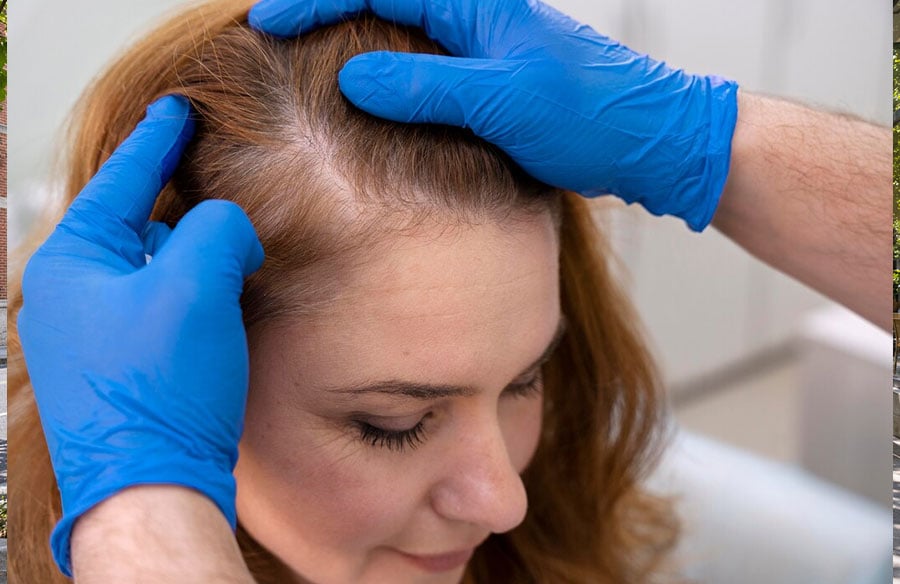
Hair thinning can affect women at different stages of life, from early adulthood to menopause. Although some daily shedding is normal, noticeable thinning, a widening part, or patches of missing hair may indicate an underlying condition. Women experiencing these changes may research a hair transplant for women in Florida to understand their options. However, choosing an appropriate solution starts with identifying what is causing the thinning and determining whether medical treatment, lifestyle adjustments, or a surgical procedure may help.
Florida residents have access to different hair restoration options, but treatment should always be based on an individual assessment. Understanding the common causes of female hair changes can help women make informed decisions and seek appropriate professional advice.
Common Causes of Female Hair Thinning
Female hair thinning does not have one single cause. It may develop gradually or occur more suddenly, depending on genetics, hormonal changes, medical conditions, and other factors.
Female Pattern Thinning
Female pattern thinning, also known as female androgenetic alopecia, is one of the most common causes of progressive thinning. It often involves reduced hair density across the top of the scalp and a widening central part. Unlike typical male pattern baldness, the frontal hairline may remain relatively intact.
Genetics and sensitivity to androgens can contribute to this condition. Although it can begin at different ages, thinning may become more noticeable as women get older.
Hormonal Changes
Hormonal fluctuations can affect the hair growth cycle. Pregnancy, childbirth, menopause, and certain hormonal conditions may contribute to temporary or ongoing shedding.
After childbirth, for example, some women experience increased hair shedding as hormone levels adjust. This condition is commonly temporary, although recovery time varies. Menopause may also contribute to changes in hair density and texture.
Stress and Nutritional Deficiencies
Physical or emotional stress can disrupt the normal hair growth cycle. A condition called telogen effluvium may cause increased shedding several weeks or months after a stressful event, illness, surgery, or significant change in health.
Nutritional deficiencies can also affect hair growth. Low iron levels, inadequate protein intake, and certain vitamin deficiencies may contribute to thinning. However, supplements should not be taken without identifying whether a deficiency is present.
Medical Conditions and Medications
Thyroid disorders, autoimmune conditions, and some scalp diseases may contribute to hair changes. Certain medications can also affect hair growth as a side effect.
Women experiencing sudden shedding, scalp irritation, or unexplained thinning should consult a healthcare professional. A proper assessment can help identify whether an underlying health issue needs attention.
Signs That Hair Changes May Need Professional Attention
Some shedding is part of the natural hair cycle. However, certain changes may indicate that a professional evaluation is appropriate.
These include:
- A widening part or reduced hair density around the crown.
- More hair than usual collecting in brushes or shower drains.
- Noticeable thinning around the temples or hairline.
- Round or irregular patches of missing hair.
- Scalp redness, itching, scaling, or discomfort.
- Sudden or persistent shedding without an obvious explanation.
A dermatologist or qualified hair restoration professional can examine the scalp and discuss possible causes. Depending on the symptoms, evaluation may include a medical history, scalp examination, blood tests, or other investigations.
Which Hair Restoration Treatments Are Available for Women?
Treatment depends on the diagnosis, the extent of thinning, and the patient’s overall health. Some approaches aim to slow further thinning, while others support regrowth or restore density in selected areas.
Topical and Medical Treatments
Topical minoxidil is a commonly used treatment for female pattern thinning. It may help stimulate hair growth and slow further thinning in some women. Results generally require consistent use over several months, and benefits may diminish after treatment is discontinued.
Other medications may be appropriate in selected cases, depending on the underlying cause. These require medical assessment because suitability, possible side effects, and precautions vary between individuals.
Addressing Nutritional and Hormonal Factors
When hair changes are linked to an identified nutritional deficiency or medical condition, addressing that issue may improve hair health. For example, a healthcare professional may recommend treating iron deficiency or managing a thyroid disorder.
Women should avoid assuming that all shedding is caused by vitamin deficiencies. Taking unnecessary supplements may be ineffective and, in some cases, harmful.
Platelet-Rich Plasma and Other Non-Surgical Options
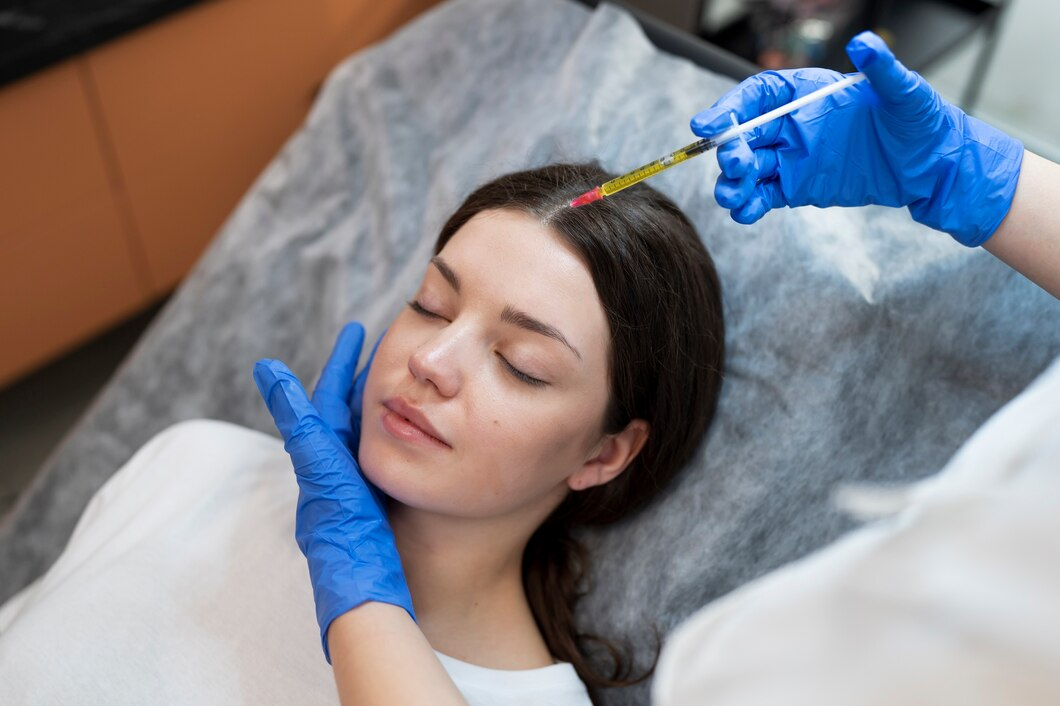 Platelet-rich plasma (PRP) treatment involves preparing a concentration of platelets from a patient’s blood and injecting it into selected areas of the scalp. It is intended to support hair growth, although evidence about its effectiveness varies and treatment protocols are not standardized. The American Academy of Dermatology Association provides further information on various treatments.
Other non-surgical approaches may also be discussed during a consultation. Women should ask about the available evidence, expected outcomes, costs, and possible risks before proceeding.
Understanding Hair Restoration Treatments and Choosing an Appropriate Option
There are several treatment options available, but no single approach works for every woman. The most suitable option depends on the type of hair changes, their progression, and whether the hair follicles remain capable of producing hair.
A professional assessment can help distinguish between conditions that may respond to medication and those that may require a different approach. It also helps prevent women from spending time and money on products that do not address the underlying issue.
Treatment plans may involve one method or a combination of approaches. Patients should discuss realistic timelines because hair growth is gradual, and visible changes may take several months.
When Is a Hair Transplant an Option for Women?
Hair transplantation may be appropriate for some women with stable thinning and suitable donor hair. The procedure involves relocating hair follicles from a donor area, usually at the back or sides of the scalp, to areas with reduced density.
However, not every woman experiencing significant shedding is a suitable candidate. Diffuse thinning across the entire scalp, ongoing shedding, certain medical conditions, or insufficient donor hair may affect eligibility.
What Happens During the Consultation?
A hair restoration consultation typically involves reviewing medical history, examining the scalp, assessing the donor area, and discussing the patient’s goals. The specialist may also recommend further testing when the cause of the issue is unclear.
Patients should ask about the proposed technique, expected density, recovery process, potential complications, and long-term maintenance. A clear explanation of limitations is important when deciding whether surgery is appropriate.
What Should Women Expect After Surgery?
Recovery varies depending on the procedure and individual circumstances. Temporary redness, swelling, scabbing, and discomfort may occur. Transplanted hairs commonly shed during the early recovery period before new growth develops.
Visible results take time, and final growth may require many months. Patients should follow their surgeon’s aftercare instructions and attend recommended follow-up appointments.
Finding Hair Restoration Care in Florida
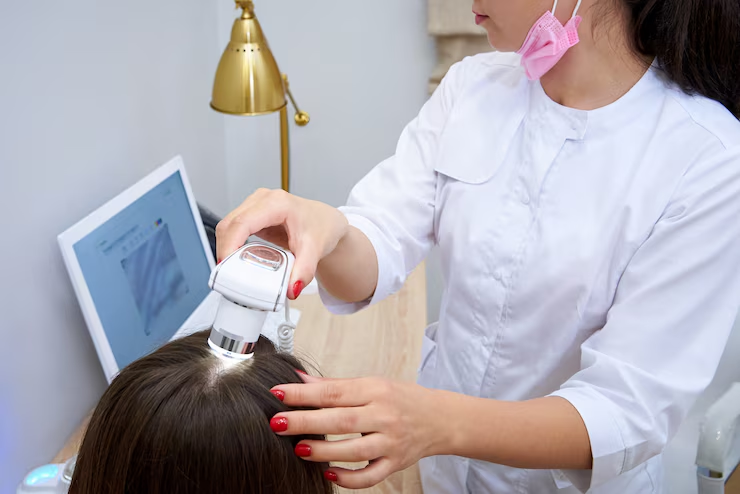 Women researching treatment options in Florida should look for qualified professionals with experience evaluating female hair changes. Credentials, clinical experience, treatment explanations, and transparent communication are important factors when comparing providers.
A reputable clinic should explain both surgical and non-surgical options where appropriate. It should also discuss the possibility that a patient may not be a suitable candidate for a particular procedure.
Before choosing a provider, consider asking:
- What may be causing my hair thinning?
- Are additional medical tests necessary?
- Which treatments are appropriate for my diagnosis?
- What results are realistic?
- What are the risks, costs, and follow-up requirements?
- How will my progress be monitored?
Women should also be cautious about products or clinics promising guaranteed regrowth or immediate results. Hair restoration outcomes vary, and a responsible treatment plan should reflect individual needs.
Conclusion
Female hair thinning can result from genetics, hormonal changes, stress, nutritional deficiencies, medical conditions, and other factors. Identifying the underlying cause is the first step toward selecting an appropriate treatment.
Women in Florida can explore medical therapies, non-surgical procedures, and hair transplantation when clinically suitable. However, treatment decisions should be based on a professional assessment rather than assumptions about the cause of thinning.
With an accurate diagnosis, realistic expectations, and an appropriate care plan, women can make informed decisions about managing the condition and improving their hair health.