Have you ever wondered whether the trees surrounding your home are strong enough to withstand the next severe storm? Heavy rainfall, powerful winds, and lightning can turn seemingly healthy trees into serious property hazards. Hiring a professional tree service in Buckhead at the right time can help homeowners identify hidden risks, protect their property, and avoid costly emergency repairs. The good news is that many tree-related hazards can be identified and addressed before severe weather arrives.
When Should You Hire a Tree Service Before a Storm?
The best time to arrange a tree inspection is before severe weather develops, rather than after a tree has already fallen.
Consider scheduling a professional assessment if you notice any of the following conditions.
1. When Large Branches Hang Over Your Roof
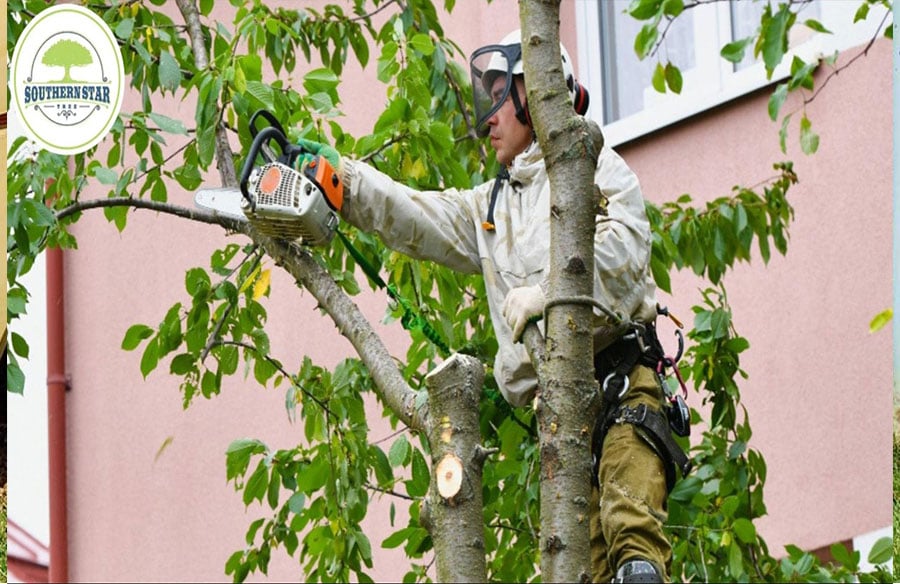
Branches that grow across your house seem safe when there is no wind blowing. Nevertheless, when it is windy, any branch that is broken or weak is likely to break and land on your roof, windowpanes, or gutters.
An expert will help you decide whether it needs pruning or removal.
2. When a Tree Starts Leaning Suddenly
A tree that leans naturally is not necessarily considered a danger. Nevertheless, any new or growing lean in addition to cracked soil or exposed roots should be taken seriously.
An arborist can assess the health of the root system and make sure the tree will stay put.
3. When You Notice Dead or Diseased Limbs
One of the most prevalent warning signs which no homeowner should ignore is deadwood.
If you take care of damaged branches before the season begins, then you will decrease the number of loose branches in the canopy. It will also help the experts to spot any structural problems.
4. When Trees Grow Too Close to Power Lines
Trees located close to electricity lines need extra care. The slightest touch from even a twig on such lines will cause a very dangerous electrical hazard.
Do not prune these trees on your own; consult the utility company.
Why Do Trees Become Dangerous During Severe Storms?
Trees provide shade, improve curb appeal, and make outdoor spaces more attractive. However, their size and weight can become a concern when severe weather strikes.
Heavy rainfall can loosen the soil around tree roots, while strong winds place considerable pressure on branches and trunks. If a tree already has structural weaknesses, these conditions can increase the possibility of falling limbs or complete tree failure.
Here are some common warning signs homeowners should watch for:
- Dead branches: Dry or decaying limbs can break during strong winds.
- Cracks in the trunk: Deep cracks may indicate structural weakness.
- Sudden leaning: A noticeable change in a tree’s position could indicate root instability.
- Exposed roots: Damaged or lifting roots may affect the tree’s stability.
- Hollow sections: Cavities and internal decay can weaken the trunk.
- Overgrown branches: Large branches extending over roofs, driveways, and walkways may create additional hazards.
Ignoring these signs can put people, vehicles, roofs, and nearby structures at risk. However, identifying these problems early can make a big difference in preventing storm-related damage. Homeowners can also learn more about the warning signs your trees may be showing before storm season to better understand potential tree hazards and know when professional attention may be necessary.
How Can Professional Tree Care Reduce Storm Damage?
Proactive tree care is not just about pruning branches. It means knowing what the tree’s structure is and what can happen if its weaknesses are not treated correctly.
Below is a list of four ways that professional tree maintenance can benefit you.
1. Schedule Regular Tree Inspections
An inspection done professionally will reveal decay, poor branching structure, root damage and other structural concerns.
Although a tree looks healthy from the outside, it could be having decay and even an unstable root system. Early diagnosis will help the homeowner make decisions early enough when the weather turns.
2. Invest in Strategic Tree Pruning
The correct way to prune is by getting rid of branches that are dead, sickly, damaged, or improperly attached to the rest of the tree.
Pruning may even help a tree achieve better structure and reduce the risk of some problems from branches that are weak.
Too much pruning or topping of trees will harm the tree rather than improve its structure.
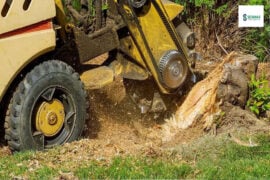
3. Remove Hazardous Trees When Necessary
Pruning may not always be the answer in some cases. When the tree is too diseased, its trunk has been damaged in many ways, or its root system is unstable, the danger posed by the tree is simply too much.
In these cases, professional tree removal may be a better choice.
Those who would like to avail themselves of this kind of service can try researching professional tree removal services.
4. Prepare Trees for Seasonal Weather
Preventive maintenance should be a part of a routine for taking care of the property.
Conducting inspection, fixing broken branches, safeguarding roots, and checking on the health condition of trees can all contribute to the reduction of unnecessary risks.
What Does Research Say About Storm-Damaged Trees?
However, professional tree services go beyond a mere suggestion based on experience. Universities and forestry groups also stress the importance of recognizing issues prior to the bad weather.
For instance, NC State Extension gives advice on dealing with the storm-damaged landscape trees. The suggested steps show the significance of assessing damages to the branches, roots, trunk, and the stability of the tree.
In addition, University of Connecticut Extension encourages to check for the presence of dead branches, cracks in branches, leaning trees, root problems, and other issues in trees growing close to houses, streets, walkways, and other constructions.
These examples give another important message: recognizing issues in trees is an important element of ensuring property safety.
As for those homeowners who require reliable tree services, Southern Star Tree Service knows the significance of recognizing potential issues in advance. Such an assessment may help understand the further treatment of the tree – maintenance, pruning, or removal.
Should You Remove a Tree or Can It Be Saved?
Not all trees that have been harmed necessarily need to be taken down. It all depends on the state of the tree and how badly it has been damaged.
For instance, small branches that have died could only need to be pruned by a professional. Similarly, a small limb that has been damaged could just be trimmed by a professional.
Trees with no structural problems could be evaluated in order to see what could help them.
On the other hand, if there has been a lot of trunk or root failure, then removing the tree would be the safest thing to do.
What Should You Do If a Tree Is Damaged After a Storm?
Even with preventive maintenance, severe weather can cause unexpected damage.
If a storm has recently passed through your neighborhood, follow these precautions:
- Stay away from fallen or leaning trees.
- Never approach branches touching electrical wires.
- Keep children and pets away from damaged areas.
- Take photographs of visible property damage from a safe distance.
- Contact a qualified tree care professional for an assessment.
- Avoid operating chainsaws or attempting to remove large hanging branches yourself.
Branches under tension can move unexpectedly when cut, creating serious injury risks.
If a tree has fallen on your home or is creating an immediate threat, contact emergency services or the appropriate utility provider when necessary.
Protect Your Property Before the Next Storm
Taking care of your trees before severe weather arrives can save you from unexpected damage and unnecessary stress. If you have noticed dead branches, leaning trees, or signs of decay, it may be time to get them checked. The team at Southern Star Tree Service can help you understand your tree care needs and determine whether pruning or removal is the right solution. A little attention today can go a long way toward keeping your property and the people around it safe when the next storm arrives.