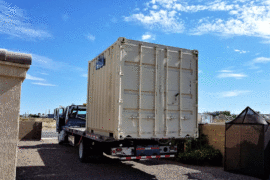
Not all outstanding steel is of equal importance in terms of the schedule. On a recently delayed two-story retail shell construction project, weather (read: rain) had delayed construction activities and the framing schedule had slipped. Rather than pay to expedite all outstanding steel (there were still dozens of pieces outstanding), we reviewed with the general contractor and steel detailer which roof-supporting elements above the large open sales floor were critical to allow the next construction activity to proceed versus less critical exterior framing elements where the exterior wall trade could still proceed.
Prioritize Roof and Trade-Critical Steel
Weather protection can also be a consideration, as some steel elements (i.e. beams supporting roof deck) may be required before others in order to allow temporary weather protection. Without weather protection, the general contractor likely will not allow interior trades to proceed.
Classify all outstanding steel into three categories:
- required for structural/roof completion
- required for other trades (access/layout)
- not required for schedule (can be installed at a later date)
Check Beam Substitutions Before Ordering
Wide flange beams can be an excellent solution for recovering project schedules, provided they are selected appropriately.
When commercial steel deliveries are delayed, even minor weather disruptions can push a project further behind schedule. With opening dates already promised to customers, there may be pressure to order whichever wide flange beams are readily available. However, before accepting readily available wide flange beams as a field substitution, it’s important to verify that the proposed sections will allow the structural frame to function as intended.
Reviewing the section properties of the replacement wide flange beams is an essential part of this process. This helps ensure that the substitution will not create complications with structural connections, inspections, or subsequent construction activities.
Have the Engineer Review the Entire W-Shape
Do not assume that just because the readily available wide flange beam is the same depth (or even heavier) it is an appropriate field substitution. In addition to strength, the engineer of record should check deflections, camber requirements, and effects on the connection details (bolt spacing, bearing lengths, etc.). Other construction activities should also be coordinated, and the selected beam may have implications for framing members supported from the W-shape (elevation/location changes), mechanical/electrical/plumbing trades (clearance/penetrations), etc. For example, a deeper W-shape may interfere with mechanical duct work or impact the finished ceiling elevation.
 Update Connection Details Before Fabrication
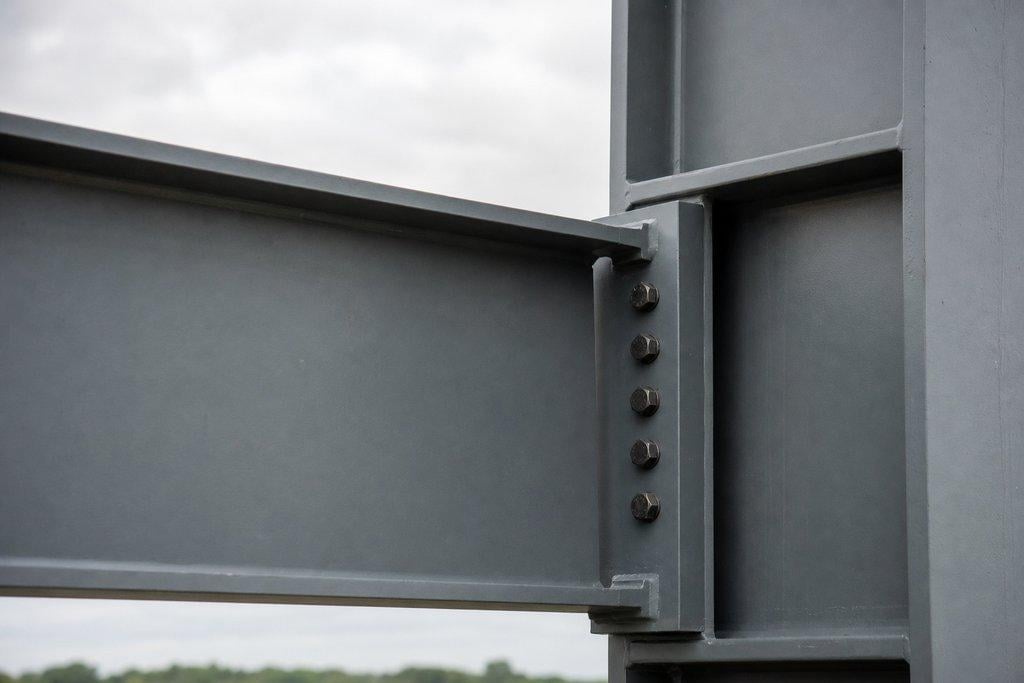
Be sure the shop drawings are also up-to-date. Changes in the W-shape web depth and flange thicknesses may require changes to connection elements (end plate dimensions, clip angle sizes, bolt lengths, stiffeners, weld sizes, etc.). If the W-shapes will be field framed into previously erected members (beams/girders/columns), make sure the fabricator checks to see if the field connections can be made without field welding/drilling/cutting.
Verify Site Dimensions and Crane Access
Project schedules sometimes slip because of inclement weather, as discussed at https://wmo.int/topics/weather, and jobsite conditions may have changed since dimensions were obtained. Muddy slab edge conditions, material storage, temporary bracing, etc. can complicate verification of existing conditions. If at all possible, verify critical dimensions prior to placing the revised beam order with the fabricator. Also consider equipment logistics (crane clearances, pick areas, access for outriggers, areas for unloading the delivery trucks, etc.) before placing the order. A readily available wide flange beam won’t do you much good if the crane won’t be able to pick it up for another week!
Phase Delivery Around Roof Work
Consider phasing the delivery/erection of the wide flange beams. Delivering everything at once may lead to congestion at the jobsite and increased potential for damage. For example, it may make sense to deliver/erect just the W-shapes supporting the roof, allowing metal deck to follow, which could then allow roofing/exterior work to proceed. While this erection sequence may increase the cost (additional crane/truck mobilization, expedite fees, etc.), it may ultimately save days in the critical path.
Keep Connection Areas Clean
After erection, make sure puddles/mud splashes, etc. are cleaned up around the wide flange beam connections (base plates, column splices, moment connections, etc.). This will help minimize challenges for subsequent connection completion (field drilling/bolting, welding, etc.) as well as facilitate inspections.
Also, alternatives may be identified through a review of the mills availability of other lengths or grades.
If the grade, beam orientation or splice locations are changed, it is important to note these changes to insure that all parties (i.e., the erector, inspector, fabricator, etc.) are referring to the same revision.
Approve Substitutions Against the Whole Schedule
When just a handful of W-shapes are critical path items (meaning they will allow roofing and several subsequent activities to proceed), it may make sense to expedite delivery/fabrication. Alternatively, while it may be more expensive (fabricator/engineering time, additional coordination, etc.), it may make sense to change out the wide flange beams.
The bottom line is to avoid just looking at the cost of the replacement W-shapes, and instead evaluate the big picture/schedule impact before pulling the trigger. Once the decision is made, be sure the substitution has been approved by the engineer of record, the connections have been addressed, crane time/logistics have been coordinated, inspections have been considered, and there is adequate dry storage for other delivered W-shapes.