Water damage can occur without warning, affecting homes, offices, and commercial buildings. A burst pipe, leaking appliance, roof leak, or severe storm can allow water to spread through flooring, walls, ceilings, and personal belongings. If moisture is not addressed promptly, it can weaken building materials, create unpleasant odors, and contribute to mold growth.
Professional water damage restoration helps property owners control the damage, dry affected areas, and restore their buildings safely. Understanding the restoration process and knowing when to seek professional assistance can make recovery more manageable and help prevent additional expenses.
Common Causes of Water Damage
Water damage can develop from several sources, and identifying the cause is essential before restoration begins.
Plumbing Leaks and Burst Pipes
Damaged pipes, loose connections, and plumbing failures can release water into kitchens, bathrooms, basements, and wall cavities. A major pipe burst may flood an area within minutes, while a slow leak can remain hidden until stains or structural problems appear.
Prompt water damage repair helps prevent moisture from spreading into surrounding materials. Property owners should address plumbing problems immediately and have hidden leaks investigated by a qualified professional.
Roof Leaks and Storm Damage
Heavy rain, strong winds, damaged shingles, and deteriorated flashing can allow water to enter through the roof. Once inside, moisture may spread through attic insulation, ceilings, and walls.
After a storm, look for water stains, peeling paint, damp insulation, and dripping around windows or ceilings. A professional inspection can help identify the entry point and determine whether roofing repairs are necessary.
Appliance and Equipment Failures
Washing machines, dishwashers, refrigerators, and water heaters can cause significant damage when hoses, valves, or internal components fail. Even a small leak can affect cabinets and flooring if it continues unnoticed.
Regular inspections of appliance connections and replacing worn hoses can reduce the risk of unexpected water intrusion.
Flooding and Drainage Problems
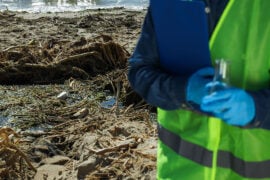
Floodwater can enter through basement windows, exterior doors, foundation openings, and overwhelmed drainage systems. Unlike water from some clean plumbing leaks, floodwater may contain sewage, chemicals, and other contaminants.
Professional flood damage restoration is important when the water source is contaminated or uncertain because affected areas may require specialized protective equipment, cleaning, and material removal.
Warning Signs of Water Damage
Water damage is not always visible immediately. Recognizing the warning signs early can help property owners arrange repairs before the problem becomes more extensive.
Common indicators include:
- Brown or yellow stains on ceilings and walls.
- Warped flooring or swollen wooden surfaces.
- Peeling paint and bubbling wallpaper.
- Musty odors in basements, closets, or enclosed rooms.
- Damp carpets and soft drywall.
- Visible mold or persistent condensation.
- Unexpected increases in water bills.
- Water pooling around the foundation.
If you notice these signs, investigate the source rather than simply covering the affected surface. Moisture may be trapped behind walls or beneath flooring, where it can continue damaging materials.
Steps Involved in Water Damage Restoration
A professional restoration project generally follows several stages. The exact process depends on the amount of water, the contamination level, and the materials affected.
1. Inspection and Damage Assessment
The first step is to identify the source of the water and evaluate the extent of the damage. Restoration technicians inspect visible problem areas and may use moisture meters or thermal imaging equipment to locate hidden dampness.
The assessment helps determine which materials can be dried and restored and which may need removal. Technicians also consider potential electrical hazards and contamination risks before beginning work.
If water is near electrical outlets, wiring, or appliances, stay clear of the affected area and contact qualified professionals. Never enter standing water when electrical safety is uncertain.
2. Emergency Water Removal
Removing standing water promptly helps limit further absorption into floors, walls, furniture, and other building materials.
Depending on the conditions, restoration teams may use extraction pumps, wet vacuums, and specialized equipment to remove accumulated water. Effective emergency water removal can reduce the amount of moisture that must be addressed during the drying stage.
However, removing visible water does not mean the property is completely dry. Moisture can remain inside porous materials and concealed spaces.
3. Structural Drying and Dehumidification
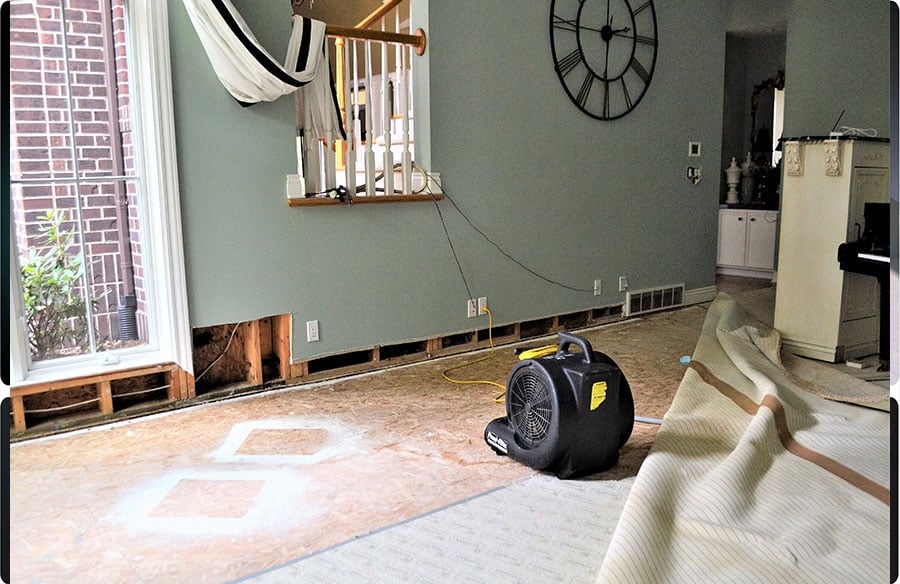
After water extraction, affected materials need sufficient time and airflow to dry. Restoration professionals may use commercial air movers and dehumidifiers to remove moisture from building materials and the surrounding air.
Technicians monitor moisture levels throughout the process to determine whether drying targets have been reached. This is particularly important for wall cavities, subfloors, insulation, and other areas where moisture may remain hidden.
Proper structural drying after water damage helps reduce the risk of ongoing deterioration and prepares the property for cleaning and repairs.
4. Cleaning and Sanitization
The cleaning process depends on the source and condition of the water. Water from a clean supply line generally presents different risks from sewage backups or floodwater.
When contamination is possible, technicians may need to remove affected materials, clean salvageable surfaces, and apply appropriate disinfectants. Porous items that have absorbed contaminated water may not be safe to restore.
Professional water damage cleanup services help ensure that the affected area is treated according to its specific conditions rather than relying on surface cleaning alone.
5. Mold Prevention and Remediation
Mold can develop when moisture remains in building materials under suitable conditions. It may affect drywall, insulation, carpets, wooden structures, and other porous surfaces.
Prompt drying helps reduce the risk of mold growth, but existing mold requires separate assessment. Persistent musty odors or visible growth may indicate that moisture remains or that contaminated materials need attention.
Professional mold remediation after water damage may involve containment, removal of affected materials, cleaning, and correction of the moisture source. Simply painting over mold or masking odors will not resolve the underlying problem.
6. Repairs and Reconstruction
Once the property has been dried and cleaned, restoration work can move to repairs. Depending on the damage, this may include replacing drywall, repairing ceilings, installing new flooring, repainting walls, or replacing damaged insulation.
A qualified contractor should explain which materials can be restored and which require replacement. Completing repairs only after appropriate drying helps reduce the risk of moisture-related problems returning.
Factors That Affect Water Damage Restoration Costs
The cost of water damage restoration services depends on the size of the affected area, the water source, the level of contamination, and the amount of repair work required.
A small plumbing leak may involve limited extraction and drying. Extensive flooding can require specialized equipment, removal of damaged materials, multiple drying stages, and substantial reconstruction.
Other cost factors include property accessibility, the type of flooring, damage to electrical or mechanical systems, and the need for mold remediation.
Request a written estimate that outlines the expected work, equipment, material removal, drying, and repairs. If insurance may cover the damage, photograph affected areas when safe, keep relevant receipts, and contact your insurer promptly. Coverage varies by policy and cause of loss.
How to Prevent Future Water Damage
Preventive maintenance can reduce the likelihood of many water-related emergencies. Inspect plumbing connections and appliance hoses regularly, repair roof leaks promptly, and keep gutters and downspouts clear.
Check basements and foundations for recurring moisture, especially after heavy rainfall. Consider installing leak detection devices near water heaters, washing machines, and other vulnerable equipment.
Businesses can benefit from routine building inspections and documented maintenance schedules. Identifying small problems early may prevent costly repairs and unexpected interruptions.
Choosing a Professional Restoration Company
When selecting a restoration provider, look for relevant experience, appropriate insurance, clear communication, and a detailed restoration plan. Ask how the company identifies hidden moisture, monitors drying progress, and handles contaminated materials.
A reliable provider should explain the recommended steps, expected timeline, and potential additional costs before proceeding with major repairs.
Conclusion
Water damage can threaten a property’s structure, appearance, and indoor environment. Responding quickly and following a systematic restoration process can help limit the damage and support a more complete recovery.
From emergency water removal and structural drying to cleaning, mold remediation, and reconstruction, each stage contributes to restoring the affected property. With professional assistance, routine maintenance, and prompt attention to leaks, property owners can reduce future risks and protect their investment for years to come.