Most of us never think about our heating and cooling system until the moment it stops working. It is the hottest afternoon of the summer, or the coldest night of the winter, and suddenly the house is uncomfortable, the kids are complaining and you are scrolling for an emergency repair number.
The good news is that most HVAC headaches are preventable. With a little attention and the right professional support, your system can run efficiently for years, keep energy bills in check and keep your family comfortable in every season. Here is what every homeowner should know.
Understanding Your HVAC System
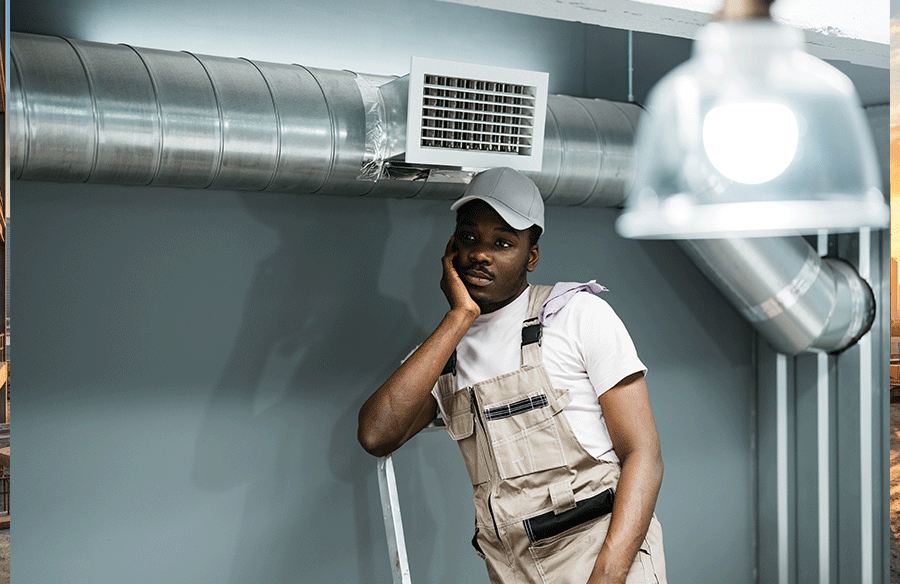
HVAC stands for heating, ventilation and air conditioning. In most homes, that means a furnace or heat pump for warmth, an air conditioner or heat pump for cooling, and a network of ducts, vents and filters that move and clean the air.
These components work as a team. A clogged filter forces the blower to work harder. Leaky ducts waste conditioned air before it reaches your rooms. A dirty outdoor coil makes the air conditioner struggle on hot days. When one part falls behind, the whole system pays the price in comfort, efficiency and lifespan.
The Power of Preventive Maintenance
If there is one habit that pays off more than any other, it is scheduling professional maintenance. Most experts recommend a tune-up for your cooling system each spring and for your heating system each fall, before the demanding seasons begin.
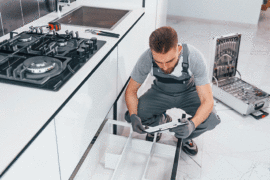
During a visit, a qualified technician typically inspects electrical connections, checks refrigerant levels, cleans coils, tests safety controls, lubricates moving parts and verifies that the thermostat is working correctly. For gas furnaces, they also check burners and ventilation to make sure combustion gases are safely carried out of your home.
The benefits add up quickly. Regular maintenance helps your system run more efficiently, catches small problems before they become expensive breakdowns and can extend the life of your equipment. Many manufacturers also require documented maintenance to keep warranties valid.
Simple Things You Can Do Yourself
You do not need to be a technician to help your system perform at its best. A few easy habits make a big difference.
Change your air filter regularly. Depending on the filter type, pets and household allergies, this might be every one to three months. A fresh filter improves airflow, protects equipment and keeps indoor air cleaner.
Keep the outdoor unit clear. Trim back shrubs, rake away leaves and keep at least a couple of feet of open space around the condenser or heat pump.
Don’t block vents. Furniture, rugs and curtains covering supply or return vents can disrupt airflow and create uneven temperatures.
Use your thermostat wisely. A programmable or smart thermostat can automatically adjust temperatures when you are asleep or away, trimming energy use without sacrificing comfort.
Warning Signs Your System Needs Attention
Even well-maintained systems eventually need repairs. Watch for these signals that something is wrong.
- Rooms that are noticeably warmer or cooler than others
- Unusual noises such as banging, grinding, squealing or rattling
- Strange smells, including burning or musty odors
- The system turning on and off frequently in short cycles
- A sudden jump in energy bills without a change in usage
- Weak airflow from vents or excess humidity in the house
If you ever smell gas, leave the home immediately and call your gas utility or emergency services from a safe location. For other symptoms, calling a professional early usually means a simpler, less costly fix.
Repair or Replace?
Every system eventually reaches the point where repairs no longer make financial sense. Age is one clue. Many furnaces and air conditioners last roughly 15 years with good care, though this varies with usage, climate and installation quality.
Other signs it may be time to replace include frequent breakdowns, rising energy bills, inconsistent comfort and repair costs that approach a significant share of the price of new equipment. A trusted technician can walk you through the numbers honestly, rather than pushing a new system you do not need.
The Upside of Upgrading
When replacement does make sense, today’s equipment offers real advantages. Modern high-efficiency furnaces, air conditioners and heat pumps use considerably less energy than older units. Variable-speed systems adjust their output to match demand, delivering steadier temperatures and quieter operation.
Heat pumps in particular have become a popular choice in many regions because they can both heat and cool a home efficiently. Depending on where you live, you may also qualify for utility rebates or tax incentives that reduce the upfront cost of efficient equipment.
Proper sizing is crucial. A unit that is too large will cycle on and off constantly, while one that is too small will struggle to keep up. A professional load calculation ensures your new system fits your home.
Don’t Forget Indoor Air Quality
Comfort is about more than temperature. Indoor air can contain dust, pollen, pet dander and other particles that affect health and comfort. Upgraded filtration, air purifiers, humidifiers, dehumidifiers and duct cleaning can all help create a healthier home environment, particularly for family members with allergies or asthma.
Choosing the Right HVAC Partner
The most important decision you make about your system may be who you trust to care for it. Look for licensed and insured technicians, clear and upfront pricing, solid reviews and a company that explains options rather than pressuring you. Responsiveness matters too, because breakdowns rarely happen at convenient times.
A local, established company such as Parkers Heating And Air understands the climate, housing styles and seasonal demands of the area it serves, which helps technicians recommend solutions that actually fit your home.
The Bottom Line
Your heating and cooling system works hard behind the scenes every day. Treat it well with regular maintenance, simple at-home habits and prompt attention to warning signs, and it will reward you with reliable comfort and lower energy costs. When it is time for repairs or an upgrade, a trusted professional will help you make the right call, so you can stop worrying about the weather and simply enjoy your home.