
A building may be beautifully designed, but its architectural features can lose their impact after dark without the right lighting. Materials, proportions, textures, and carefully selected finishes all contribute to its character, yet lighting determines how these elements are perceived and experienced.
Lighting is more than an addition to a construction project. It can highlight a facade, create warmth indoors, guide movement, and improve visual comfort. When planned alongside the architecture, it reinforces the building’s defining features and creates a cohesive experience. When treated as an afterthought, even a well-designed building can appear flat, harsh, or difficult to navigate.
So, how does the right lighting design elevate a building’s architecture?
From revealing structural details to improving energy efficiency, here are six ways thoughtful lighting can transform a space.
1. Reveals Form, Texture, and Design Intent
Great Architectural Lighting begins by asking what the building is trying to say. Light can graze a stone wall to expose its texture, wash a curved ceiling to emphasize its sweep, or outline a facade so its geometry reads clearly at night. This involves directing and varying the angle and strength of the light so that different surfaces reveal their own expressions.
Designers take advantage of this fact to create focal points and provide a sense of depth rather than an expression of flatness through even lighting. As crucial as brightness is, shadows play their part in creating contrast and thus making the forms readable.
That said, a thoughtful design brings to expression all those design features that the architect struggled to design.
2. Guides Movement and Creates Spatial Hierarchy
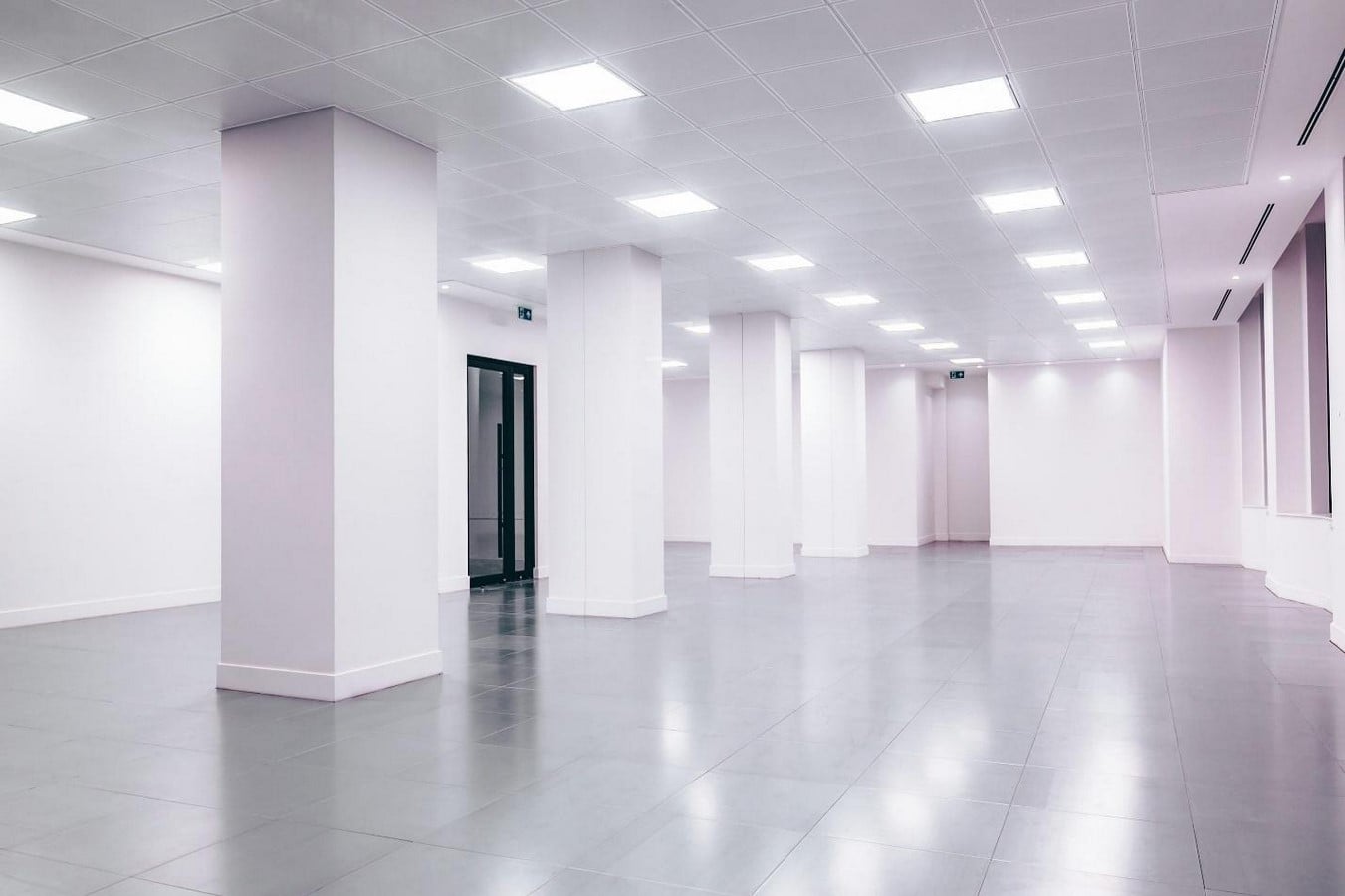
Humans have an innate tendency to move towards light sources, and designers can utilize this to guide movement without ever having to place a sign. Lighting up entrances will indicate that people are getting closer to their destination, and dimly lit hallways will encourage movement. Likewise, lighting accents on doors will make navigation easier for the visitor.
When used in large public buildings such as hotels, hospitals, museums, and office spaces, this will help create a more pleasant experience. Lighting will create hierarchy in a space.
A reception desk, gallery wall, or lobby sculpture can take precedence over the surrounding space. Varying brightness from one zone to the next makes interiors feel organized and intentional.
3. Supports Occupant Wellbeing and Comfort
Light affects more than appearance. It influences alertness, mood, and sleep, which is why wellbeing has become a major part of modern design thinking. In this regard, the U.S. Department of Energy’s Circadian Lighting Pilot Project in a Chicago office building carried out in 2023 provides a good example of this approach. This project shows how well-thought-out light levels, color, and placement could help create healthier indoor environments.
Comfort is also an important aspect to consider. Glare, high contrast, and flicker cause fatigue and distraction, while even lighting ensures comfort. By taking into account the way occupants will use the interior throughout the day, designers can create spaces that are both beautiful and comfortable to stay in.
4. Layers Light to Create Depth and Atmosphere
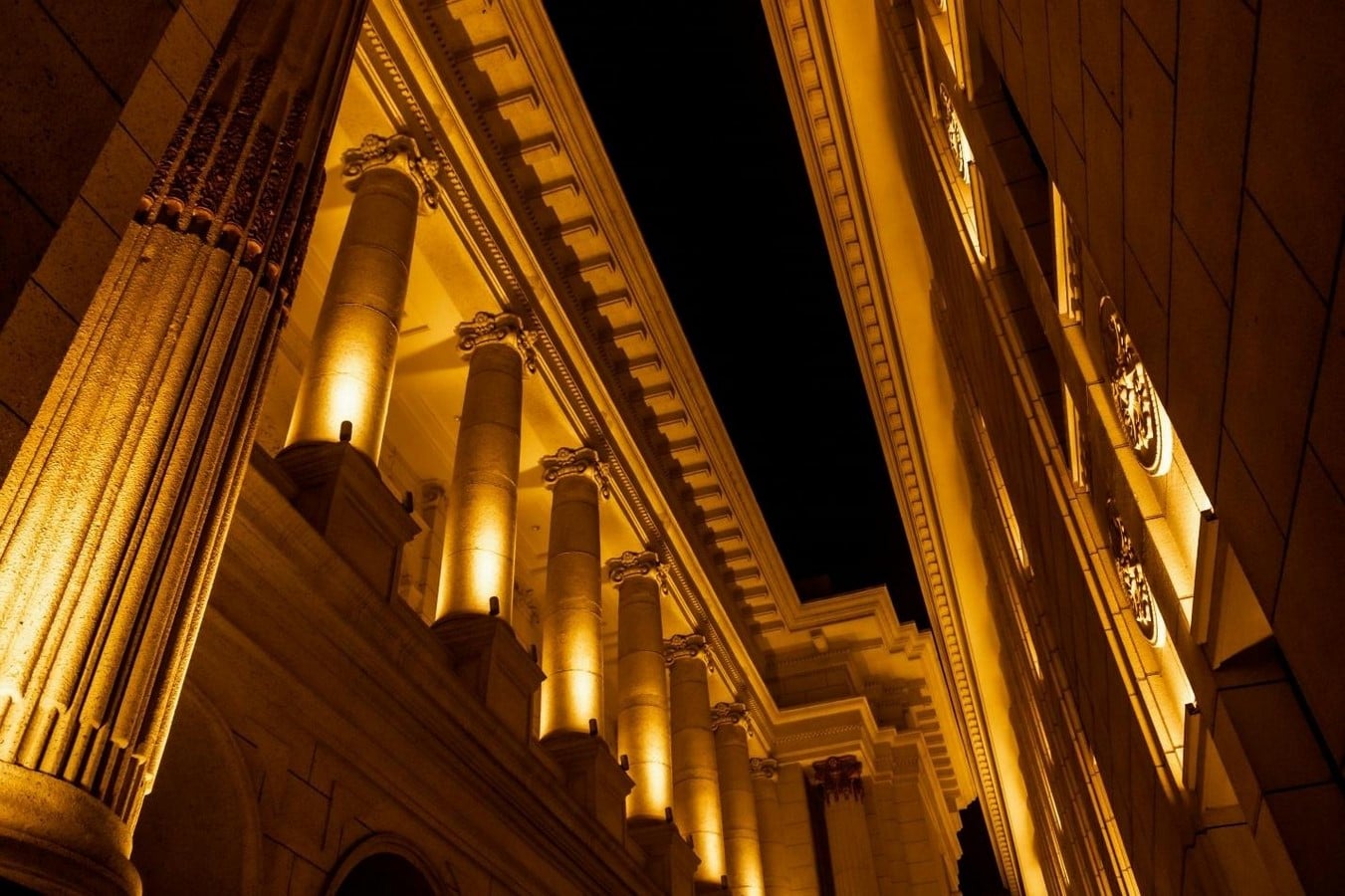
Professional lighting rarely relies on one source. Instead, it combines ambient light for general visibility, task light for focused activities, and accent light for emphasis. Layering these elements allows a single room to serve many purposes and moods. A restaurant can feel bright and energetic at lunch and intimate in the evening, while a lobby can shift from welcoming to dramatic as the day progresses.
Color temperature plays a major role as well. Warm tones create a relaxed, inviting feel, while cooler tones support focus and clarity. Dimming and scene control add flexibility, giving owners the ability to adapt the atmosphere for events, seasons, or changing needs without altering the architecture itself.
5. Balances Beauty with Energy Efficiency
Excellent design and efficient use of energy no longer need to be contradictory concepts. Today’s LED fixtures can offer accurate lighting, long service life, and excellent energy efficiency. Controls can even take things to another level through dimming, scheduling, and response to daylight and occupancy.
The Department of Energy’s tunable lighting workplace studies include 2023 reports and journal research on how occupants respond to advanced lighting, along with energy analysis of how circadian criteria may affect consumption. Their work shows that performance, comfort, and efficiency should be considered together.
6. Works Best When Integrated Early
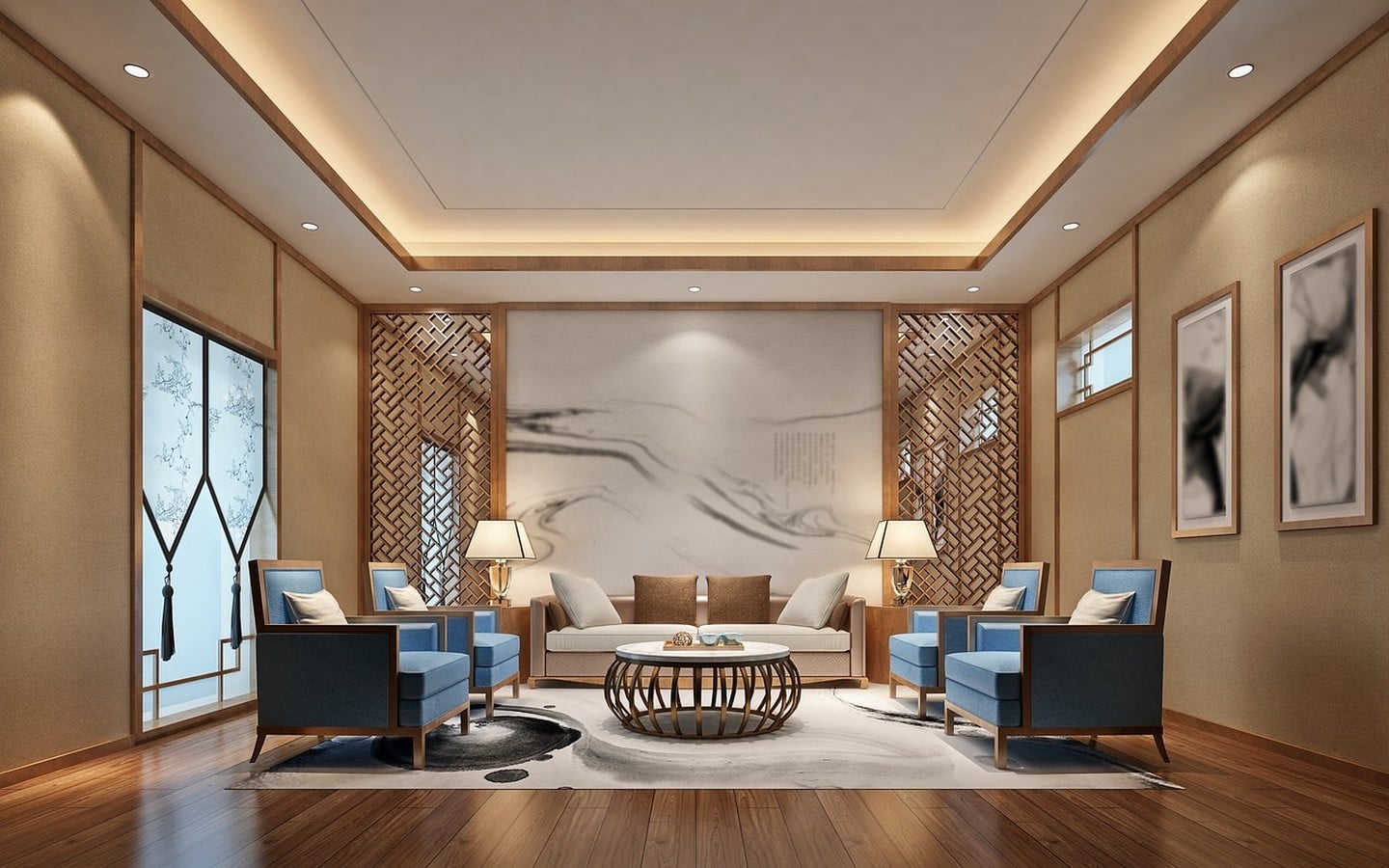
The most successful lighting schemes are planned alongside the architecture, not added once construction is nearly finished. Early collaboration lets designers coordinate with architects, interior designers, and engineers to hide fixtures in coves, ceilings, and joints so the light appears to emerge naturally from the building. It also avoids expensive changes caused by ceiling conflicts, limited power access, or poorly located fixtures.
Exterior design benefits from the same approach. Facade lighting, landscape lighting, and entry lighting should respect surrounding neighbors and limit unnecessary glare and light spill. When everyone shares a common vision from the outset, lighting becomes a seamless part of the building’s identity and delivers a more polished, cohesive result.
Conclusion
The right lighting design does much more than improve visibility. It reveals architectural details, guides movement, supports occupant comfort, creates atmosphere, and helps manage energy use. Its impact is strongest when each lighting decision responds to the building’s design and the needs of the people using it.
By integrating lighting into the architectural planning process, designers and building owners can create spaces that look distinctive, feel comfortable, and function effectively throughout the day and after dark. Treating light as a core design element rather than a finishing touch helps bring a building’s architectural vision to life.