When homeowners embark on renovation projects, their attention naturally gravitates towards the more glamorous aspects of home improvement—sleek kitchens, luxurious bathrooms, or striking feature walls. Yet, whilst these visible upgrades undoubtedly enhance both aesthetics and comfort, one critical element often remains overlooked: the humble gutter system. Though frequently dismissed as a mundane necessity, gutters represent one of the most vital components of your home’s structural integrity. During a renovation, replacing or upgrading your guttering should be considered not merely optional, but essential. This article explores why gutter replacement deserves a prominent place on your renovation checklist and how this investment protects your home for years to come.
Understanding the Critical Role of Gutters
Before delving into the specifics of gutter replacement during renovations, it’s worth appreciating the fundamental purpose these systems serve. Gutters channel rainwater away from your home’s foundations, walls, and landscaping. In the UK, where annual rainfall averages between 800mm and 1,400mm depending on location, this function becomes particularly crucial. Without properly functioning gutters, water cascades directly off your roof, pooling around foundations, seeping into walls, and causing extensive damage that can cost tens of thousands of pounds to rectify.
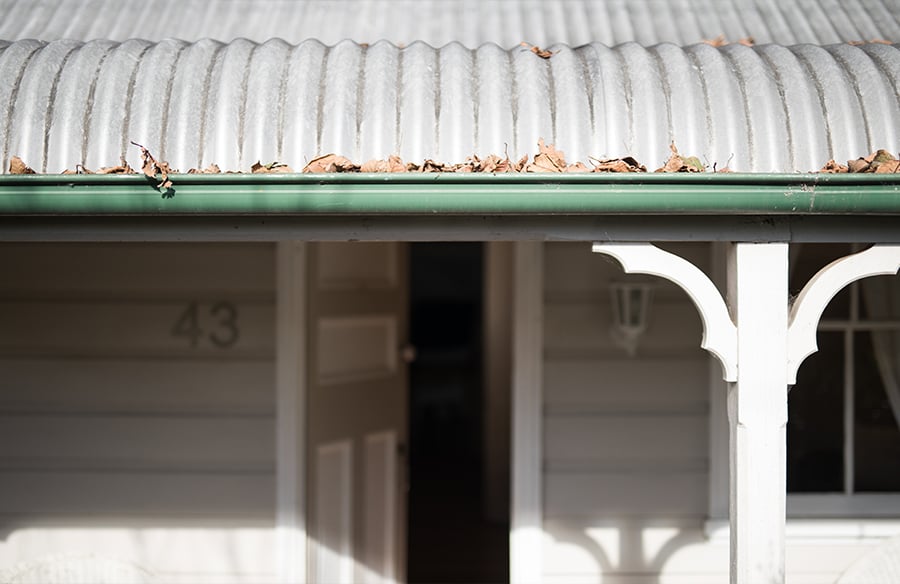
A well-designed gutter system protects against basement flooding, prevents soil erosion around your property, safeguards exterior paintwork and cladding, and maintains the structural integrity of your home’s foundations. When functioning optimally, gutters work silently and invisibly—yet their failure announces itself dramatically through water damage, damp patches, and structural compromises.
Why Renovations Present the Ideal Opportunity
Renovation projects, by their very nature, involve significant disruption to your property. Scaffolding erected for roof repairs or exterior work provides perfect access to gutter systems that might otherwise require separate, costly access arrangements. This convergence of circumstances creates an economically sensible window for gutter assessment and replacement.
Moreover, renovations often involve work that directly impacts or connects with guttering systems. Roof repairs, loft conversions, extensions, or exterior wall treatments all interface with how water drains from your property. Replacing gutters during these projects ensures that your drainage system integrates seamlessly with updated structures, avoiding the awkward retrofitting that might otherwise become necessary.
From a financial perspective, combining gutter replacement with broader renovation work reduces overall labour costs. Tradespeople already engaged on your project can incorporate gutter work into their schedule, eliminating the need for separate call-outs and multiple scaffold hirings. This bundling of services typically results in considerable savings compared to addressing guttering as a standalone project.
Signs Your Gutters Need Replacing
Even if your gutters appear superficially adequate, renovation presents an opportune moment for thorough assessment. Several indicators suggest that replacement, rather than repair, represents the most prudent course of action.
Visible rust, cracks, or holes obviously compromise gutter effectiveness, but subtler signs warrant equal attention. Peeling paint on exterior walls, particularly beneath the roofline, often indicates gutter overflow or leakage. Similarly, water stains on soffits or fascia boards reveal that water isn’t being properly channelled away. Ground-level indicators include eroded landscaping directly beneath gutter lines, pools of water near foundations following rainfall, or basement dampness.
Age alone provides useful guidance. Cast iron gutters, common in period properties, typically last 50-60 years but become increasingly maintenance-intensive as they age. Aluminium gutters generally endure 20-25 years, whilst uPVC systems last 15-20 years under normal conditions. If your gutters approach these lifespans, replacement during renovation prevents future disruption and expense.
Sagging gutters, even without visible damage, indicate bracket failure or accumulated debris weight. Whilst individual bracket replacement might seem sufficient, this symptom often signals broader system degradation. During renovation, comprehensive replacement ensures uniformity and reliability across the entire system.
Material Considerations for Modern Gutter Systems
Contemporary gutter replacement offers choices far beyond traditional cast iron or basic plastic systems. Each material brings distinct advantages suited to different properties and budgets.
uPVC Guttering remains the most popular choice for residential properties due to its affordability, ease of installation, and minimal maintenance requirements. Modern uPVC systems won’t rust, resist weathering effectively, and come in various colours to complement your property’s aesthetic. Whilst less substantial than metal alternatives, quality uPVC guttering performs admirably for standard residential applications.
Aluminium Guttering offers enhanced durability with minimal weight. Resistant to rust and available in numerous colours through powder-coating, aluminium suits contemporary properties and those in coastal areas where salt exposure accelerates corrosion. Though more expensive than uPVC, aluminium’s longevity justifies the investment, particularly during major renovations.
Cast Iron Guttering remains the appropriate choice for listed buildings and period properties where maintaining architectural authenticity matters. Modern cast iron benefits from improved protective coatings that extend lifespan beyond historical examples. However, the material’s weight requires robust fascia boards and brackets, factors to consider during renovation planning.
Copper Guttering represents the premium option, offering exceptional durability and developing an attractive patina over time. Copper suits high-end properties and heritage buildings, though its significant cost restricts widespread adoption. For renovation projects prioritising longevity and aesthetics, copper deserves consideration.
Integration with Broader Renovation Goals
Strategic gutter replacement aligns with various renovation objectives beyond simple functionality. Energy efficiency improvements, for instance, often involve upgraded insulation and roof work. New guttering complements these enhancements by preventing water ingress that compromises insulation effectiveness.
Aesthetic cohesion represents another consideration. Gutters significantly impact your property’s kerb appeal, yet mismatched or deteriorating systems undermine otherwise impressive renovations. Selecting guttering that harmonises with new windows, doors, or cladding creates visual unity that enhances property value.
Sustainability-conscious renovations might incorporate rainwater harvesting systems, which require properly functioning gutters as a prerequisite. Replacing gutters during renovation allows simultaneous installation of water butts or more sophisticated harvesting systems, maximising the environmental benefits of your project.
Professional Assessment and Installation
Whilst DIY enthusiasm serves many renovation tasks admirably, gutter replacement typically warrants professional expertise. Correctly sizing gutters and downpipes requires calculations based on roof area, pitch, and regional rainfall intensity. Undersized systems overflow during heavy rain, whilst oversized guttering appears disproportionate and costs unnecessarily.
Professional installers ensure appropriate fall (gradient) along gutter runs, typically 1:600, which facilitates proper drainage without being visually apparent. They position joints away from vulnerable areas, secure brackets at optimal intervals, and integrate downpipes effectively with existing or new drainage systems.
Moreover, reputable installers provide guarantees covering both materials and workmanship, offering peace of mind alongside your broader renovation investment. This protection proves particularly valuable given guttering’s crucial protective role.
The Cost of Neglect
Postponing gutter replacement during renovation might seem financially prudent initially, but this short-term saving often proves remarkably expensive. Water damage progresses insidiously, with minor dampness escalating into major structural problems. Foundation damage, timber rot, render deterioration, and internal dampness all stem from inadequate rainwater management.
Repairing such damage invariably costs multiples of what gutter replacement would have required. Furthermore, addressing these issues later necessitates additional disruption to recently completed renovation work, potentially damaging new finishes and requiring remedial decoration.
Conclusion
Gutter replacement might lack the immediate visual impact of a stunning kitchen or the comfort enhancement of upgraded heating, yet its importance to your home’s long-term health cannot be overstated. Renovation projects create optimal circumstances for this essential upgrade, offering logistical convenience, cost efficiencies, and the opportunity to integrate modern materials with your property’s renewed condition.
By prioritising gutter replacement alongside more glamorous renovation elements, you protect your entire investment from water damage whilst ensuring your property functions as reliably as it looks impressive. Far from representing an afterthought, new guttering constitutes a foundational element of any comprehensive renovation—one that safeguards your home, enhances its value, and provides decades of maintenance-free performance. When planning your next renovation, give gutters the attention they deserve; your future self will undoubtedly appreciate the foresight.