A kitchen can look beautiful in photographs and still make everyday life unnecessarily complicated. There may be plenty of storage, expensive finishes, and the latest appliances, yet preparing a healthy breakfast feels like a chore. The problem often isn’t the kitchen itself, but how it supports the people using it.
This is where the wellness kitchen comes in. Rather than treating the kitchen as simply a place to cook, homeowners and designers are rethinking it as a space that supports healthier habits, reduces daily friction, and makes ordinary routines more enjoyable.
For entrepreneurs in the home, lifestyle, and wellness industries, this shift also presents an opportunity. Consumers increasingly look for products and spaces that deliver practical value alongside visual appeal. Understanding what makes a wellness kitchen work can help brands create more relevant content, connect with customers’ needs, and turn inspiration into purchasing decisions.
1. What Is a Wellness Kitchen, and Why Does It Matter?
A wellness kitchen is designed around the relationship between the physical environment and everyday habits. It brings together practical layouts, comfortable lighting, thoughtful material choices, and convenient access to ingredients and appliances.
The concept isn’t about creating a perfect, expensive interior. It’s about making the healthier choice easier to make.
Consider two different kitchens. In one, fresh fruit is hidden in a drawer, the blender is difficult to reach, and the countertop is crowded with appliances. In the other, ingredients are easy to find, preparation areas are organized, and frequently used tools are accessible. The second kitchen removes small obstacles that might otherwise discourage someone from preparing a meal at home.
These details matter because daily habits are often shaped by convenience. When preparing breakfast takes less effort, people may be more inclined to make time for it. When storage is intuitive, ingredients are easier to manage. And when the kitchen feels inviting, spending time there can become more enjoyable.
Natural light, good ventilation, durable surfaces, and materials such as wood and stone can further contribute to a comfortable environment. However, wellness isn’t determined by aesthetics alone. A visually appealing kitchen must also work for the people who live in it.
For businesses, this creates an important content opportunity: instead of promoting isolated products, brands can show how their offerings contribute to a more useful, comfortable, and enjoyable home.
2. Designing a Kitchen That Makes Healthy Eating Easier
Healthy intentions often meet their biggest challenge during a busy morning. Between preparing for work, answering messages, and getting everyone out the door, even a simple breakfast can feel like one task too many.
Thoughtful kitchen design can reduce that friction.
Start with the layout. Preparation areas should provide enough room to wash, chop, mix, and serve food without constantly moving items around. Frequently used ingredients should be easy to access, while pantry shelves and refrigerators should be organized so that fresh produce doesn’t disappear behind less frequently used products.
Storage also influences how efficiently a kitchen functions. Deep drawers, adjustable shelving, and clearly defined storage zones help keep ingredients and utensils organized. Keeping everyday essentials within reach can save time, especially in compact apartments where every centimeter matters.
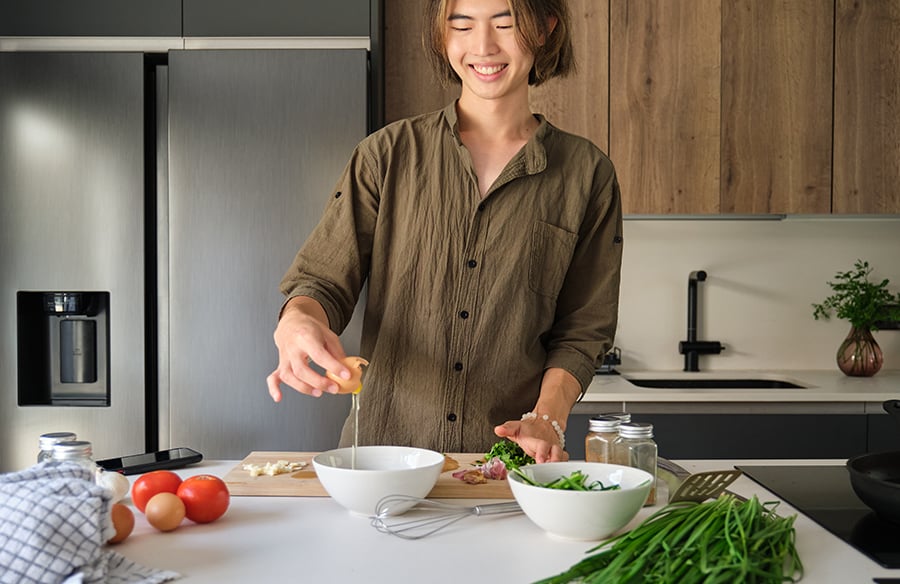
Another useful idea is to create a dedicated breakfast station. It doesn’t need to occupy an entire countertop. A small area with cups, cutting boards, fresh fruit, and one or two regularly used appliances may be enough.
For households that enjoy fresh juices, this station could include a slow juicer. Instead of storing it in a distant cupboard, homeowners can position it where preparation and cleanup are convenient. The surrounding space can accommodate produce and reusable containers without interfering with other kitchen activities.
The key is to design around actual behavior rather than an imagined lifestyle. An appliance used every morning deserves a different place from one used once a month.
This principle applies to any kitchen, regardless of its size or budget. Reorganizing a few shelves, improving countertop access, or establishing a dedicated preparation area can make healthy routines feel more manageable without requiring a complete renovation.
3. The Role of Appliances in a Wellness-Focused Kitchen
Modern kitchen appliances promise convenience, but buying more of them doesn’t necessarily make everyday life easier. The real question is whether a product fits the household’s needs, available space, and routine.
A useful starting point is to consider function before appearance. How often will the appliance be used? Is it easy to clean? Does it fit comfortably on the countertop? Can it be stored without making everyday preparation inconvenient? For those exploring plant-based alternatives, a nut milk machine guide can also help clarify which features to consider when choosing an appliance for making homemade almond, oat, or cashew milk.
These questions are particularly relevant when choosing appliances for a wellness kitchen. Blenders, juicers, food processors, and other preparation tools can support different routines, but their value depends on how well they fit into daily life.
Take the slow juicer as an example. For someone who enjoys incorporating freshly prepared fruit and vegetable juices into breakfast, it may become a regular part of the morning routine. Another household might prefer a blender for smoothies or choose not to purchase either appliance. There is no universal solution; the best choice is the one that genuinely serves the user.
Design matters, too. Appliances with proportions, colors, and finishes that complement the surrounding cabinetry can feel like intentional elements of the interior rather than visual distractions. At the same time, a stylish product should remain practical to operate, clean, and maintain.
Entrepreneurs selling kitchen products can use this combination of function and design to create more compelling product stories. Instead of relying on a list of technical specifications, content can demonstrate how an appliance fits into a real home.
For example, a product page might show a juicer positioned in a compact breakfast station, explain how much counter space it requires, and describe the cleaning routine. A short video could follow someone preparing breakfast in a small apartment kitchen.
This approach answers questions customers may have before purchasing: Will it fit? Will I actually use it? Will it make my routine easier?
When content addresses these concerns honestly, it helps customers make informed decisions and gives them a clearer reason to consider the product.
4. Creating a Calm, Sustainable, and Clutter-Free Kitchen
A wellness kitchen should support more than food preparation. It should also feel like a space where people can slow down, focus, and enjoy everyday activities.
Visual clutter can make even a spacious kitchen feel difficult to manage. Too many items on the countertop compete for attention and reduce the available preparation area. A more intentional arrangement can create a sense of order without making the room feel sterile.
Start by deciding which items deserve a permanent place on the counter. Everyday essentials can remain accessible, while occasional-use appliances can be stored in cabinets. Matching containers, drawer organizers, and clearly defined storage areas can help maintain consistency.
Materials and lighting also influence the atmosphere. Natural wood introduces warmth, while stone and other durable surfaces can provide a practical foundation for food preparation. Under-cabinet lighting helps illuminate work areas, and natural light can make the room feel more open. Plants or a small herb garden may add a touch of greenery without taking up much space.
Sustainability is another consideration. Durable materials, energy-efficient appliances, reusable storage containers, and thoughtful food planning can help reduce unnecessary waste. Buying fewer, better-suited products may also be more practical than continually replacing appliances that don’t meet household needs.
For brands, these ideas offer opportunities to create educational content that extends beyond product promotion. Guides to organizing small kitchens, choosing durable materials, or reducing food waste can attract readers who are researching solutions to everyday problems.
The most effective message is not that consumers need to buy more to achieve a wellness-focused home. It’s that carefully chosen products and thoughtful design can help them use their space more effectively.
Conclusion: Small Design Choices, Better Everyday Routines
The wellness kitchen reflects a simple idea: the spaces we use every day should make our lives easier, not more complicated. A functional layout, accessible ingredients, appropriate appliances, and thoughtful storage can all help create an environment that supports healthier habits.
Achieving this doesn’t require a luxury renovation or a complete collection of new gadgets. Sometimes, moving an appliance, reorganizing a pantry, or creating a dedicated breakfast station is enough to improve how a kitchen works.
For entrepreneurs, the same principle offers a valuable lesson in marketing. Customers don’t simply buy products; they look for solutions that fit their routines and priorities. Content that demonstrates those solutions through practical advice, relatable examples, and realistic scenarios can build trust while helping customers understand a product’s value.
Ultimately, a successful wellness kitchen is not the one that looks perfect in a photograph. It’s the one that works beautifully in everyday life.