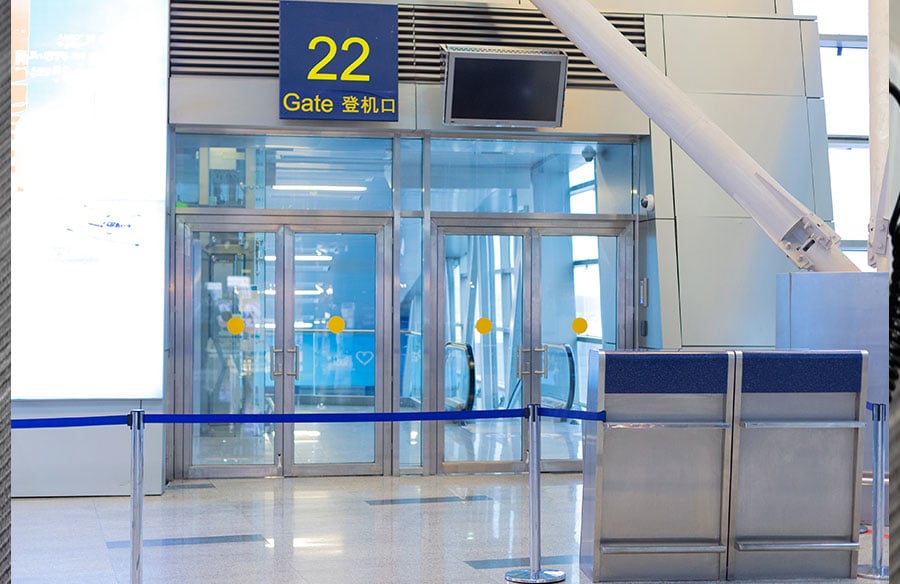
Facilities that operate around the clock need entry systems that remain secure, practical and reliable regardless of the time of day. Whether you manage a warehouse, mining site, supermarket, government facility or commercial building, controlled entry should regulate vehicle and pedestrian movement without creating unnecessary delays. Effective design depends on understanding who needs access, when they need it and how each entry point should respond under normal, emergency and after-hours conditions.
Assess Access Requirements Before Installation
Before choosing equipment, you should map every vehicle and pedestrian entry point and identify the people authorised to use each one. Staff, contractors, delivery drivers, visitors and emergency personnel may all require different levels of access. Mapping these requirements helps you determine where automated gates, pedestrian barriers, card readers or monitored entry points are most appropriate.
Working with experienced providers such as Rotech Australia pedestrian access and security solutions specialists can also help you assess how different access technologies may work together across a continuously operating site. Your design should account for peak traffic periods, overnight access, shift changes and areas requiring higher levels of security.
Separate Vehicle and Pedestrian Movement
You should design vehicle and pedestrian access as separate systems wherever practical. Mixing foot traffic with cars, trucks or site machinery can increase congestion and create unnecessary safety risks, particularly at facilities that operate continuously.
Vehicle access may use boom gates, automated sliding gates or controlled barriers, while pedestrian areas may incorporate turnstiles, security gates or designated access doors. Physical separation also makes it easier to monitor movements and establish clear traffic routes through the facility.
Use Reliable Access Control Technology
A 24-hour facility depends heavily on technology that can function consistently without constant manual supervision. Access control systems can authenticate users through swipe cards, proximity credentials, keypads or other electronic identification methods before allowing entry.
Your system should also provide a reliable method for controlling gates, doors and barriers once authorised access is confirmed. Gate motors, safety sensors and automatic openers need to be suitable for the expected operating frequency. Equipment designed for occasional use may not perform adequately where hundreds of entry cycles occur every day.
Build Safety Into Every Entry Point
Controlled entry should improve security without compromising safety. Automated barriers and gates should incorporate safety sensors capable of detecting vehicles, pedestrians or obstructions within their operating area. These devices can reduce the risk of gates closing while something remains in their movement path.
You should also consider visibility, lighting and clear signage around each entry point. Overnight operation can make poorly illuminated barriers or pedestrian routes harder to recognise. Adequate lighting supports safe movement while also improving conditions for security monitoring.
Plan for Failures and Emergency Access
Even reliable access systems can experience power interruptions, equipment faults or communication failures. Your design should therefore include procedures for maintaining essential access when normal automated systems are unavailable.
Depending on the site, this may involve manual gate release mechanisms, backup power supplies or alternative authorised entry methods. These contingencies also help prevent a single point of failure from leaving an important entrance unusable. Emergency services must be able to reach required areas without being delayed by access controls. Designing these measures from the beginning helps prevent a technical failure from becoming an operational or safety issue.
Monitor and Review Access Activity
Continuous operation generates a large amount of entry activity, so monitoring should form part of your overall design. Access logs can record when credentials are used, while security cameras and intercom systems can provide additional verification where required.
You should periodically review access permissions as staff, contractors and operational requirements change. Removing outdated credentials and adjusting permissions helps maintain effective control rather than allowing unnecessary access to accumulate over time.
Creating Secure Access Around the Clock
Designing controlled entry for a 24-hour facility requires you to balance security, safety and operational efficiency. By separating traffic flows, selecting equipment suited to continuous use, incorporating safety measures and preparing for system failures, you can create an entry environment that supports uninterrupted operations while maintaining appropriate control over who and what enters your site.