When buyers pull up to a house, they form an opinion before they ever reach the front door. The yard is the first thing they see, and it quietly tells them how the rest of the property has been treated. That is why landscaping is one of the few home improvements that can pay for itself and then some, instead of slowly losing value the way a trendy kitchen does.
Done well, professional landscaping design can lift a property’s value by anywhere from 5 to 20 percent. It works on several fronts at once: sharper curb appeal, more usable outdoor space, lower running costs, and plantings that grow more valuable every year. Whether you are prepping to sell or investing in Austin landscape design contractors for the long haul, here is how a thoughtful exterior turns into real dollars.
1. Curb Appeal Sets the Price
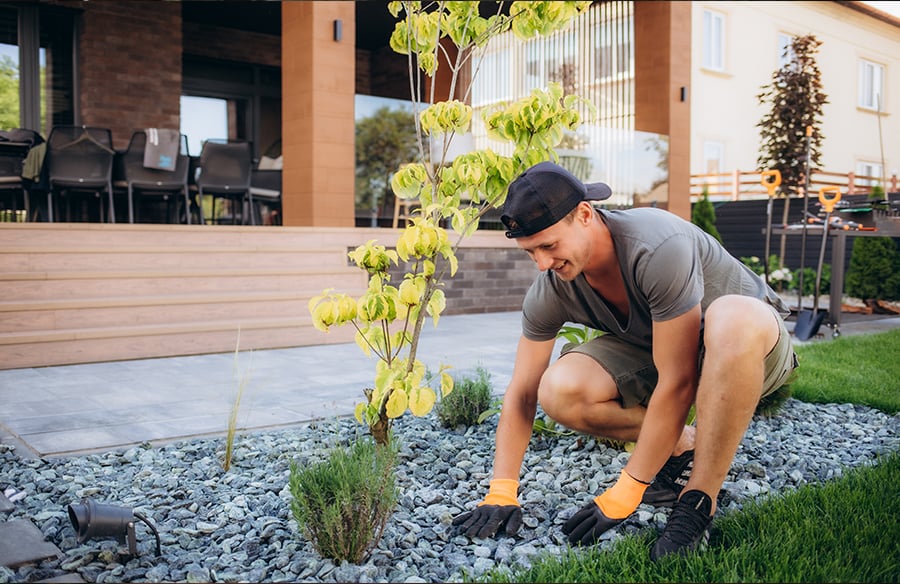
Curb appeal is not just a design buzzword. It is a measurable driver of value because the exterior acts as a preview of the whole home. Appraisal data shows that strong curb appeal can raise a home’s perceived value by 7 to 12 percent compared with an identical house that has a neglected yard.
A polished exterior also signals care. It tells buyers the owners have stayed on top of upkeep, which quiets worries about hidden problems before anyone steps inside. Homes framed by clean lines, structured beds, and mature planting also stand out in online listings, and more clicks lead to more showings and fewer days on the market.
2. Outdoor Living Adds Usable Square Footage
Today’s buyers do not see the backyard as a patch of grass to mow. They see it as extra living space, and good design makes that space real. Patios, pergolas, and built-in fire features turn unused turf into functional outdoor rooms that people actually spend time in.
Upscale touches take that further. An outdoor kitchen, stone seating walls, or zoned lighting push a home into a higher price tier and help justify a higher asking price per square foot. These are the features buyers picture themselves using, and that emotional pull often nudges the final offer higher.
3. Lower Running Costs Win Buyers Over
Smart buyers look past the sticker price to the cost of owning a home month after month, and a well-planned landscape trims those bills. Placing mature shade trees on the south and west sides of a house blocks harsh summer sun and can lower cooling costs by up to 25 percent, while bare winter branches still let warming light through.
Water efficiency matters just as much. Native plant palettes and smart, weather-connected drip irrigation shield the next owner from rising municipal water rates and drought restrictions, which is a real selling point across the hot, dry regions of the U.S.
Which Projects Return the Most
Not every outdoor dollar comes back the same way. National cost-versus-value tracking points to a few clear standouts:
- Basic landscape refresh. Fresh mulch, pruned shrubs, and native perennials often recover 100 percent or more of their cost through the curb-appeal boost alone.
- Smart irrigation. A cloud-connected system with drip loops typically returns 85 to 100 percent by cutting the utility overhead a buyer will inherit.
- Paver or flagstone patio. Structured outdoor living space recovers roughly 70 to 85 percent by expanding functional square footage.
- Shade and privacy trees. Trees can return well over 100 percent, since they keep appreciating as they mature.
4. An Asset That Grows in Value
Most interior upgrades start losing value the day they are finished. A remodeled kitchen slowly goes out of style, and last year’s paint color fades. Landscaping is one of the rare categories that does the opposite.
A canopy tree planted for a few hundred dollars matures into shade, privacy, and structure worth far more than its original price. A fully grown landscape also cannot be copied overnight. It takes years to establish, which makes a mature design a scarce, sought-after feature when the property finally hits the market.
Conclusion
A professional landscape is not just decoration. It is an investment that raises curb appeal, adds usable space, lowers ownership costs, and appreciates as it grows.
Pair the right plants with efficient irrigation and a design built for the local climate, and you create an asset that keeps paying you back, whether you sell next spring or stay put for the next twenty years.