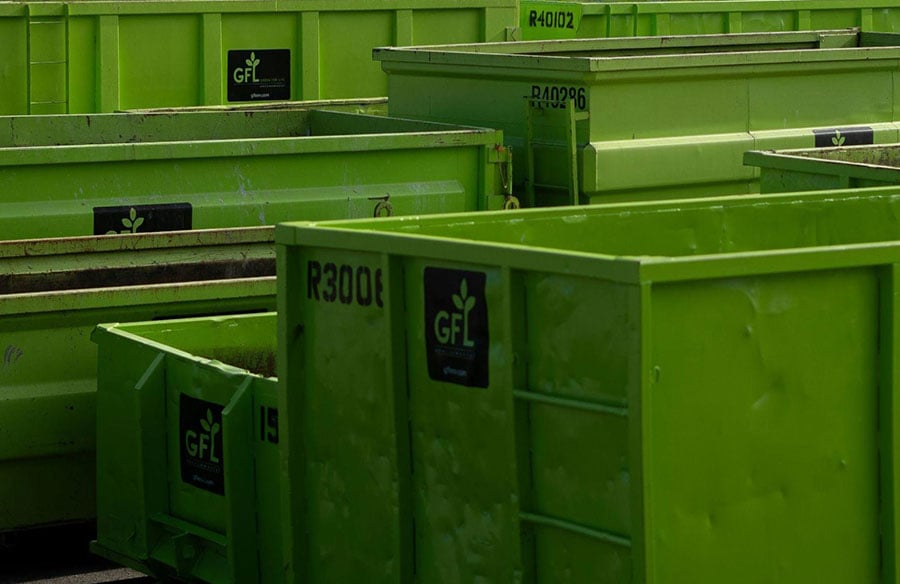
A dumpster quote is rarely the final number, and that is not because anyone is hiding anything. It is because most quotes cover a set weight allowance, a set number of days, and a set list of materials.
Go past any of those three and the price moves. This guide covers how each charge works, how to estimate your load before booking, and which materials cannot go in a mixed can at all.
Key Takeaways
- Your rental includes a tonnage allowance, not unlimited weight, and larger cans typically carry a larger allowance.
- Rental periods are finite, and days beyond the included window are billed at a daily rate.
- Prohibited items can trigger extra fees, fines, or a refused haul, which means a wasted trip for everyone.
- Heavy materials like concrete and dirt need their own dedicated dumpster and cannot be mixed with general debris.
- Volume and weight are separate limits, so the right size depends on what you are throwing away rather than how much of it there is.
Charge one: going over the weight allowance
Every roll-off comes with a tonnage allowance built into the price, and it scales with the size of the can.
A 15-yard typically includes around one ton, a 20-yard around two, a 30-yard around three, and a 40-yard around four.
Anything above that allowance is billed per additional ton. This is the charge that surprises people most, because a can that looks half empty can already be at its limit.
Dense material is the reason. A dumpster full of light household junk may never reach its allowance, while the same can half-filled with tile or plaster can blow straight through it.
How to estimate weight before you book
You do not need precision, just an order of magnitude. Sort what you are throwing out into light, medium, and heavy, then be honest about which dominates.
Light means furniture, cardboard, insulation, and general household clutter. Medium covers lumber, drywall, and yard waste, while heavy means tile, plaster, masonry, soil, and anything that was once part of a floor or a wall.
Roofing deserves its own mention because tear-offs are far heavier than they look. If the roof has more than one layer of shingles, you are removing at least twice the weight you first estimated.
Charge two: keeping it too long
Rental periods are finite, and most include a window of around ten days, with a daily rate after that.
The fee is usually modest, but it accumulates quietly while the can sits waiting for a subcontractor who has not shown up.
The fix is scheduling rather than negotiation. Book the drop for the day you actually start filling, not the day you start planning, and call for the pickup as soon as you are done rather than at the end of the window.
Charge three: putting the wrong thing in
This is the one that costs more than money. Prohibited items can result in additional fees, fines, or a refusal to haul the load, which means the can stays on your driveway until it is sorted.
The banned list is consistent across the industry for good reason. Paint, solvents, oil, gasoline, chemicals, pesticides, batteries, tires, asbestos, medical and liquid waste, and anything containing Freon are all excluded because they cannot go to a standard landfill.
Appliances are the item people get wrong most often. A washing machine or an oven is usually fine, while a fridge or an air conditioning unit is not, because of the refrigerant inside it.
The heavy material rule
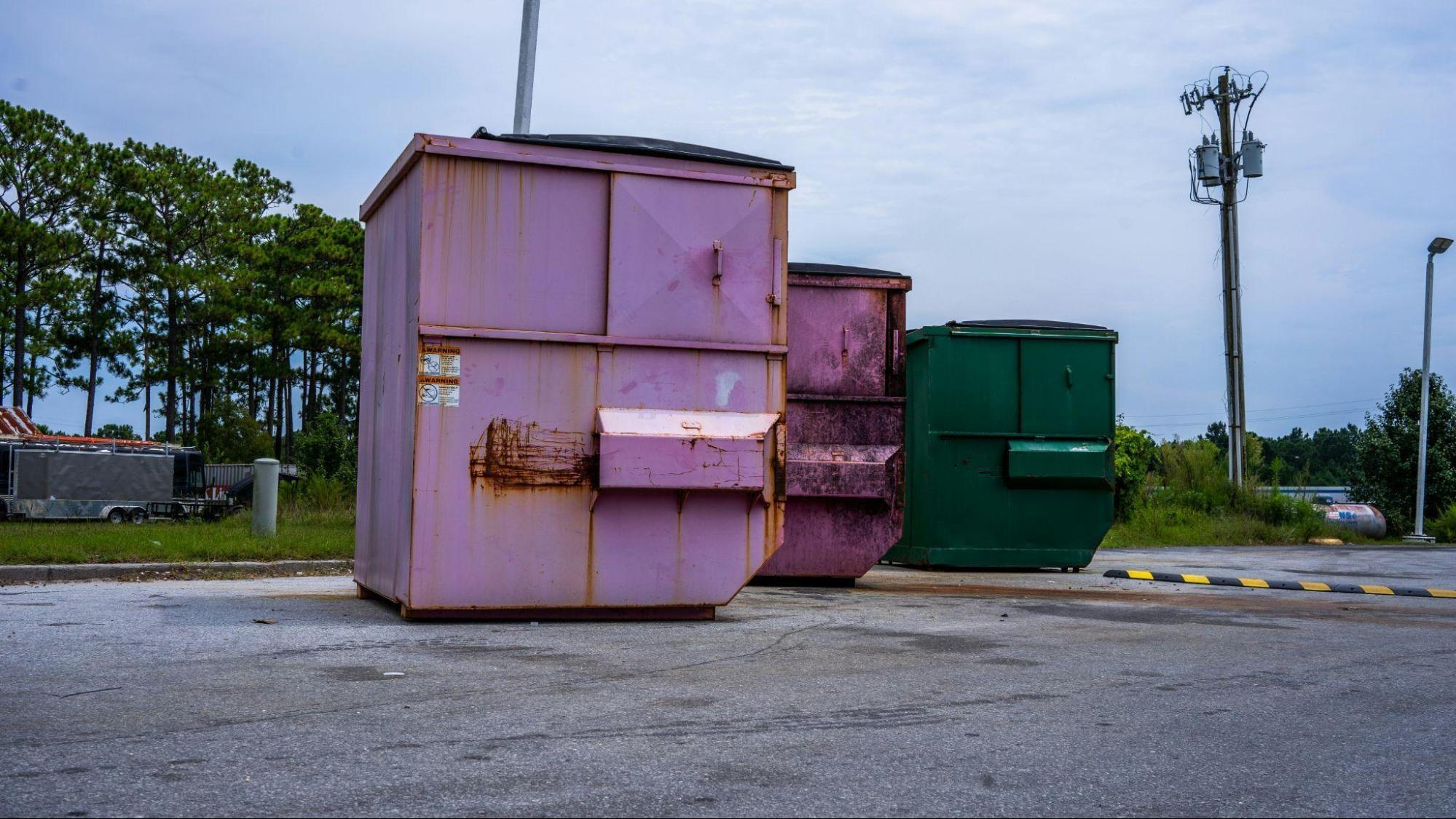 Concrete, dirt, sand, gravel, brick, and masonry are handled differently from everything else. They go in a dedicated dumpster; they cannot be mixed with general debris, and usually only one type of heavy material is allowed per can.
This is a disposal requirement rather than a preference. Clean concrete and clean fill go to different facilities than mixed construction waste, and a contaminated load loses that recycling route.
The upside is that dedicated heavy loads are often priced as a flat haul rate rather than by tonnage. If you are demolishing a patio, that flat rate is almost always cheaper than paying overage on a mixed can.
Size for weight, not just volume
The instinct is to order the biggest can available and stop worrying. That solves volume and does nothing for weight, since a bigger dumpster brings a bigger allowance but not an unlimited one.
Think about the two limits separately. Bulky and light means order for volume, while dense and heavy means order for weight, and expect to fill less of the box than you imagined.
Getting a quote that holds
The quality of your quote depends on your description. Tell the operator what is going in the can, roughly how much, where the drop is going, and how long you need it.
Local operators who publish their terms make this easier to plan.
CFL Dumpsters lists tonnage allowances, per-ton overage rates, rental windows, and daily extension rates for each size on its site, along with the full accepted and prohibited material lists, which lets you check your project against the terms before calling.
Ask about placement while you are at it. Driveways and job sites are standard, but the truck needs clearance to get in and to tip the can up, so mention any tight access when you book.
Conclusion
The cheapest dumpster rental is the one you sized the first time correctly. Estimate your weight honestly, book the delivery for the day you actually start, keep prohibited items out, and put heavy materials in their own can.
Do those four things and the quote is the price. Skip them, and you find out about the other three charges on the invoice.
Frequently Asked Questions
What happens if I go over the weight limit on a dumpster?
You are billed for the additional tonnage at a per-ton rate on top of the base price. The allowance is included in the quote, so anything beyond it is an extra line item rather than a penalty.
How long can I keep a rented dumpster?
Most rentals include a set window of around ten days, with a daily charge after that. Call for pickup as soon as you are finished rather than letting the can sit.
Can I put concrete in a regular dumpster?
No. Concrete, dirt, brick, and similar heavy materials need a dedicated dumpster and generally cannot be mixed with each other or with general debris.
Can I throw away appliances?
Most appliances are fine, but anything containing Freon is not, which rules out refrigerators and air conditioning units. Those need separate refrigerant recovery before disposal.
What size dumpster do I need?
It depends on whether your waste is bulky or dense. Light bulky material means size for volume, while heavy material like tile or masonry means size for weight, and accept that the can will look underfilled.
How far ahead should I book a dumpster?
Two to three days is usually comfortable, and same-day delivery is often possible depending on the schedule. Booking early matters more during storm cleanups and busy construction periods.