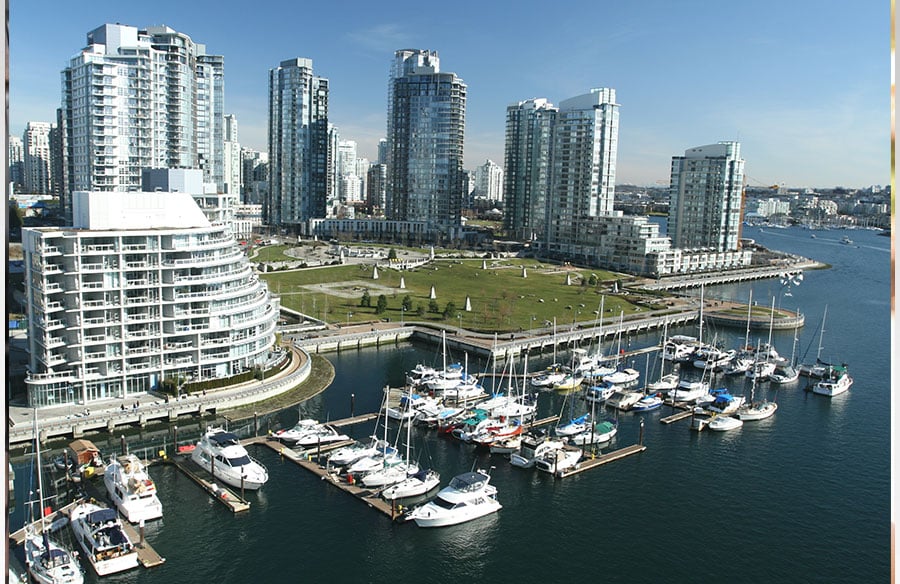
Waterfront residences can improve everyday comfort while contributing to a measured property strategy. Open views, natural light, public walkways, and nearby services may support better rest and easier routines. These homes can also attract tenants and future buyers who value access, scenery, and convenience. Results depend on location, purchase cost, building care, and local demand. A careful review helps households weigh personal wellbeing against rental income and possible resale growth.
Choosing a Well-Placed Home
Property seekers usually assess transport, services, schools, and access to employment before comparing layouts. The D Wharf Residence offers a useful example of a residence positioned for occupants who value water views without giving up urban convenience. That combination can appeal to professionals, families, older residents, and landlords. Location influences commuting time, tenant enquiries, resale interest, and daily satisfaction, so it deserves more weight than a striking brochure image.
Daily Comfort Beside Water
A broad water view can make a home feel less enclosed after a demanding day. Sunlight entering living areas may also reduce reliance on artificial lighting during daytime hours. Many occupants value balconies, planted grounds, walking paths, and shared recreation spaces. These features support reading, gentle exercise, family activities, or quiet recovery. For people spending long periods indoors, the surrounding setting can influence mood and perceived comfort.
Access Supports Active Routines
Nearby cafés, clinics, schools, offices, and shops can shorten routine journeys. Less time spent commuting may leave more room for sleep, exercise, domestic tasks, or social contact. Promenades and open-air paths may encourage regular walking, which supports cardiovascular health and mobility. Beautiful scenery cannot offset poor access, heavy traffic, or limited services. Practical convenience remains central to residential quality.
H3: Appeal Across Resident Groups
Different households assess the same property through different needs. Young professionals may prioritise rail links, dining options, and access for flexible work. Families often examine school quality, room sizes, security, and storage. Older occupants may value lifts, medical facilities, low noise, and manageable maintenance more. A residence serving several groups can retain wider interest during leasing or resale, reducing reliance on one narrow audience.
Rental Demand and Tenant Fit
A waterside address may attract tenants seeking convenience with a calmer residential setting. Employees could prefer homes near commercial districts, while students and couples may focus on food outlets, transport, and leisure facilities. Landlords should examine local rents, vacancy duration, unit sizes, and competing buildings. Furnishing can improve presentation, but sensible pricing usually has a stronger effect on enquiry levels and occupancy.
Resale Potential and Market Signals
Future pricing reflects several measurable factors. Population growth, transport upgrades, employment centres, public facilities, and competing supply can all affect buyer interest. A distinctive setting may help a residence stand apart, but scenery alone cannot ensure capital growth. Owners should compare recent transactions, occupancy patterns, maintenance quality, and planned construction. Several indicators offer firmer guidance than promotional claims or short-term market excitement.
Costs That Shape Returns
The purchase price represents only one financial commitment. Buyers should calculate loan interest, legal charges, taxes, insurance, furnishing, repairs, and monthly management fees. Rental owners also need allowances for empty periods, agency charges, maintenance visits, and tenant changes. A written budget can show how much is needed to cover recurring outgoings. Clear figures help households avoid taking on debt that their actual cash flow cannot comfortably support.
Building Management and Facilities
Effective management protects both the resident experience and physical condition. Clean corridors, reliable lifts, secure entrances, and timely repairs can encourage longer tenancies. Recreation areas also require regular funding, making monthly charges important during assessment. Buyers should request management records, sinking fund details, planned works, and house rules. These documents may reveal future expenses, service weaknesses, or restrictions affecting leasing and resale.
Balancing Lifestyle With Investment
A suitable home should meet its intended purpose before expected financial gains enter the discussion. Owner-occupiers may accept a lower rental yield because comfort, privacy, and reduced travel carry meaningful value. Investors may focus more closely on cash flow, tenant demand, financing terms, and exit timing. Defining the primary goal early creates a clearer comparison between views, floor area, access, fees, and potential income.
Practical Checks Before Purchase
Prospective owners should inspect the property in the morning, afternoon, and evening periods. Light levels, traffic noise, nearby activity, parking pressure, and ventilation can change noticeably throughout the day. Reviewing title information, developer records, building age, service charges, and insurance arrangements also proves useful. Residents, agents, lenders, and independent advisers may offer different observations. Several informed views can expose details missed during one brief inspection.
Conclusion
Waterfront residences can support a comfortable routine and a well-thought-out property plan. Open surroundings, accessible services, and broad tenant appeal may strengthen their practical value. Financial performance still depends on entry price, operating costs, local demand, and building standards. Buyers who inspect conditions, compare evidence, and define priorities can make sounder decisions. The strongest choice usually connects personal needs with realistic figures, rather than relying on scenery alone.