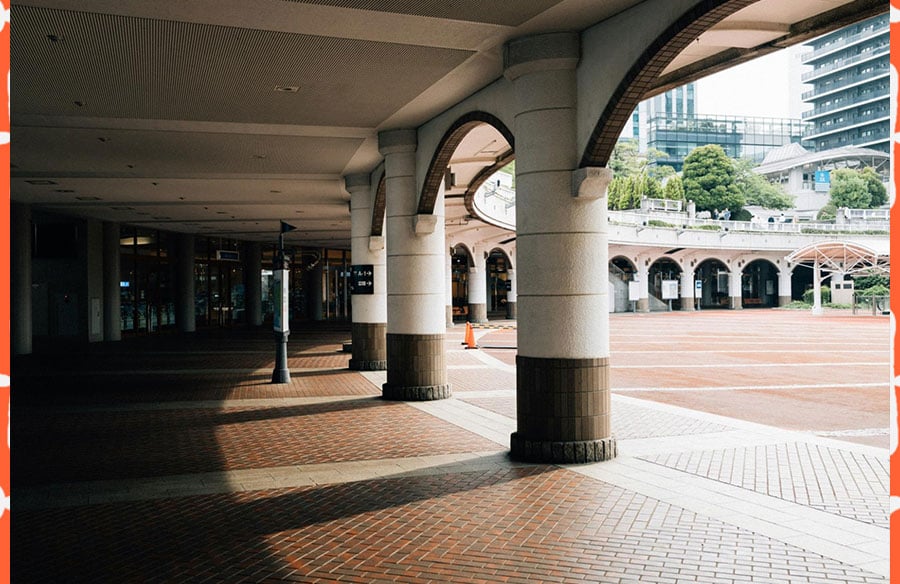
The best public spaces just feel right, don’t they? They’re like a natural extension of a city’s vibe, really bringing the urban landscape to life. These aren’t just empty spots between buildings; they’re the parks, plazas, and squares where community life actually happens. Smart urban design takes these areas from being mere backdrops and turns them into active, responsive environments that truly meet what people need. It’s a design philosophy that puts people first, using technology and thoughtful planning to create spaces that are not only beautiful but also super functional, welcoming to everyone, and safe.
Evolution of Urban Environments
For ages, city squares and parks were often designed as grand symbols of power or simply as open, practical spaces. The main focus was on looking impressive or just serving a basic purpose, without much thought for how people would actually experience them day-to-day. But the modern evolution of urban design has totally flipped this idea. Today, planners and architects know that a public space is only truly successful if people use it and feel good in it.
This shift comes from understanding more about how people tick and how much we benefit from connecting with each other. Plus, new technologies make it possible to create designs that are much more flexible and responsive. Instead of rigid, unchanging layouts, we’re now seeing adaptable spaces with furniture you can move, pop-up installations, and infrastructure that supports all sorts of activities, from quiet relaxation to bustling farmers’ markets.
Designing for Citizen Experience
At its heart, smart urban design is all about crafting great experiences. This means really digging into the fundamental principles and strategies that make a place feel inviting and engaging. It’s not just about adding a few benches; it’s about building an environment that encourages people to stick around, connect, and feel like the space belongs to them.
Here are some key ingredients:
- Human-Scale Design: Making sure buildings, walkways, and seating are sized so people feel comfortable, not tiny or overwhelmed.
- Multi-Use Functionality: Creating spaces that can do different things throughout the day or year. Think of a plaza that’s packed with lunch crowds on weekdays and hosts cultural festivals on weekends.
- Green Integration: Weaving nature right into the city with parks, green roofs, and vertical gardens. These not only clean the air but also give us a mental boost.
- Accessibility: Designing for absolutely everyone, no matter their age or physical ability. That means ramps, clear signs, and bumpy paving for those who need it.
Seamless Movement in Urban Hubs
A well-designed public space lets people move through it easily and naturally. Smart design smooths out how pedestrians flow, reduces clashes with cars, and makes sure there are clear, safe paths to public transport and nearby buildings. This is super important in places with mixed uses, where public plazas connect to libraries, community centers, or shops. Figuring out how people enter and exit these connected spots is a big part of the overall design.
Modern solutions for physical access control help manage this flow without putting up ugly barriers or creating long queues. For example, someone might use one card or a phone app to get into a recreation center, book a room, and grab a locker. All the while, the system makes sure only authorized folks can get into specific areas. This creates a secure environment that still feels open and welcoming, blending how buildings are managed with the public areas around them.
Data-Driven Public Space Management
The “smart” part of smart urban design often comes down to using data to make public spaces better. By putting in sensors and analyzing the information, city managers can get a really clear picture of how these areas are actually working. This isn’t about spying; it’s about understanding patterns so we can serve the community better.
For instance, sensors that track foot traffic can show which paths are most popular. This helps decide where to add lights, benches, or trash cans. Environmental sensors can check air quality and noise levels, helping planners tackle pollution. Even smart waste bins that send alerts when they’re full help keep things cleaner and make maintenance more efficient. This data-driven approach means public spaces can keep getting better, growing right along with the communities they serve.
Ultimately, smart urban design is all about committing to putting people first. It mixes good looks with practicality and technology with human needs to create public spaces that aren’t just places you pass through, but destinations you actually want to be in.