Key Takeaways
- Heat waves make air conditioners run longer, which increases strain on major components.
- Clean filters, open vents, shade windows, and steady thermostat settings can improve comfort.
- Warm air, weak airflow, leaks, electrical smells, and repeated cycling are warning signs that should not be ignored.
- Preparing before extreme temperatures arrive is safer and usually less stressful than waiting for a breakdown.
During an extended heat wave, home cooling systems face conditions very different from those on an ordinary warm day. A unit that normally keeps up may run for hours without a break, and homeowners may need dependable Gilbert, AZ AC repair if the system cannot maintain a safe, comfortable indoor temperature. Good preparation helps reduce surprises. Small tasks, including replacing a clogged filter, clearing the outdoor unit, and closing window coverings early, can reduce unnecessary strain while helping the home feel more comfortable.
Why Heat Waves Put More Pressure On Cooling Systems
An air conditioner removes heat from indoors and releases it outside. When outdoor temperatures remain extremely high for several days, the heat-transfer process becomes more difficult. The equipment may operate much longer than usual, placing added wear on motors, capacitors, fans, electrical connections, and other moving parts. For example, a system might cool effectively in the morning but run continuously through the afternoon without reaching the thermostat setting. Long run times can be normal in severe heat, but a unit that makes no steady progress may have an airflow, mechanical, refrigerant, or insulation-related problem. Heavy air-conditioning demand can also raise household electricity use and put added pressure on local power systems.
What To Check Before Extreme Heat Arrives
Complete this practical pre-heat checklist in one afternoon:
- Replace a dirty air filter with the correct size and type.
- Open supply and return vents, and move furniture, rugs, or curtains away from them.
- Clear grass clippings, leaves, and stored items from around the outdoor unit.
- Make sure the thermostat responds when you adjust its temperature setting.
- Look for water near the indoor equipment or condensate drain line.
- Listen for rattling, buzzing, grinding, or repeated clicking.
- Check that doors and windows close securely, and that any obvious gaps are sealed.
Do not remove equipment panels or attempt refrigerant work yourself. Air-conditioning systems involve electrical components, pressurized lines, and mechanical hazards that require trained service.
Simple Daily Habits That Keep A Home Cooler
Everyday habits can reduce the amount of heat entering the house: close blinds, curtains, or shades before direct sunlight reaches the room. Keep exterior doors shut, use ovens and stovetops during cooler hours, and gather in naturally cooler rooms when possible. Kitchen and bathroom exhaust fans can also remove heat and moisture after cooking or showering. Ceiling fans can make people feel cooler by moving air across the skin, but they do not lower the temperature of an empty room. Turn them off when nobody is present to avoid wasting electricity.
How To Use A Thermostat During Hot Weather
A moderate, steady setting is usually more practical than repeatedly making large temperature changes. Choose a comfortable temperature for the household rather than selecting the lowest possible setting. If the home will be empty for several hours, raising the setting slightly may reduce cooling demand, provided vulnerable people and pets are not inside. Keep the thermostat away from sunlight, lamps, cooking appliances, and supply vents, which can cause inaccurate readings. A programmable or smart thermostat may also help maintain a consistent schedule. Recent summer energy-saving guidance similarly highlights gradual thermostat changes, closed shades, and routine AC maintenance as useful ways to manage cooling costs.
Warning Signs Of Cooling Trouble
Homeowners can often identify problems without touching the equipment. Watch for warm air from vents, weak airflow in multiple rooms, frequent short cycling, water pooling near indoor equipment, ice on refrigerant lines, new loud noises, musty or burning odors, or a sharp, unexplained increase in energy use. Call for prompt help if the unit stops cooling, trips a breaker, leaks heavily, produces smoke or a burning smell, or cannot maintain a safe indoor temperature. Electrical odors and smoke require immediate attention, and the system should be turned off if it can be done safely.
When To Repair Or Replace A Cooling System
Age alone should not determine whether to repair or replace cooling equipment. Consider the system’s condition, repair history, comfort performance, and operating cost together.
Repair May Make Sense When:
- The system is relatively young and has been dependable.
- The issue involves one replaceable component.
- Cooling is still even throughout the home.
- Previous repairs have been occasional rather than frequent.
Replacement May Be Worth Considering When:
- Breakdowns happen repeatedly during the cooling season.
- Some rooms remain uncomfortable after reasonable repairs.
- Energy bills rise without a major change in household use.
- A costly major component is needed, and service life is limited.
Before approving major work, ask for a written explanation of the issue, available repair options, expected service life, and likely operating-cost differences.
Ways To Reduce Cooling Energy Use
- Begin cooling before the home becomes intensely hot.
- Keep filters clean so air moves with less resistance.
- Block solar heat with shades, exterior screens, or curtains.
- Run heat-producing appliances during cooler parts of the day.
- Address attic insulation problems and air leaks during a home energy review.
- Ask about efficiency options if replacement becomes necessary.
The lowest thermostat setting is not automatically the most efficient choice. Outdoor heat, humidity, insulation, sunlight exposure, equipment condition, and household comfort needs all affect results.
Heat Safety For Children, Older Adults, And Pets
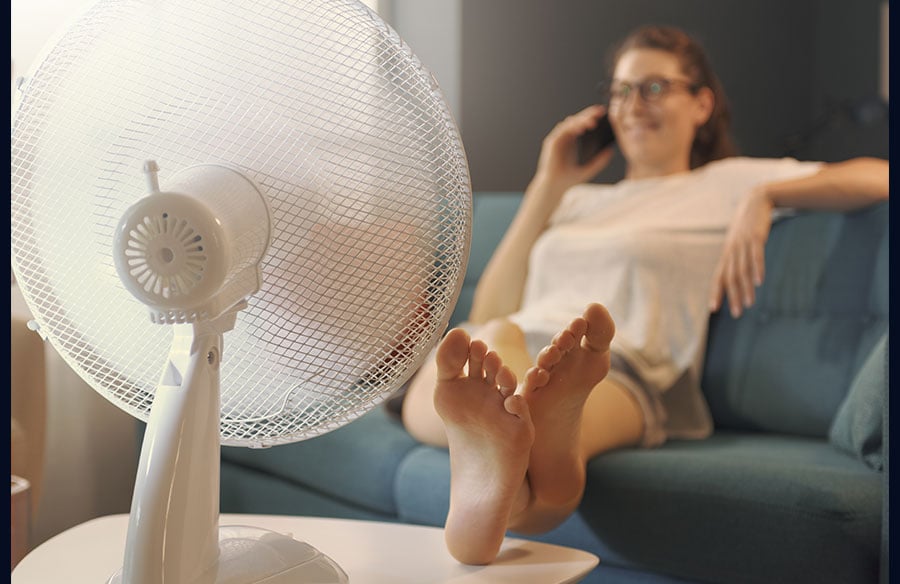
Cooling failures can quickly become a health concern during extreme heat. Check on older adults, infants, people with medical conditions, and pets, especially when indoor temperatures climb. Keep water available and make a backup plan that includes a cooling center, a public building, or a trusted friend or relative’s home. A portable fan can improve comfort, but it should not be the only plan when indoor temperatures are dangerously high. Resources from extreme heat safety guidance reinforce the importance of access to air-conditioned spaces when heat becomes severe.
Common Questions About Home Cooling During Heat Waves
Should The Air Conditioner Run Constantly During A Heat Wave?
Long run times are common during extreme heat. However, the system should still gradually move the indoor temperature toward the thermostat setting. Constant operation with little cooling improvement deserves inspection.
How Often Should The Air Filter Be Changed?
It depends on the filter type, pets, dust levels, allergies, and cooling use. Follow the manufacturer’s instructions and inspect the filter more often during heavy-use periods.
Why Is One Room Hotter Than The Rest Of The House?
Possible causes include blocked vents, direct sun exposure, duct leaks, poor insulation, restricted airflow, or an unbalanced system.
When Should A Homeowner Call For Help?
Request service when cooling stops, water leaks appear, severe noises develop, breakers trip, burning smells occur, or indoor conditions become unsafe.
Conclusion
Heat-wave preparation makes home cooling safer, steadier, and easier to manage. Clean filters, clear airflow, shaded windows, sensible thermostat settings, and early attention to warning signs can make a meaningful difference. When a system keeps struggling, a professional inspection can help determine whether a targeted repair or a longer-term replacement is the better solution. Regular maintenance and timely servicing can also improve energy efficiency, reduce unnecessary wear on equipment, and lower the risk of unexpected breakdowns during periods of extreme heat. By taking preventive steps before temperatures peak, homeowners can enjoy greater indoor comfort, better system performance, and increased confidence that their cooling system is ready for the demands of the season.