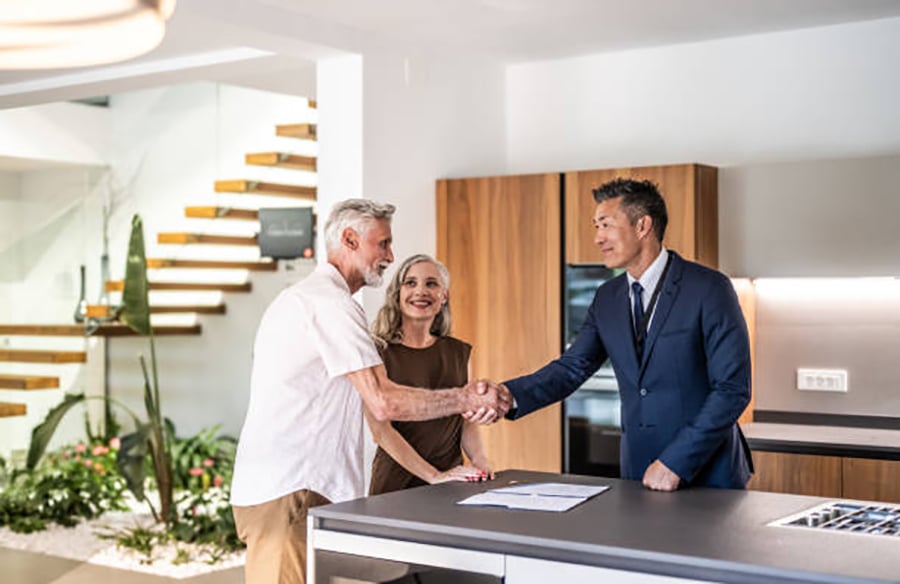
Checkout how thoughtful housing design reduces senior health risks and promotes independence, alongside essential tips for long-term healthcare planning.
Where we live has a powerful impact on our health, especially as we grow older. A thoughtfully designed home can help prevent injuries, support independence, and make daily life more comfortable.
While creating a safer living environment is important, it is only one piece of healthy aging. Access to quality healthcare and understanding Medicare coverage through resources like Boomer Benefits can also help older adults make informed decisions about their long-term well-being. Together, healthcare planning and smart housing design can help people stay healthier and more independent for years to come.
Why Home Design Matters More With Age
As people age, physical changes can make once-simple tasks more challenging. Reduced balance, slower reaction times, arthritis, vision changes, and decreased strength all increase the likelihood of accidents at home. According to the Centers for Disease Control and Prevention, falls remain one of the leading causes of injury among adults age 65 and older.
The good news is that many of these risks can be reduced through intentional home design. Small improvements often have a significant impact, meaning older adults can remain safely in their homes while maintaining their independence.
Rather than waiting until mobility becomes a concern, incorporating age-friendly design principles early can make a home safer without sacrificing style or comfort.
Reducing Fall Risks
Falls rarely happen because of a single issue. More often, they result from a combination of environmental hazards and physical limitations. Fortunately, many of the most common risks can be addressed through better planning.
Clear walkways are one of the simplest improvements. Furniture should allow plenty of room for movement, while electrical cords, loose rugs, and clutter should be removed from areas that see the most foot traffic.
When it comes to flooring, smooth, non-slip surfaces provide greater stability than uneven flooring or thick carpeting that can catch on shoes or walkers. Transitions between rooms should be as level as possible to eliminate tripping hazards.
As vision naturally changes with age, brighter and more evenly distributed lighting makes it easier to identify obstacles. Consider motion-activated lights in hallways, bathrooms, and stairways to improve visibility during nighttime trips without having to search for a light switch.
Bathroom Safety
Bathrooms are consistently among the most dangerous rooms in any home because of slippery surfaces and limited space for movement.
Walk-in showers with low or no thresholds significantly reduce the need to step over high tub walls. Non-slip flooring helps prevent falls, and built-in seating can add comfort and make bathing easier on the body.
Grab bars installed near toilets and inside showers provide sturdy support when sitting or standing. Today’s grab bars are available in modern finishes and decorative styles, making them blend naturally into contemporary bathroom designs instead of looking institutional.
Comfort-height toilets can also reduce strain on knees and hips, making everyday tasks easier for individuals with joint pain or limited mobility.
A More Accessible Kitchen
The kitchen often remains the heart of the home, but without some thoughtful design, the area can become quite difficult to navigate.
The dishes, cookware, and pantry items you use the most should be stored between waist and shoulder height to reduce excessive bending or reaching. Pull-out shelves, soft-close drawers, and lazy Susan cabinets make storage more accessible while minimizing the physical strain it can have on an aging body.
Lever-style faucet handles are easier to operate than traditional knobs, especially for people dealing with arthritis.
Open-floor plans also make it easier for those using walkers or wheelchairs to move comfortably throughout the area.
The Mental Health Benefits
Good housing design supports emotional well-being just as much as physical safety. Large windows that allow natural light into living spaces have been associated with improved mood and healthier sleep patterns. Comfortable, safe outdoor spaces such as patios or gardens also provide and encourage fresh air, relaxation, and social interaction with others.
Lastly, when people feel confident moving around in their environment, they are often more willing to remain active, entertain visitors, and continue participating in daily routines or having new life experiences.
Plan Ahead to Create a Better Outcome
Unfortunately, many older homeowners wait until after an injury or health event forces them to make accessibility improvements. Planning ahead is often less expensive and far less disruptive than making emergency renovations because now it’s a past-due necessity.
Whether you choose to build a new home or remodel your current one, or if you’re helping a loved one age in place, think about incorporating safer design features today instead of putting it off for tomorrow.
Healthy aging depends on many factors, including quality healthcare, preventive medical care, physical activity, and a safe place to live. But combining these factors gives you a head start to preserve independence and enjoy the comfort of home for all the many years ahead.