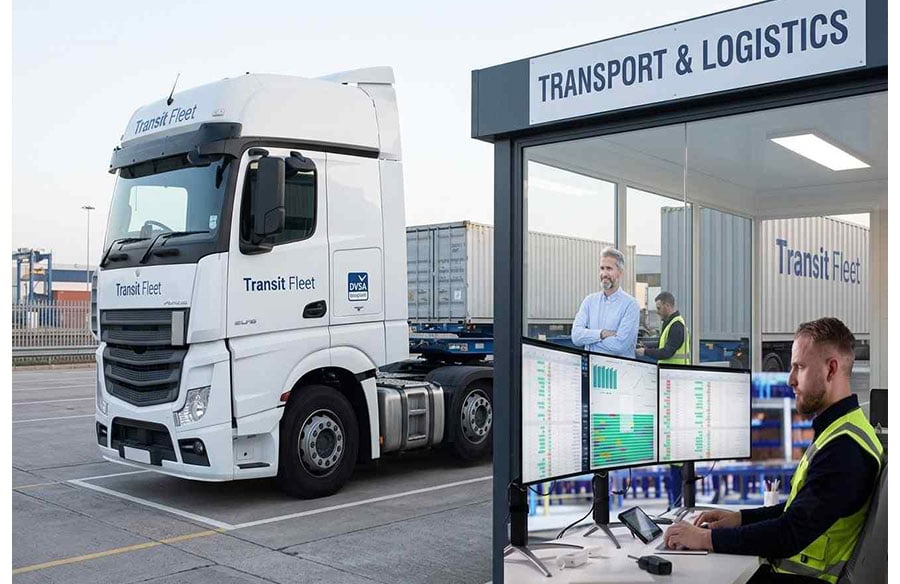
Transport is an essential part of life in the United Kingdom. Goods move from factory to warehouse, from warehouse to shops, and from shops to customers. The process requires efficient planning and proper organisation. Transport management contributes greatly to the process.
Efficient planning and proper organisation can save money and improve customer service. Every transport manager plays an important role in that process. Transport manager organises and coordinates all transport operations and guarantees that they are safe, effective, and legal. Transport Management Service is especially useful for Traction Work for Owner Drivers.
Traction drivers need planning and organisational skills to complete their work effectively. With proper help from the Transport Management Service they can ensure improved safety and compliance.
What Is Transport Management?
Transport management includes planning and coordination of the transport operations. It includes not only all steps of goods movement from one point to another but also the whole logistics. The process helps companies to operate efficiently, save money, and improve performance.
Every manager has to deal with people, vehicles, and transport activities. He or she develops the delivery plan and selects the best way. The manager develops proper schedules in order to reduce travelling time. Finally, the manager monitors performance and solves arising problems. Efficient transport management contributes greatly to improvement of the whole logistics operation and competitiveness of the company.
Understanding Traction Work
Traction work happens when a company supplies the tractor unit and driver. Another business provides the loaded trailer. The driver collects the trailer and delivers it safely. This model is common across road haulage and large distribution networks.
Many owner drivers choose traction work because it offers regular jobs. It also removes some business pressures. However, success still depends on good planning. Every collection and delivery follows a strict schedule. Drivers must arrive on time and complete work safely. Strong Transport Management Services make this process easier. They help owner drivers stay organised and meet customer expectations.
The Role of a Transport Manager in Traction Work
The role of a transport manager is not limited by mere allocation of deliveries. The manager manages all aspects of the transport operation of the company. The manager contributes to safety, performance, and compliance. The manager makes sure that everything works properly every day.
The manager performs the inspection of all vehicles at the beginning of the operation. The manager arranges the maintenance of vehicles at the right intervals. The manager protects valuable equipment and ensures the safety of drivers and other road users.
Planning and scheduling is one of the main duties of a transport manager. He or she sets the delivery times and assigns drivers. The manager selects the best and most secure route.
Managing drivers is the important activity of the manager. He or she monitors driving hours and rest periods of the drivers. The manager provides support in case of arising problems. Such assistance helps to improve cooperation between drivers and managers and to ensure high performance.
Why Transport Management Matters in Traction Work
Good transport management helps every transport company work better. It improves safety and increases efficiency across daily operations. Better planning also reduces stress for drivers and managers. Customers receive deliveries on time and trust the service more.
Transport managers help businesses optimize resources every day. They reduce empty journeys and improve fuel use. They also lower transport costs through better planning. This creates higher profitability for transport businesses. Every successful logistics management system depends on careful planning and clear communication.
Good planning also supports the wider transportation system. It keeps products moving across global supply chains. Many industries depend on reliable transport every day. Factories need raw materials to continue production. Retailers need regular shipment deliveries to serve customers. Fast and reliable transport also supports growing e-commerce businesses throughout the UK.
Compliance and Legal Responsibilities
Every transport business must remain compliant with transport laws. Compliance protects businesses, drivers, and customers every day. It also reduces the risk of fines and legal action.
A transport manager ensures every operation follows legal requirements. They help maintain the company’s operator licence. They also monitor every licence needed by drivers and vehicles. Careful record keeping supports inspections and audits.
Professional transport managers normally hold a Certificate of Professional Competence. Many people simply call it the CPC. This important qualification proves professional competence within the industry. It gives managers the knowledge and skills needed for modern transport operations.
Anyone wishing to become a transport manager should complete recognised CPC training. This qualification opens many career opportunities. It also prepares professionals for greater responsibility within the transport industry.
Improving Efficiency and Reducing Transport Costs
Every transport company wants to become more efficient and to decrease costs. Proper planning contributes greatly to such a goal. The managers analyse performance and look for opportunities to work in a more effective way.
A transport manager analyses all routes before the deliveries start. The manager changes routes in case of arising traffic problems. Proper planning helps to save fuel and valuable time and to avoid delays.
The managers develop realistic delivery schedules. A well-organised schedule allows the drivers to keep working all day long. Proper planning helps to reduce waiting time at the collection points. The customers get the goods more reliably.
Proper budgeting helps to achieve long-term success. The managers control expenses without decreasing the level of service. Every investment in the company’s operation should be useful in the future. The managers control the budget and detect unnecessary expenses.
Fleet and Vehicle Maintenance
Reliable vehicles keep transport businesses moving. Poor maintenance increases costs and creates safety risks. Every transport manager treats maintenance as a top priority.
Regular vehicle maintenance reduces unexpected breakdowns. Managers create maintenance plans at every service interval. This keeps every fleet operating safely and efficiently. Well-maintained vehicles also consume less fuel.
Managers inspect tyres, brakes, lights, and safety equipment regularly. They also keep maintenance records updated. Accurate records support legal compliance during inspections. Safe vehicles protect drivers, customers, and other road users.
Many modern fleets use digital systems to monitor vehicle performance. These systems report faults early. Early repairs prevent expensive failures later.
Supporting Owner Drivers Through Transport Management Services
Many owners’ drivers use professional Transport Management Services. The services reduce the number of paperwork and make daily activities easier. The company becomes legally compliant with the help of Transport Management Services.
The managers organise all delivery plans and monitor all transport activities. The managers provide recommendations in case of arising problems. The managers communicate with the customers and suppliers throughout the journey.
With the professional help owner drivers can concentrate on driving. The managers perform all administrative and planning work. The cooperation improves reliability and customer satisfaction.
Good transport management helps to build proper relations. The drivers, suppliers, and customers benefit from communication. Improved collaboration improves the performance of transport businesses.
Technology in Modern Transport Management
Technology has changed transport management greatly. Digital systems improve planning and reduce manual work. They also provide better information for decision making.
GPS tracking helps managers monitor every vehicle in real time. Live tracking allows faster responses to traffic problems. Managers can quickly update delivery schedules when necessary.
Many businesses also use smart cards to record driver activity. These cards help monitor driving hours and legal compliance. Digital records improve accuracy and reduce paperwork.
Modern software also supports better planning and scheduling. Managers analyse performance and identify areas for improvement. Better information leads to stronger strategic decisions.
Technology also supports sustainability goals. Better route planning reduces fuel use and emissions. Many companies now choose greener transport solutions. These environmentally friendly practices protect both businesses and the environment.
Career Opportunities in Transport Management
Transport management offers excellent opportunities for skilled professionals. The transport sector continues growing every year. Businesses need experienced managers to oversee complex logistics operations.
Many people pursue a career after gaining practical industry experience. Others begin with professional training and CPC qualifications. Every career path develops valuable managerial abilities.
The level of responsibility increases with experience. Senior managers oversee larger fleets and complex transport networks. Some also become transport planners or logistics consultants.
Employers value candidates with strong communication and leadership skills. Every employer wants professionals who solve problems quickly. Good managers also build strong teams and improve business performance.
Transport management supports many different types of transport. These include road freight, public passenger services, and specialist logistics businesses. Every area offers rewarding career opportunities.
Conclusion
Transport management plays a vital role in successful traction work. It supports safety, planning, compliance, and business performance. Every transport manager helps keep transport operations running smoothly.
Professional planning improves efficiency and reduces transport costs. It also supports drivers, customers, and the wider supply chain. Strong Transport Management Services help owner drivers succeed in today’s competitive market.
As logistics continues changing, transport managers remain essential. Their knowledge, planning, and leadership keep businesses moving forward. They help create reliable, safe, and sustainable transport operations across the UK.