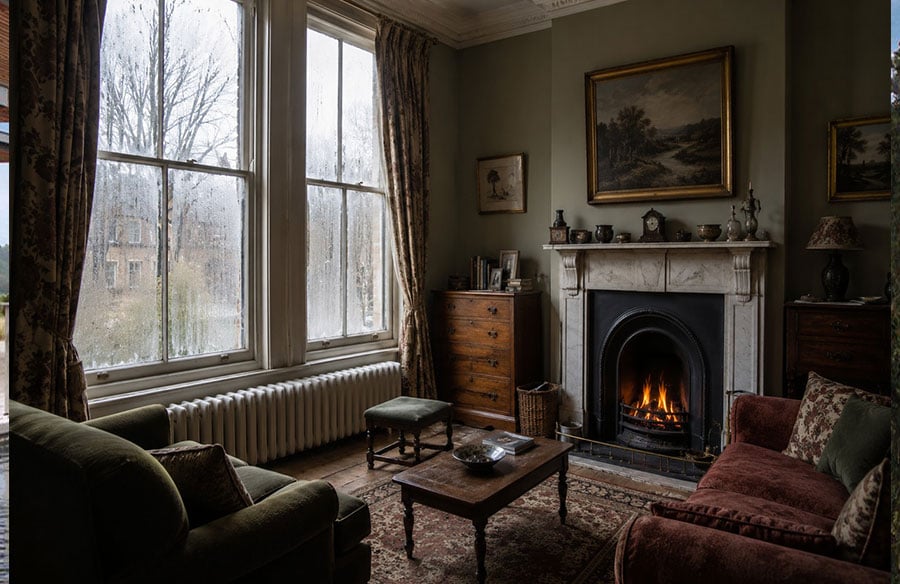
Original sash windows are a big part of why people fall in love with period homes. They make a Georgian frontage look balanced, give a Victorian bay its elegance and bring soft, beautiful light into a room. Then winter arrives, the wind finds every tiny gap, and that same charming window suddenly feels like it has opened private negotiations with the weather.
This is where many homeowners start to panic. The sitting room looks wonderful, but the curtains move when nobody is near them. The bedroom faces a busy road and every passing bus seems to join the conversation. There may be condensation in the morning, rattling sashes on windy nights and one corner of the room that never feels warm, no matter how high the heating goes. It is easy to think, “Right, that’s it, the windows have to go.” But with old sash windows, the obvious answer is not always the best one.
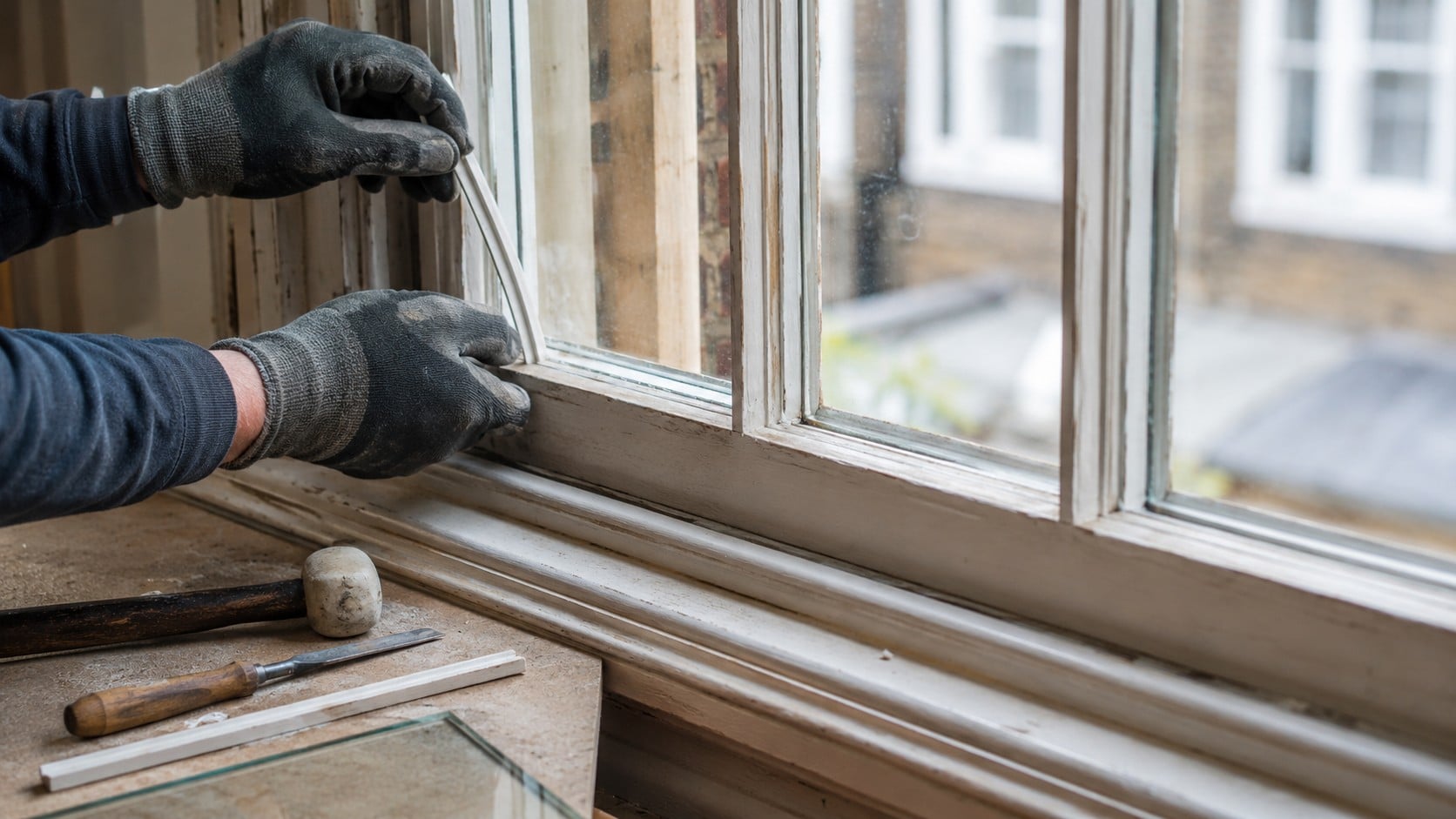 In many cases, original sash windows can be upgraded rather than removed. If the timber is strong enough and the window is suitable, retrofit double glazing can make the room warmer, quieter and more comfortable while keeping the original frames in place. For homeowners looking for a new double glazed window alternative instead of a full replacement, the important first step is a proper check of the sash, frame, cords, joints, glazing depth and timber condition. A sash window is not just “old glass in old wood”; it is a working piece of joinery, and it deserves better than a rushed decision.
 Why Do Homeowners Worry About Replacing Original Sash Windows?
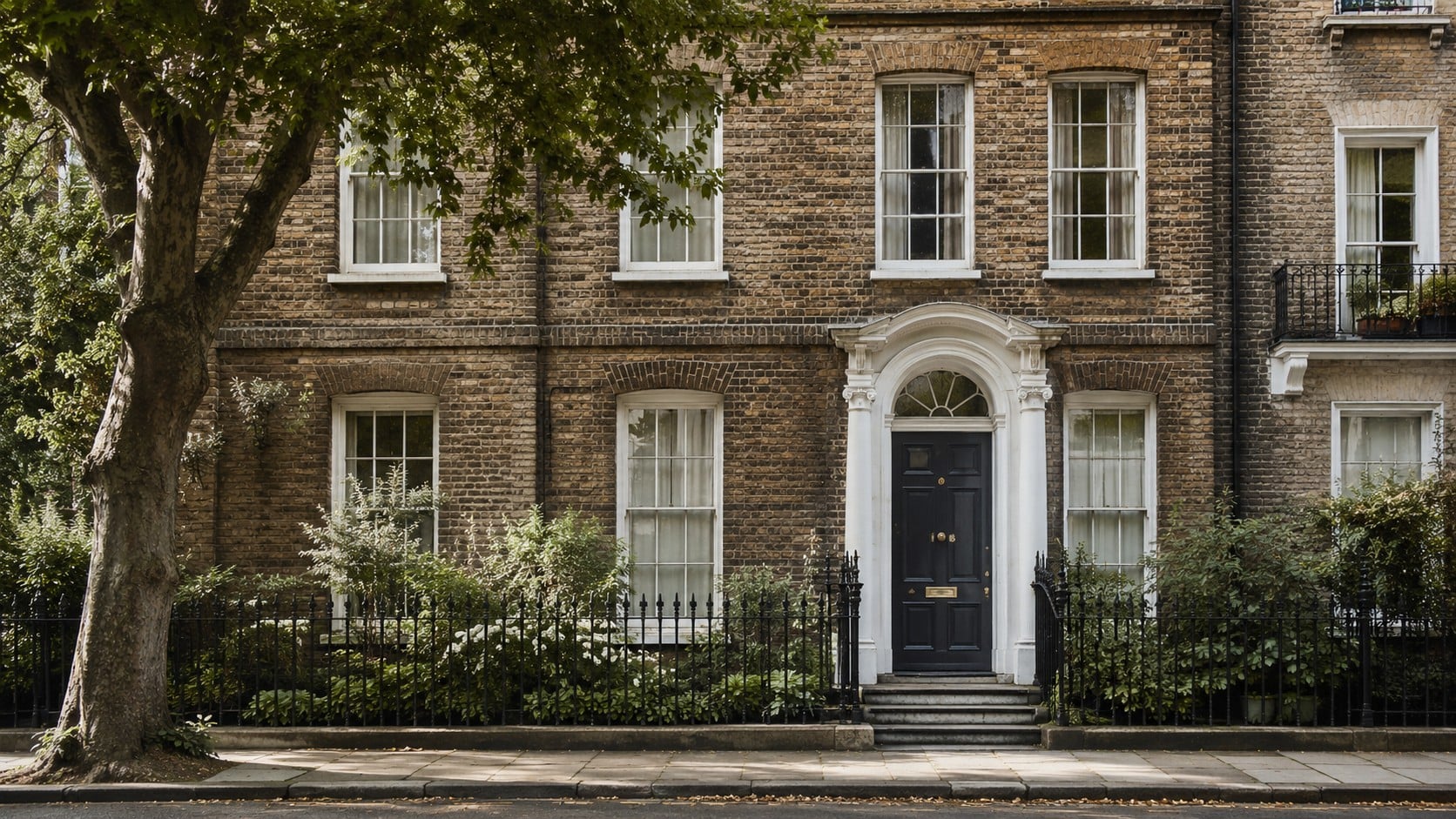
They worry because replacement can change the whole face of the house. Original sash windows have depth, proportion and detail. The glazing bars are slim, the frames sit correctly in the opening, and even the small irregularities in the timber can feel right in an older building. Take that away and the house can lose something important. Historic England’s guidance on traditional windows supports the idea that older joinery should be assessed carefully before it is written off. A poor replacement can look painfully flat, like giving a period townhouse a set of plastic eyebrows.
 How Does Retrofit Double Glazing Work in Existing Sashes?
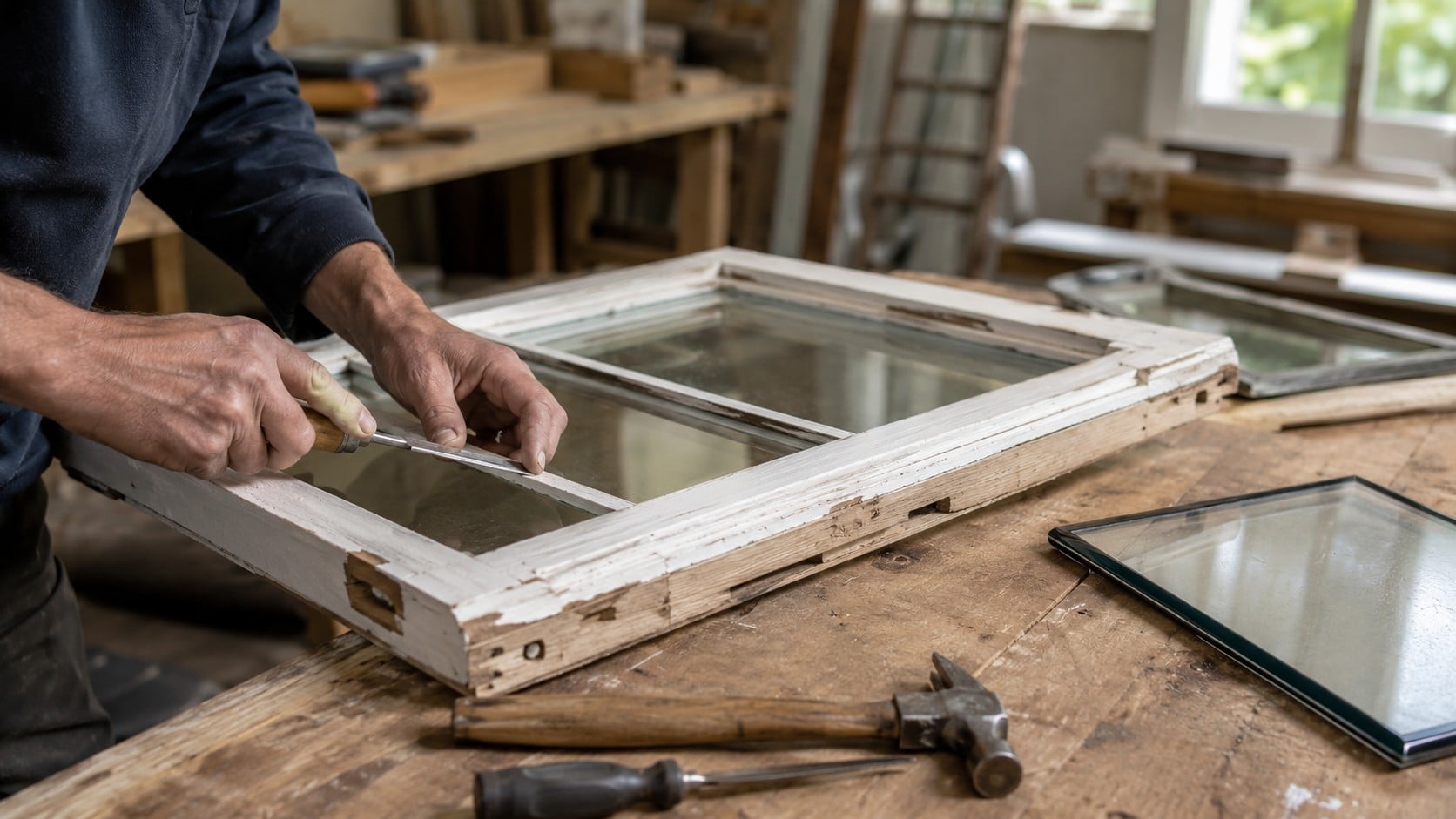
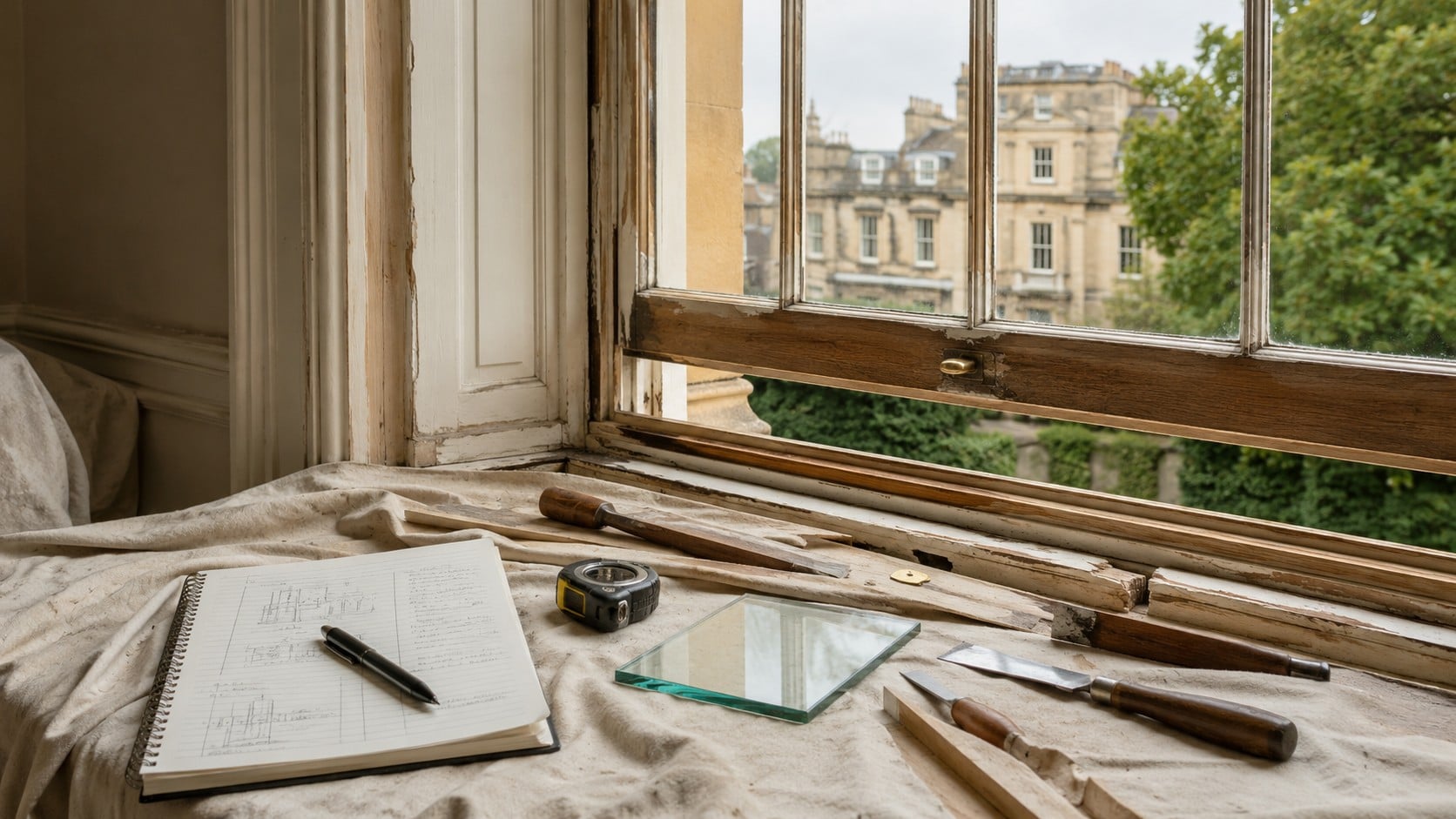
Retrofit double glazing starts with the condition of the window, not with the glass unit. A specialist checks whether the sashes are straight, stable and deep enough for slim double glazed units or another suitable glazing option. If the bottom rail is soft, the joints are loose, the cords are worn, or layers of old paint are hiding damage, those problems need fixing first. Once the window is ready, the old glass can be removed, the sash can be carefully adapted where suitable, and the new glazing can be fitted without stripping away the character of the original timber.
 When Is Retrofit Double Glazing Better Than Full Replacement?
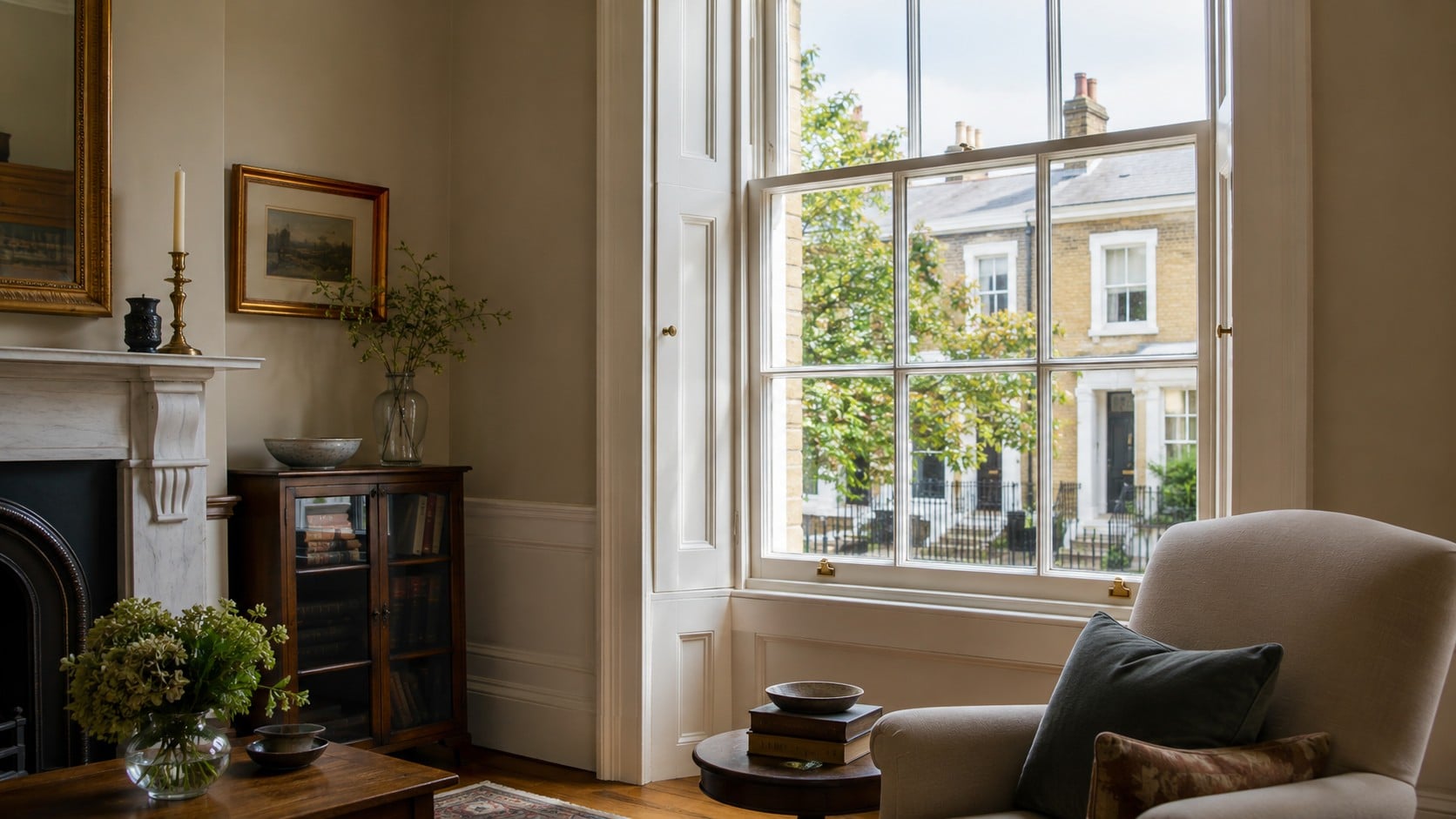
Retrofit makes most sense when the original windows still belong to the house and the timber has plenty of life left. Think of a bay window in a Victorian living room that lets in too much noise, or a nursery where the glass feels icy in winter, or a bedroom where the sash rattles every time the wind gets dramatic. Many people start looking for ways to improve old windows because they want modern comfort without making the property look as if it has had the wrong windows pasted onto it. When the frames are sound, retrofitting can be a much smarter middle ground.
 What Should Be Checked Before Double Glazing Old Sash Windows?
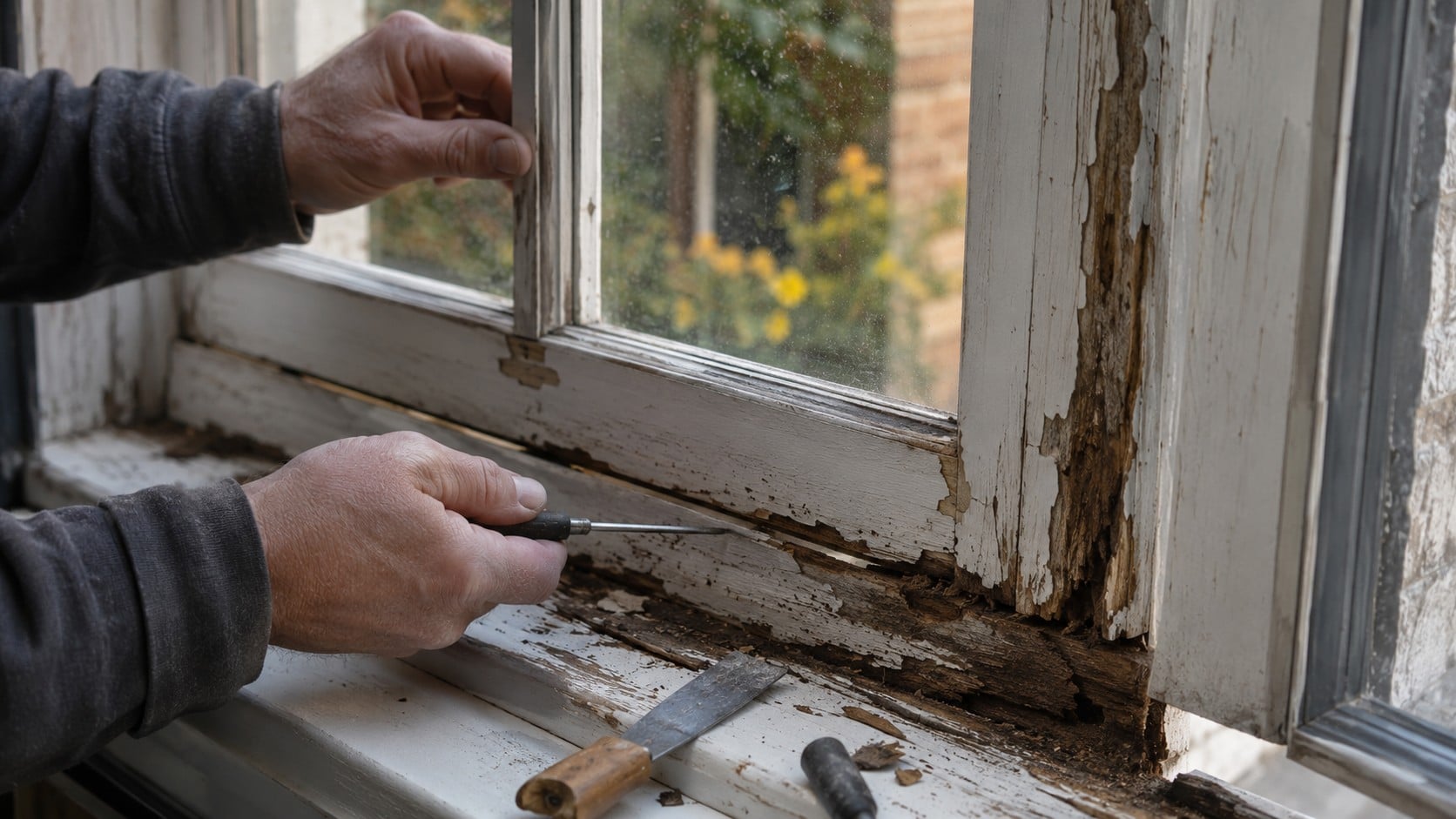
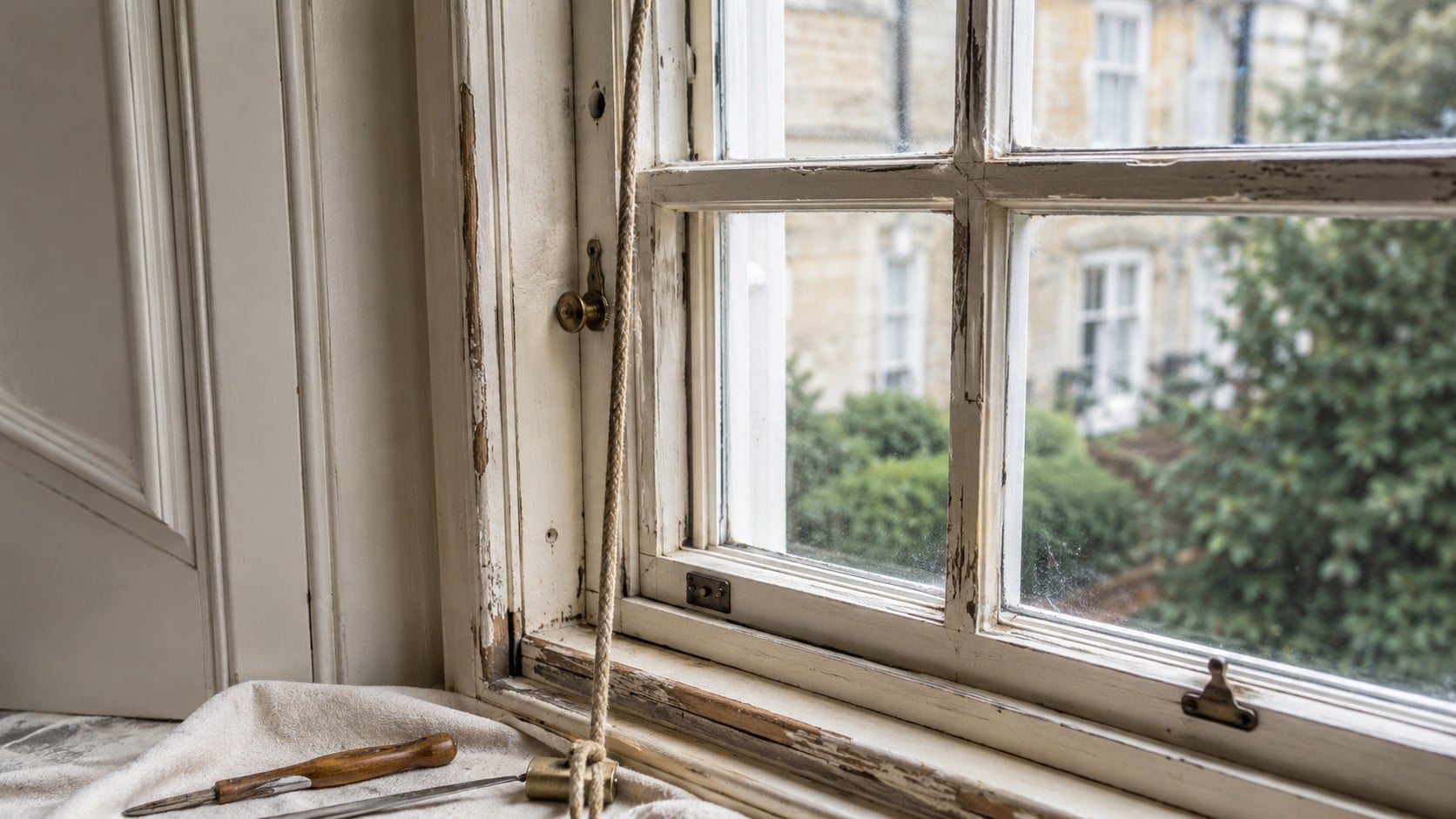
The timber has to come first. New glass will not rescue a rotten sill, a twisted sash or a frame that is quietly falling apart under paint. If the meeting rail is loose, the putty has failed, the cords are frayed, or the paint is trapping moisture in the wood, those issues need proper attention before any glazing upgrade. Otherwise, the window may look improved for a while, but the hidden faults will come back. They always do. Old houses are patient like that.
 Can Double Glazing Help With Cold Rooms and Draughts?
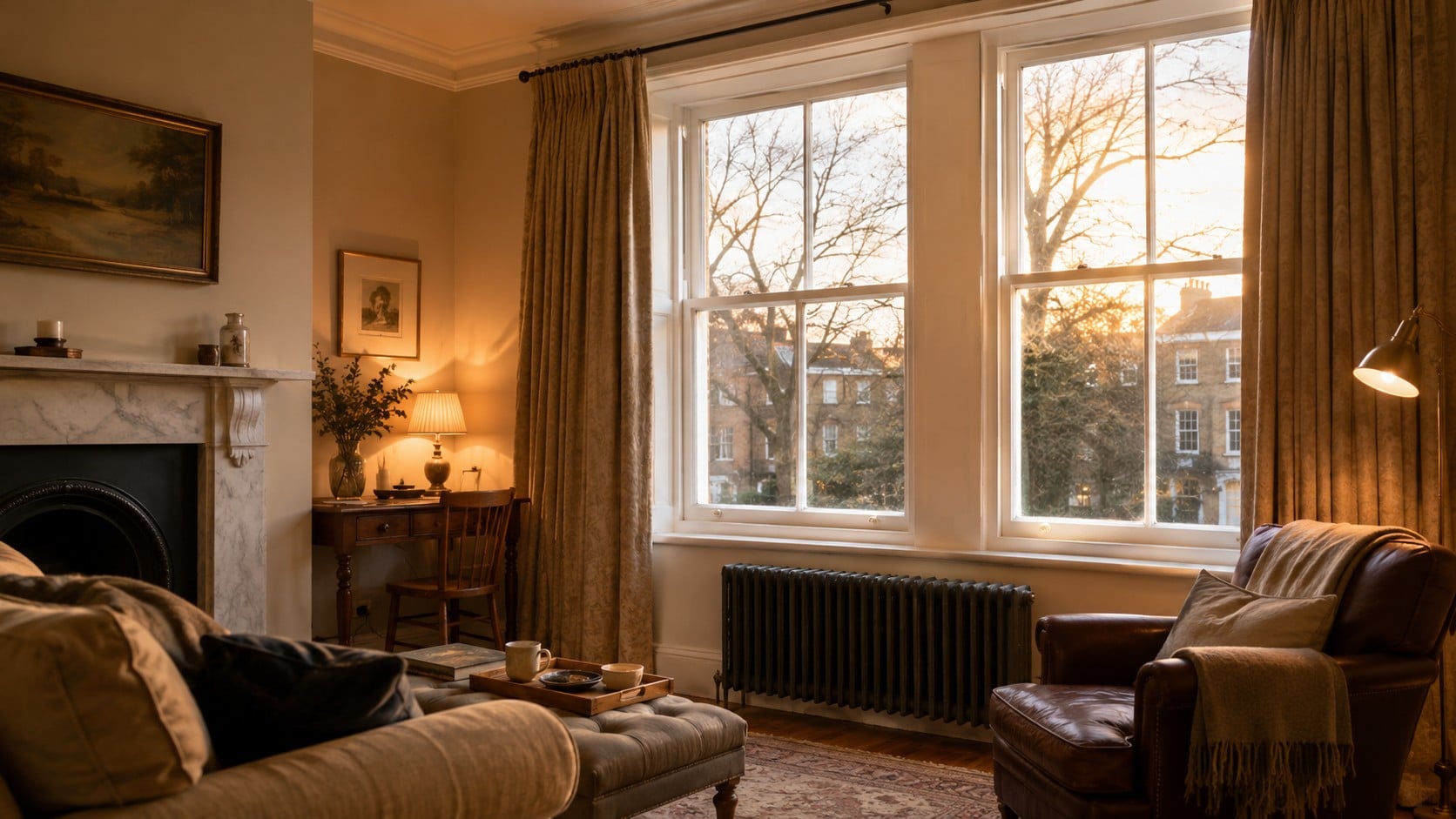
Yes, it can help a lot, but it should be part of the right package. Double glazing can reduce cold glass surfaces and make a room feel more comfortable. Draught-proofing can deal with the small gaps that let cold air whistle through the window just when you are trying to relax. The Energy Saving Trust explains how gaps around a home can add to heat loss, and sash windows often need both better glazing and better sealing to feel properly transformed. Glass matters, but so does the way the whole window works.
 When Might Replacement Still Be the Right Answer?
Replacement can still be the right choice when the window has gone too far. If large areas of timber are rotten, the frame is badly distorted, previous repairs have made a mess of the structure, or the sash cannot safely carry new glazing, replacement may offer better long-term value. Listed buildings and conservation areas may also need extra care before any visible changes are made. Retrofit double glazing is a strong option, but it has to suit the actual window. Hope is lovely; it is not a building survey.
 What Should You Check Before Making a Decision?
Before you agree to replace original sash windows, ask what they can still become. Can the timber be repaired? Can the sashes be balanced? Would draught-proofing solve much of the discomfort? Is slim double glazing or vacuum glazing suitable? A proper survey can compare repair, retrofit glazing and replacement without pushing you straight towards the most disruptive option. Sometimes the best upgrade is not the one that changes everything. It is the one that makes the room warmer, cuts the noise, keeps the street-facing character intact and lets the house still look like itself.