Introduction
The custom apparel industry has experienced remarkable growth over the past decade. From small home businesses to large-scale printing operations, entrepreneurs are finding new opportunities in personalized clothing and branded merchandise. Whether you want to create custom T-shirts, promotional products, sports uniforms, or fashion apparel, having the right equipment is essential for achieving professional results.
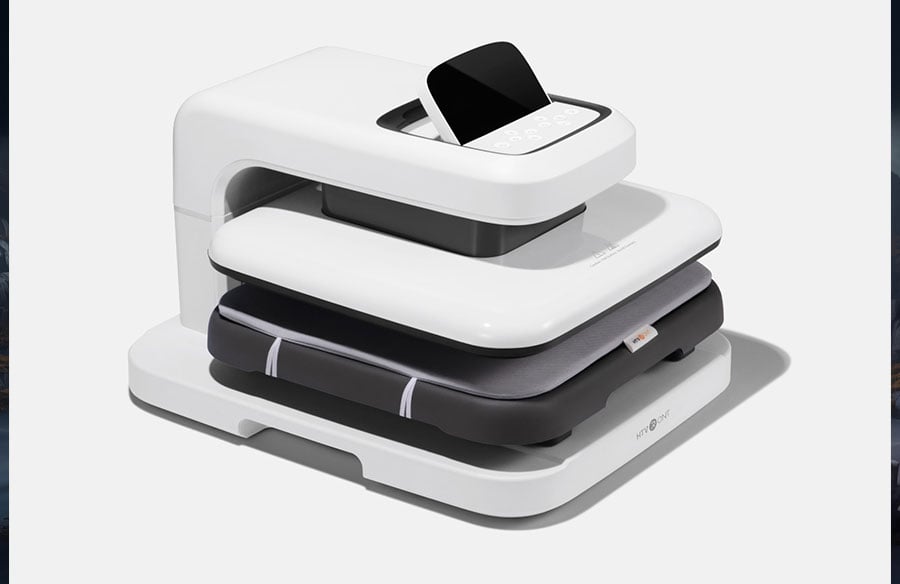
One of the most important tools in garment decoration is a heat press for shirts. Unlike a standard household iron, a heat press delivers consistent heat and pressure, allowing designs to bond properly with fabric. This results in cleaner transfers, better durability, and a more professional finish.
As technology continues to improve, modern heat press systems have become easier to use and more efficient than ever before. Combined with quality design tools and production techniques, they help creators produce high-quality apparel that customers love. This guide explores everything you need to know about heat press equipment, design preparation, production workflows, and business opportunities in the custom apparel market.
Why Heat Press Technology Has Become Essential for Custom Apparel
Custom clothing has evolved far beyond simple printed T-shirts. Today’s consumers expect personalized products that look professional, last through repeated washing, and reflect modern design trends. To meet these expectations, businesses need equipment that delivers reliable and consistent results.
A heat press machine works by applying controlled heat and pressure to transfer designs onto fabric. This process is commonly used for heat transfer vinyl, sublimation printing, direct-to-film transfers, and specialty decorative materials. The controlled environment ensures proper adhesion and reduces the risk of peeling, cracking, or fading.
Unlike manual methods, professional heat presses provide even temperature distribution across the entire platen. This consistency is especially important when working with larger graphics, detailed artwork, or bulk production orders. Customers notice quality, and a professional finish often determines whether they return for future purchases.
Another reason heat press technology has become so popular is its versatility. It allows businesses to work with a wide range of materials, including cotton, polyester, blended fabrics, athletic wear, hoodies, tote bags, and more. This flexibility creates opportunities to serve different customer segments and expand product offerings.
Choosing the Right Heat Press for Shirts
Selecting the right heat press machine is one of the most important decisions for anyone entering the custom apparel industry. The ideal machine depends on production volume, workspace size, business goals, and the types of products being customized.
Clamshell heat presses are often popular among beginners because they are compact and easy to operate. Their design requires less workspace, making them suitable for home businesses and small workshops. They also offer quick operation, which can be useful when processing multiple garments in a short period.
Swing-away heat presses provide more working space around the garment. Because the upper platen moves completely away from the lower platen, users gain better visibility and easier access during garment positioning. This design can improve accuracy when working with complex designs or delicate fabrics.
Modern machines also include advanced features such as digital controls, automatic pressure adjustments, and programmable settings. These features improve consistency and reduce human error. For businesses planning long-term growth, investing in equipment with scalable capabilities often proves more cost-effective than replacing entry-level machines later.
The Role of a Vinyl Cutter Machine in Apparel Decoration
Before a design reaches the heat press stage, it often begins as digital artwork. Creating clean, professional graphics requires accurate cutting technology. This is where a vinyl cutter machine becomes an essential part of the production process.
A vinyl cutter machine transforms digital designs into precisely cut shapes and lettering. These cut pieces can then be weeded and transferred onto garments using heat press technology. The precision of the cutting process directly affects the quality of the final product.
Businesses that create logos, names, sports jerseys, promotional apparel, and decorative graphics benefit significantly from high-quality cutting equipment. Detailed artwork requires clean edges and accurate cuts to maintain a professional appearance. Poorly cut designs can negatively impact the final result, regardless of how good the heat press application may be.
In addition to improving quality, vinyl cutting technology increases efficiency. Automated cutting allows businesses to process designs faster than manual methods. This saves time, reduces waste, and enables operators to handle larger order volumes without sacrificing accuracy.
When combined with a reliable heat press system, a vinyl cutter machine creates a streamlined workflow that supports both creativity and productivity.
Understanding Different Types of Heat Transfer Applications
The custom apparel industry uses several different decoration methods, and each requires specific techniques and settings. Understanding these methods helps users maximize the performance of their equipment while achieving better results.
Heat transfer vinyl remains one of the most popular options for custom apparel. It is widely used for names, numbers, logos, and personalized graphics. HTV is available in many finishes, including matte, glossy, glitter, metallic, reflective, and specialty textures.
Sublimation printing is another growing method. Unlike vinyl transfers, sublimation converts ink into gas, allowing it to bond directly with polyester fibers. This creates vibrant, permanent designs that do not crack or peel. Sublimation is particularly popular for sportswear, performance apparel, and full-color graphics.
Direct-to-film technology has gained significant attention in recent years. DTF transfers offer flexibility, vibrant colors, and compatibility with various fabric types. Many apparel businesses now incorporate DTF printing alongside traditional vinyl and sublimation methods.
Understanding material requirements, temperature settings, pressure levels, and pressing times for each method helps ensure successful transfers. Proper training and testing can significantly improve production quality and reduce costly mistakes.
How a Shirt Press Improves Productivity and Quality
As customer expectations continue to rise, businesses must find ways to maintain quality while increasing production efficiency. A professional shirt press helps achieve both goals.
Consistency is one of the biggest advantages of using dedicated heat press equipment. Every garment receives the same combination of heat, pressure, and timing, which leads to predictable results. This consistency becomes especially important when fulfilling bulk orders for schools, companies, sports teams, and events.
A shirt press also helps reduce production errors. Uneven pressure or inconsistent temperatures can cause designs to fail prematurely. Professional equipment minimizes these risks and helps create durable products that withstand repeated washing and everyday wear.
Efficiency gains can have a significant impact on profitability. Faster setup times, automated features, and precise controls allow operators to complete more orders in less time. For growing businesses, this increased productivity can support expansion without requiring additional labor.
Furthermore, modern shirt press systems often include user-friendly interfaces that simplify operation. Even beginners can quickly learn proper techniques and begin producing high-quality apparel with confidence.
Building a Successful Custom Apparel Business
The demand for personalized apparel continues to create opportunities for entrepreneurs and small businesses. However, success requires more than simply owning the right equipment. Building a sustainable business involves understanding customer needs, developing efficient workflows, and maintaining high product quality.
One of the first steps is identifying a target market. Some businesses focus on sports teams, while others specialize in corporate branding, school apparel, fashion designs, or event merchandise. Defining a niche helps streamline marketing efforts and improve customer acquisition.
Quality control should remain a top priority throughout the production process. Consistent materials, accurate design placement, and proper pressing techniques all contribute to customer satisfaction. Positive customer experiences often lead to repeat business and valuable word-of-mouth referrals.
Effective workflow management also plays a critical role in profitability. Organizing design files, managing inventory, scheduling production, and tracking orders can improve efficiency and reduce delays. Businesses that develop reliable systems are often better equipped to handle growth and seasonal demand spikes.
Finally, staying informed about industry trends can create new opportunities. Consumer preferences change over time, and businesses that adapt quickly often gain a competitive advantage. Investing in modern equipment and ongoing education helps ensure long-term success.
Conclusion
The custom apparel industry offers exciting opportunities for creators, entrepreneurs, and established businesses alike. Success in this market depends on delivering products that combine quality, durability, and visual appeal. A professional heat press for shirts serves as the foundation for achieving those goals.
When paired with a reliable vinyl cutter machine and an efficient production workflow, heat press technology enables businesses to create professional-grade apparel for a wide variety of customers. From personalized T-shirts and promotional merchandise to team uniforms and branded clothing, the possibilities are nearly endless.
A quality shirt press not only improves production consistency but also helps businesses scale efficiently as demand grows. By investing in the right tools, learning proper techniques, and focusing on customer satisfaction, apparel creators can build a strong reputation and create lasting success in the competitive world of custom printing.
As customization continues to shape consumer preferences, businesses that embrace modern heat press technology will be well-positioned to meet future demand and thrive in the evolving apparel market.