
Consumers increasingly expect their favorite dining spots to prioritize the planet just as much as their menus, making sustainable practices a fundamental requirement for hospitality success in 2026. Transitioning to an eco-friendly business model helps protect the environment, reduces long-term operational costs, and builds deep loyalty with a growing demographic of conscious diners. By exploring the ten essential sustainability trends below, restaurant owners can discover actionable strategies to reduce waste, improve energy efficiency, and secure a competitive advantage in a rapidly evolving market.
The Eco-Conscious Consumer: Driving Demand for Sustainability
Diners today care deeply about the environmental impact of their food choices. According to a recent report by NielsenIQ, over 75% of millennial and Gen Z consumers are willing to pay a premium for sustainable products and services. This shifting mindset means restaurants must rethink everything from ingredient sourcing to takeout packaging. Simply adding a recycling bin is no longer enough. To market your sustainable practices effectively, you need to highlight visible, tangible changes that diners can interact with. For example, replacing plastic utensils with custom bamboo and wooden cutlery immediately signals to your guests that you are committed to reducing single-use plastics. Communicate these choices clearly on your menus, social media channels, and physical signage to build trust and resonate with eco-conscious patrons.
Sourcing Locally and Ethically: Farm-to-Table in the Modern Age
The farm-to-table movement has evolved from a niche marketing tactic into a standard operational expectation. Sourcing ingredients locally reduces the carbon footprint associated with long-distance transportation while ensuring your kitchen receives the freshest produce possible. This approach supports local farmers and strengthens the regional economy. Ethical supply chain transparency is equally important in 2026. Diners want to know the story behind their meals. By engaging in fair trade practices and partnering with suppliers who prioritize animal welfare and soil health, restaurants can provide a transparent, guilt-free dining experience that patrons are eager to support.
Water Conservation: A Precious Resource
Water scarcity is a growing global concern, and restaurants are notorious for high water usage. Implementing water-saving technologies in both the kitchen and customer restrooms is a practical step toward comprehensive sustainability. Low-flow faucets, dual-flush toilets, and water-efficient dishwashers significantly cut down daily usage without compromising sanitation or customer comfort. Some forward-thinking establishments are even installing greywater recycling systems, which treat and reuse water from sinks and dishwashers for landscaping and irrigation purposes.
 Energy Efficiency: Powering Your Restaurant Sustainably
Commercial kitchens consume a massive amount of energy, making efficiency upgrades one of the most effective ways to boost your bottom line while helping the planet. Integrating smart technology, such as automated lighting systems and energy-efficient HVAC units, helps regulate power consumption based on real-time occupancy and ambient conditions. Many restaurants are also exploring renewable energy sources, installing solar panels on their roofs, or purchasing green energy credits from their utility providers. While the initial investment for energy-efficient appliances can be substantial, the resulting reduction in monthly utility costs quickly offsets the expense.
Green Building and Design: Creating Sustainable Spaces
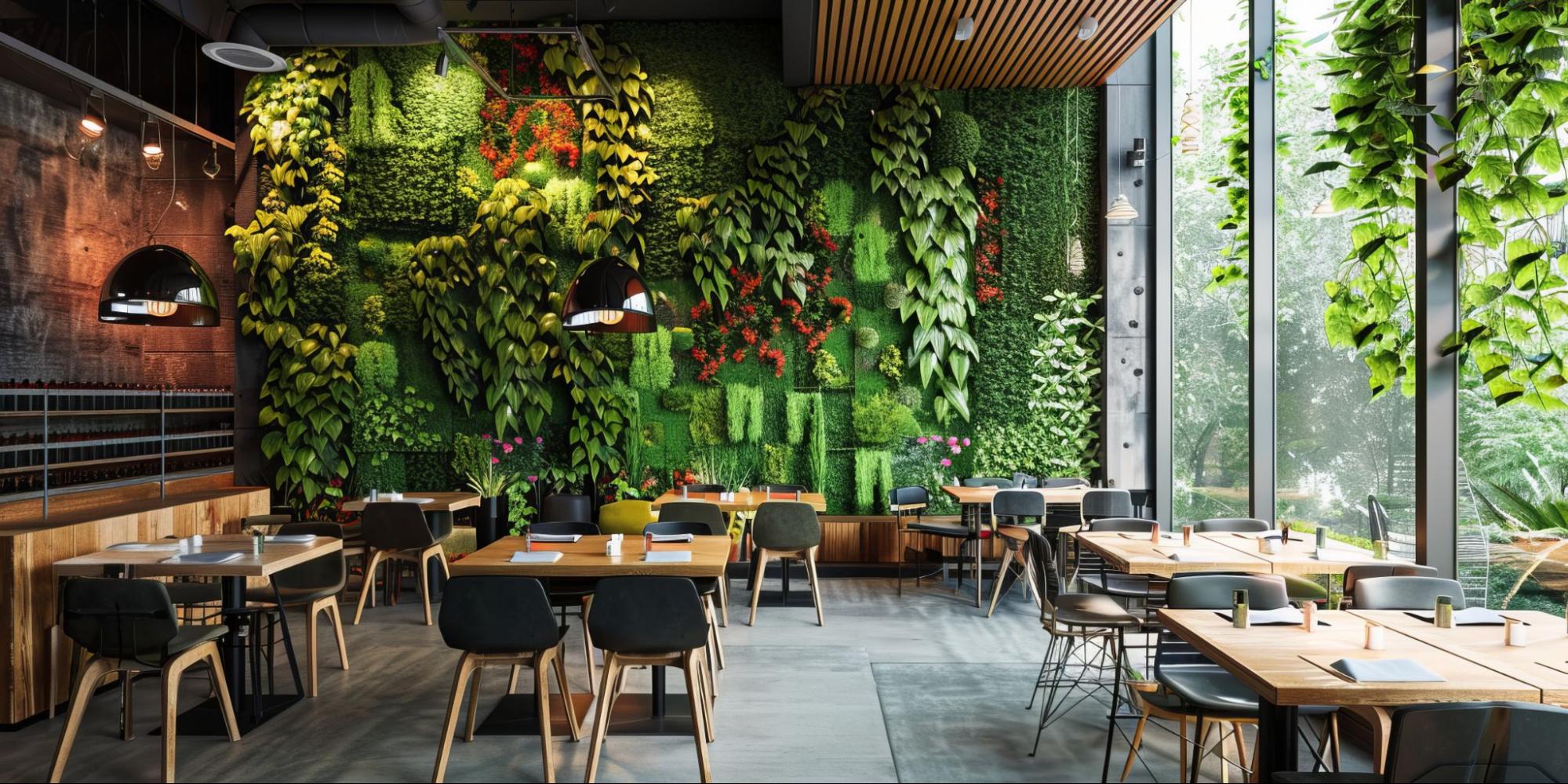
Sustainability should be built into the very foundation of your restaurant. Green building and design focus on utilizing eco-friendly materials and sustainable architecture to minimize environmental impact from the ground up. This includes using reclaimed wood for flooring, non-toxic paints for the walls, and energy-efficient windows to maximize natural light. Inside the dining room, biophilic design elements—such as living plant walls and natural textures—bring the outdoors inside, improving air quality and creating a calming atmosphere for guests. Paying attention to the small details also matters; stocking your tables with custom bamboo and wooden cutlery instead of synthetic alternatives complements a natural, earthy aesthetic perfectly.
Digital Transformation for a Paperless Future
The hospitality industry has traditionally relied heavily on paper for menus, receipts, and order tickets. The digital transformation of 2026 offers a streamlined, paperless alternative that is both eco-friendly and highly efficient. Digital menus accessed via QR codes, integrated online ordering platforms, and digital reservation systems eliminate the need for constant paper reprints. In the back of the house, kitchen display systems (KDS) route orders directly to the line cooks without printing physical tickets. These digital solutions reduce physical waste and allow restaurant owners to update menus and pricing in real time.
Employee Engagement and Training: Building a Green Team
A restaurant’s sustainability initiatives are only as strong as the team executing them. Educating your staff on sustainable practices ensures that your eco-friendly goals translate into daily operational realities. Host regular training sessions to teach your employees how to properly sort compost, operate energy-efficient machinery, and communicate your green initiatives to curious diners. Fostering a culture of environmental responsibility encourages your staff to take pride in their workplace. When employees feel invested in a restaurant’s green mission, they often become your best advocates, suggesting new waste-reduction ideas and representing your brand values authentically to guests.
 Community Involvement and Social Responsibility
True sustainability extends beyond the four walls of your restaurant and out into the surrounding neighborhood. Engaging with the community on sustainability efforts helps build a strong, supportive local network. Restaurants can host charity dinners, sponsor neighborhood clean-up events, or donate surplus food to local shelters through organizations like Feeding America. Supporting local initiatives shows your patrons that you care about the health and well-being of the area you serve. This level of social responsibility builds a positive brand reputation and encourages customer loyalty that purely transactional marketing cannot achieve.
Certification and Transparency: Proving Your Green Credentials
As sustainability becomes a major selling point, consumers are increasingly wary of “greenwashing”—the practice of making misleading claims about environmental benefits. To prove your green credentials, pursue relevant sustainability certifications for your restaurant, such as LEED certification for your building or a Green Restaurant Association (GRA) seal. Be transparent about your supply chain by highlighting certifications like FSC (Forest Stewardship Council) for your paper products and wooden utensils. Communicating your efforts authentically to customers through detailed sustainability reports or an open-door policy builds credibility and proves that your commitment to the planet is genuine.
Waste Not, Want Not: Advanced Waste Reduction Strategies
Food and packaging waste are two of the most significant challenges facing the hospitality sector. The Environmental Protection Agency (EPA) notes that food waste accounts for a massive portion of municipal solid waste, contributing heavily to greenhouse gas emissions. Implementing advanced waste reduction strategies, such as comprehensive composting programs and strict inventory management, can dramatically shrink your restaurant’s footprint. Beyond managing food scraps, rethinking your takeout materials is crucial. Transitioning to innovative packaging solutions, including biodegradable boxes and custom bamboo and wooden cutlery, helps eliminate toxic plastics from the supply chain. If you are looking to source high-quality, FSC-certified disposable tableware without the middleman markup, Diningprint offers direct-to-buyer production designed specifically for the hospitality industry.
Paving the Way for a Greener Gastronomy
The path to a fully sustainable restaurant requires continuous effort, adaptation, and a willingness to embrace new technologies and practices. By prioritizing waste reduction, ethical sourcing, and energy efficiency, hospitality leaders can build resilient businesses that thrive in a shifting economic landscape. Taking proactive steps today prepares your restaurant to meet the demands of tomorrow’s conscious consumers, ensuring that the future of dining is both delicious and environmentally responsible. Implement these trends strategically, and watch your business grow alongside your commitment to a healthier planet.