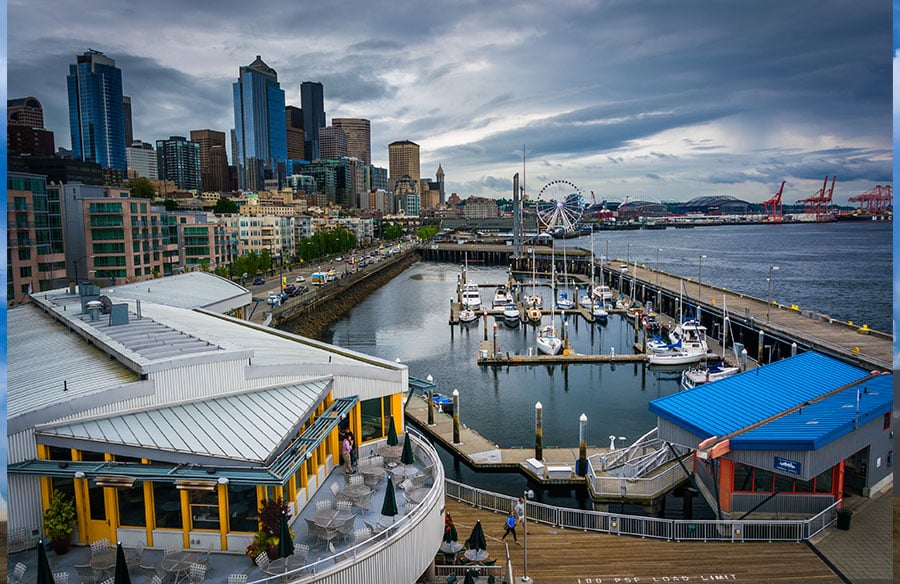
Buildings in the Seattle area do not fail all at once. They usually fail through small exterior details that were missed, rushed, or never maintained. For homeowners, builders, and property managers dealing with stucco, window replacement, and deck waterproofing, Exterior Renovation LLC is a relevant local example of a contractor working in a climate where moisture control matters every month of the year.
In a wet coastal city, the exterior of a building is more than a design feature. It is the first line of defense between the structure and the weather. A wall can look finished from the street and still have weak points behind the surface. A window can look new and still leak if the flashing is wrong. A deck can look clean on top while water slowly reaches the framing below.
This is why building envelope details matter so much in places like Seattle, Bellevue, and the broader Puget Sound region. The climate does not always create dramatic damage overnight. Instead, it creates steady pressure. Rain, wind, shaded walls, damp air, and long wet seasons test every joint, seam, surface, and transition.
Design Is Only as Strong as the Details
Good exterior design has to balance appearance with performance. Architects and designers often think about proportion, material choice, rhythm, texture, and how the building relates to its surroundings. Those things matter. But in a wet climate, the success of the design often depends on details that are less visible.
Window openings, deck transitions, stucco edges, balcony connections, wall penetrations, and roofline intersections all carry risk. These are the places where water looks for a path. If the detailing is weak, water will eventually find one.
The challenge is that many exterior failures are hidden at first. A stain inside a wall, soft trim, bubbling stucco, or a musty smell may only appear after water has already been active for a long time. By then, the repair is often more involved than it would have been if the exterior detail had been corrected earlier.
Why Seattle Area Buildings Need Moisture Conscious Planning
Seattle and Bellevue have plenty of older homes, remodels, townhomes, apartment buildings, mixed use properties, and custom residences. Many of these buildings combine different exterior systems. Stucco may meet wood trim. Windows may sit inside older wall assemblies. Decks may connect directly into living space. Each connection creates a point where design and construction quality have to work together.
Moisture conscious planning means thinking about how water moves before the work begins. It means asking where rain will land, where it will drain, where it might collect, and how the wall or deck system will dry after exposure.
This is especially important in shaded areas where surfaces stay damp longer. North facing walls, covered decks, narrow side yards, and areas near trees often dry slowly. These conditions can shorten the life of coatings, sealants, and exterior materials if they are not maintained properly.
In a dry region, a small flaw may stay minor for years. In the Pacific Northwest, the same flaw can become a pathway for repeated moisture intrusion.
Stucco Needs More Than Surface Repair
Stucco can be a strong exterior finish, but it depends heavily on correct installation, drainage, and maintenance. Cracks, staining, bulging, soft areas, and separation near windows or doors should not be treated as simple cosmetic issues without inspection.
The visible crack is often only the symptom. The real issue may be movement, trapped moisture, failed flashing, impact damage, or a poor transition between materials. Patching the surface can make the wall look better for a short time, but it may not solve the underlying problem.
A better approach is to understand why the damage happened. Is water getting behind the wall? Is the stucco system draining correctly? Are nearby windows or deck areas contributing to the issue? Has the repair area been opened enough to confirm the condition behind the surface?
For architecture and renovation projects, this is where exterior repair becomes part of building performance. The goal is not just to restore the façade. The goal is to protect the wall assembly.
Windows Are Part of the Envelope
Window replacement is often discussed in terms of energy savings, comfort, and appearance. Those are valid benefits, but in wet climates, the water management around the window is just as important as the window itself.
A window opening interrupts the wall. That interruption has to be rebuilt carefully during replacement. The flashing, sill pan, sealants, trim, and surrounding exterior material all have to direct water away from the structure. If those details are handled poorly, a new window can still become a leak point.
This is especially true when windows are replaced in stucco or older exterior systems. Removing the old unit without properly addressing the surrounding wall can create problems that are not visible right away. The finish may look complete, but water can still move behind the assembly.
For property owners, the lesson is simple. Do not judge a window replacement only by the product brand. Judge it by the installation details.
Deck Waterproofing Is a Structural Protection Issue
Decks in the Seattle area take a beating. They deal with rain, standing moisture, foot traffic, outdoor furniture, planters, temperature swings, and seasonal debris. When a deck sits above living space, storage, a garage, or structural framing, waterproofing is not optional. It is part of the building envelope.
The most vulnerable deck areas are often the edges, wall connections, door thresholds, railing penetrations, drains, corners, and seams. These areas need careful detailing because they are where water often enters first.
A surface coating alone cannot fix every deck problem. If the slope is wrong, water will sit. If the flashing is weak, water can move into the wall. If the membrane is damaged or poorly tied into the surrounding structure, the deck may continue leaking even after the surface looks refreshed.
Good deck waterproofing should manage water from the top surface all the way to the drainage path. It should also account for how the deck connects with the rest of the building.
Exterior Renovation Should Be Treated as a System
Stucco, windows, decks, flashing, sealants, trim, and waterproofing should not be viewed as isolated pieces. On a real building, they interact. A leaking window can damage the stucco below it. Poor deck drainage can affect the wall behind it. Failed stucco can expose framing around an opening. One weak detail can create problems in another part of the structure.
This is why the best exterior renovation work looks at the whole assembly. A contractor should be asking how the damage started, how water is moving, how the repair will connect with surrounding materials, and how the finished system will perform through another wet season.
For designers and property owners, this mindset can prevent short term fixes from becoming repeated repairs. It also helps preserve the original design intent. A building can maintain its appearance while gaining better durability behind the finish.
A Better Standard for Exterior Work
In coastal cities with long wet seasons, exterior work should be judged by more than how it looks on completion day. The better question is how the repair will perform after years of rain, wind, maintenance, and seasonal movement.
That means exterior renovation has to respect both design and construction science. The façade should look right, but the wall behind it also needs to drain, dry, and resist moisture intrusion. Windows should improve the home, but the opening has to be protected. Decks should be usable and attractive, but the waterproofing has to protect the structure below.
Seattle area buildings are not forgiving of poor exterior details. Small mistakes tend to reveal themselves over time. For that reason, stucco repair, window replacement, and deck waterproofing should be planned with the full building envelope in mind.
The most successful exterior projects are the ones where the visible finish and the hidden details support each other. In a wet climate, that is what helps a building last.