Before buying a home in Washington State, most buyers schedule a professional home inspection.
A thorough inspection helps uncover hidden issues before closing a deal and gives buyers confidence in their investment.
In 2026, home inspection costs in Washington tend to be above the national average due to regional demand, larger housing stock, and wet climate factors that increase inspection complexity.
Average Home Inspection Cost in Washington
Typical Price Range
- Statewide average: Around $550 to $750 for a standard inspection on a single‑family home.
- Standard component inspection: Covers structure, roof, plumbing, electrical, HVAC, exterior, and crawlspaces or basements.
- Optional add‑ons, like radon or mold testing, add to the total cost.
Pricing often increases with home size, roof complexity, travel distance for the inspector, and additional tests requested.
What Influences Cost
The home inspector’s fee may be affected by distinct regional and property factors:
- Size and age of the home
- Roof design and accessibility
- Distance from metropolitan areas
- Demand for specialized testing (mold, radon, sewer scope)
- Local cost of living and labor rates
Home Inspection Costs in Washington City
Costs can vary from one city to another based on local market rates and property types.
Seattle
Home inspection costs in Seattle typically range from $336 to $408, though some inspections may cost more depending on home size and add‑ons.
Tacoma
In Tacoma, the average inspection fee usually falls between $355 and $432, with variations depending on home size and complexity.
Spokane
Recent 2026 estimates for Spokane show home inspection costs around $606 to $819 if combined with common add‑ons like radon or mold tests, although standard inspections alone may be lower.
Spokane Valley
In neighboring Spokane Valley, inspection costs generally range from $280 to $660, depending on home size and additional services requested.
These local figures help buyers budget more precisely when planning inspections in different parts of Washington.
Types of Home Inspections
While a standard home inspection is the most common choice for buyers, there are several inspection types to consider based on home condition and concerns.
General Home Inspection
This is the broadest and most common inspection. It includes a visual evaluation of major systems, such as:
- Foundation and structure
- Roof and exterior surfaces
- Plumbing and water systems
- Electrical system and panels
- HVAC and cooling systems
- Attic, insulation, and ventilation
Because roofs are critical to protecting the home from moisture and weather damage, the inspector will assess the roof’s condition and any visible issues. If deeper analysis is needed, this can lead to specialized roof inspections or referrals to professionals.
For thorough roofing evaluations, especially in regions prone to storms and snow, buyers may also get specialized roofing assessments from local roofing companies in Spokane Valley to check for hidden deterioration or moisture risks before purchase.
Specialized Inspection Types
In addition to the general inspection, several focused inspections can provide deeper insight into specific systems or hazards:
Roof Inspection
- Focuses on shingles, flashing, gutters, valley areas, and overall roof integrity
- Reveals leaks, worn areas, or structural concerns missed in a general inspection
Plumbing Inspection
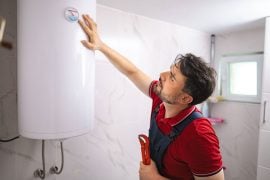
- Examines pipes, drains, water heaters, and visible plumbing connections
- Detects leaks, corrosion, and proper water flow
Electrical Inspection
- Reviews wiring, breaker panels, outlets, and safety compliance
- Identifies outdated systems and potential fire hazards
HVAC Inspection
- Checks heating and cooling systems for performance and safety
- Important in Washington’s wet and variable climate
Environmental or Add‑On Inspections
Depending on location and home age, buyers may opt for additional tests:
- Radon testing
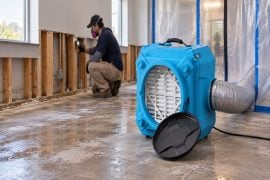
- Mold assessment
- Sewer scope inspection
- Termite or pest inspection
- Chimney and fireplace inspection
These can provide peace of mind and reveal issues not covered by a general inspection.
Why Home Inspections Matter
A home inspection is not required by law in Washington, but it is considered a key part of the home‑buying process. Inspectors can highlight safety issues, hidden damage, or costly repairs that buyers should address before closing.
A detailed inspection report can also be a negotiating tool. If significant issues are discovered, buyers can request repairs, price adjustments, or credits from the seller.
Tips for First‑Time Buyers
- Attend the inspection when possible to see issues firsthand
- Ask the inspector questions and understand recommendations
- Compare quotes from multiple inspectors
- Budget for possible additional tests, such as mold or sewer inspections
Conclusion
In Washington State in 2026, home inspection costs generally range from around $550 to $750 for standard services, with local variation based on city, home size, and additional services.
Full‑scope inspections help buyers identify current and future issues before finalizing a home purchase.
Specialized inspection types, including roofing, plumbing, and environmental tests, offer more detailed insights into specific components of the home.