Nestled amid high peaks and clear lakes, Alpine campus education offers more than scenic views; it cultivates character, curiosity, and competence in ways that prepare students to lead on the global stage. These campuses marry rigorous academic programs with immersive residential life, creating a daily rhythm that encourages discipline, independence, and cross-cultural understanding. The mountain environment provides a living laboratory where challenges become lessons in resilience and collaboration, and where every climb, research project, or community initiative can be reframed as leadership training. Families drawn to an immersive, formative schooling experience often look for institutions with a reputation for excellence, such as Swiss Boarding Schools, which model how place-based education shapes global citizens.
A Holistic Philosophy of Education
Alpine campuses typically operate on a philosophy that values intellectual growth alongside personal development. Classrooms favor small-group discussion, interdisciplinary projects, and mentorship rather than rote instruction, which encourages students to take ownership of their learning. Teachers serve as guides and advisors, helping young people to set goals, reflect on failures, and celebrate progress. This holistic approach recognizes that academic achievement is inseparable from emotional intelligence, ethical judgment, and physical well-being. Incorporating arts, sciences, and real-world problem solving, the curriculum emphasizes critical thinking and creative synthesis—skills essential for leaders who must navigate ambiguity and craft solutions across domains.
Learning Beyond Classrooms
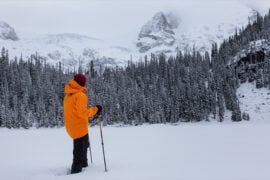
The hallmark of Alpine education is experiential learning. The natural landscape becomes a classroom for ecology studies, leadership challenges, and team-based expeditions. Overnight fieldwork teaches risk assessment and logistical planning in a way textbooks cannot. Service learning projects connect students with local communities, fostering empathy, civic responsibility, and a practical understanding of social systems. Meanwhile, structured extracurricular programs—debate, entrepreneurship incubators, Model United Nations, and performance arts—provide platforms for students to practice communication, negotiation, and project management. The constant rhythm of classroom study followed by applied experiences results in graduates who are not only knowledgeable but practiced in implementing ideas.
Residential Life as Leadership Training
Living on campus is a formative element of Alpine education. Residential systems create micro-communities in which students learn governance, conflict resolution, and daily responsibility. Shared living cultivates interpersonal skills that are critical for effective leadership: listening, compromise, time management, and cultural sensitivity. Mentors, including faculty and senior students, model and coach behaviors such as ethical decision-making and public service. Everyday routines—organizing study groups, coordinating events, or supporting peers through personal challenges—become opportunities to exercise leadership in low-stakes settings, preparing students to step into larger roles with confidence.
Multilingualism and Global Perspective
Many Alpine campuses emphasize multilingual education, often teaching in two or more languages, which builds cognitive flexibility and cultural empathy. Exposure to diverse perspectives through both classroom dialogue and a multinational student body broadens horizons and reduces parochial thinking. Students learn to negotiate meaning across cultures, an essential competence for leaders in international arenas. Language study paired with international exchange programs or collaborative projects connects young people with global networks, enabling early exposure to varied governance systems, business models, and social practices that inform adaptable leadership.
Sustainability, Ethics, and Stewardship
The mountain setting naturally encourages an ethic of stewardship. Environmental science and sustainability modules are often integrated across curricula, from energy audits to conservation initiatives. Students learn the consequences of human activity on fragile ecosystems and are tasked with designing interventions that balance social needs with ecological limits. This focus on sustainability instills long-term thinking and responsibility—traits that leaders increasingly need as policy and business decisions must reckon with complex environmental trade-offs. Ethical reasoning is treated as a core discipline, not an add-on, ensuring that graduates can balance ambition with accountability.
Preparing for Higher Education and Careers
Alpine campuses maintain strong links with universities and industry partners, helping students translate their schooling into meaningful pathways. College counseling emphasizes fit and purpose rather than prestige alone, encouraging students to pursue programs aligned with their strengths and values. Internship programs and alumni networks provide real-world exposure and mentorship, bridging the gap between campus learning and professional life. Employers increasingly seek candidates who demonstrate initiative, teamwork, and adaptability—qualities honed through the rigorous, varied experiences available on an Alpine campus.
Community and Alumni Impact
The sense of community fostered by residential education often extends beyond graduation. Alumni networks remain active, offering mentorship, collaboration opportunities, and platforms for civic engagement. Graduates frequently return to lead initiatives that mirror the values they learned on campus, from social enterprises to cross-border research collaborations. The combination of academic rigor, ethical grounding, and practical experience equips alumni to tackle complex problems in government, business, science, and the arts. Their shared formative experience creates a global web of leaders who are connected by both skill and a commitment to service.
Innovation Within Tradition
While these institutions often honor longstanding traditions, they are also sites of experimentation. Technology-enhanced learning tools are used to personalize instruction, while partnerships with startups and research centers introduce students to cutting-edge problems. Nonetheless, innovation is balanced with a respect for place-based learning and human-scale relationships. This blend ensures that students benefit from modern pedagogies without losing the vital social and environmental context that defines Alpine education.
Alpine campus education shapes leaders by combining rigorous academics with immersive residential life, a strong ethic of stewardship, and abundant opportunities for applied learning. The mountain setting, multilingual environment, and tight-knit communities produce graduates who are intellectually curious, resilient, and socially responsible. For families and students seeking an education that prepares young people to contribute meaningfully on a global stage, the Alpine model offers a compelling blueprint: rigorous preparation anchored in character, community, and a deep sense of place.