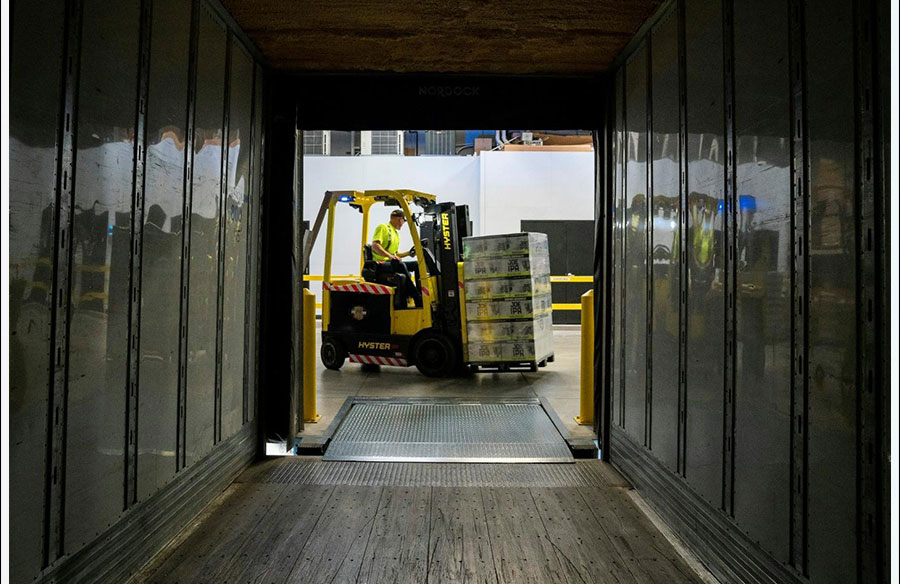
Warehouse efficiency depends on more than labor and floor space. Equipment plays a central role in determining how smoothly operations move from receiving to storage and finally to outbound shipping. The right tools reduce friction at every stage. Travel paths become shorter. Lifting becomes safer. Inventory becomes easier to track and retrieve.
Strong equipment decisions create consistency across daily operations. Teams complete tasks faster because tools match workflow demands. Managers gain better control over performance because equipment supports predictable output. Cost savings follow naturally when breakdowns, delays, and product damage decrease.
Strategic Equipment Selection and Layout Planning
Every warehouse operates under different conditions. Product size, turnover rate, ceiling height, and order frequency all influence equipment needs. Smart planning begins with a clear understanding of these factors. Equipment must align with the physical layout and the movement patterns of goods.
Lift trucks, pallet jacks, conveyors, and shelving systems should complement one another. Travel lanes need enough width for safe maneuvering. Storage systems should allow quick access without unnecessary repositioning of pallets. Efficient layout planning reduces idle time and eliminates congestion in high-traffic areas. Equipment selection also influences long-term scalability. Facilities that anticipate growth often choose adaptable systems that can expand without major reconstruction.
Forklift Reliability and Parts Support
Forklifts serve as the backbone of most warehouse operations. Heavy pallets, bulk inventory, and oversized shipments rely on dependable lift equipment for safe movement. Any disruption in forklift performance affects receiving schedules, replenishment cycles, and outbound shipping timelines.
Taylor forklifts provide a clear example of machines built for demanding environments. Durable construction and strong lifting capacity make them suitable for facilities handling substantial loads. Access to reliable replacement components ensures these machines maintain consistent performance throughout their service life. Access to reliable Taylor stacker parts keeps lift trucks running smoothly and reduces the risk of unexpected breakdowns during peak warehouse activity. Maintenance teams can address routine wear quickly, which helps prevent small issues from turning into costly operational disruptions.
Storage Systems That Maximize Space
Storage systems influence how effectively a warehouse uses its available footprint. Racking that matches product dimensions improves capacity without requiring expansion. Vertical space often remains underutilized in facilities that rely on outdated shelving configurations.
Selective pallet racking, drive-in systems, and cantilever setups serve different operational needs. High-turnover products benefit from easily accessible locations. Bulk inventory may fit better in dense storage arrangements. Equipment choices should reflect product movement patterns and picking frequency. Clear labeling and organized placement reduce search time. Workers locate items faster when inventory positioning follows logical patterns. Order accuracy improves because products remain in designated, easily identifiable locations.
Material Handling Speed and Accuracy
Material handling equipment determines how quickly products travel between operational zones. Conveyors move cartons across long distances with minimal manual effort. Pallet jacks assist with short-range transfers. Automated guided vehicles support repetitive routes without constant supervision.
Speed matters, but precision carries equal importance. Properly calibrated equipment reduces product damage and ensures stable transport. Accurate handling lowers the risk of misplaced inventory, which helps maintain dependable order fulfillment timelines. Smooth transitions between receiving, storage, and shipping reduce bottlenecks. Equipment that integrates seamlessly with the workflow prevents congestion at transfer points. Travel time decreases when tools match the pace of operations.
Safety Equipment and Risk Reduction
Safety directly influences operational stability. Accidents interrupt workflow, damage inventory, and create costly downtime. Protective barriers, guardrails, and clear traffic markings establish structure within busy warehouse environments.
Lighting systems enhance visibility across aisles and loading docks. Warning signals and floor markings guide pedestrian and equipment interaction. Structured safety measures protect both personnel and property. Reduced incident rates support uninterrupted productivity. Teams work with greater confidence when clear safety systems remain in place. Equipment designed with safety features also lowers the likelihood of mechanical failure during operation.
Technology Integration and Data Visibility
Modern warehouses operate best when equipment connects to reliable data systems. Real-time visibility allows managers to monitor inventory levels, equipment performance, and order progress without relying on manual updates. Barcode scanners, RFID systems, and warehouse management software create a connected environment where information flows instantly.
Accurate tracking reduces misplaced inventory and shortens order processing time. Teams locate products quickly because digital systems reflect exact storage positions. Managers identify slow-moving items, high-demand products, and space constraints with greater clarity. Equipment integrated with digital tools also improves accountability. Performance metrics reveal how machinery contributes to daily throughput.
Maintenance Planning and Lifecycle Management
Long-term performance depends on structured maintenance planning. Equipment that receives regular inspections operates more reliably and maintains steady output. Scheduled servicing prevents small mechanical issues from developing into costly breakdowns.
Lifecycle management begins with understanding expected wear patterns. High-use machinery requires closer monitoring than equipment used occasionally. Maintenance logs provide insight into performance trends and repair frequency. This information supports informed replacement planning. Budget forecasting improves when managers understand total ownership costs. Purchase price represents only part of the investment. Repair frequency, parts availability, and operational downtime influence overall expense. Structured maintenance programs protect productivity and preserve equipment value over time.
Workforce Productivity and Ergonomic Tools
Equipment should support the people who operate it. Ergonomic lift tables, adjustable workstations, and properly designed picking carts reduce strain and fatigue. Workers perform tasks more comfortably when tools match physical demands.
Training also plays a critical role. Clear instruction ensures employees operate machinery safely and efficiently. Skilled operators move inventory faster and with greater accuracy. Confidence grows when workers understand both equipment capabilities and limitations. Productivity improves when tools simplify repetitive tasks. Streamlined picking systems reduce unnecessary bending and reaching. Stable platforms and intuitive controls encourage smoother movement throughout the shift.
Operational efficiency in a warehouse begins with deliberate equipment choices. Layout planning, reliable forklifts, space optimization, precise material handling, and strong safety systems create a stable foundation. Technology integration, structured maintenance, and ergonomic support strengthen that foundation even further.
Well-selected equipment reduces friction across daily operations. Downtime decreases. Accuracy improves. Teams work with greater confidence because tools align with workflow demands. Consistent performance leads to stronger customer satisfaction and better cost control.