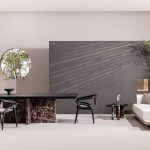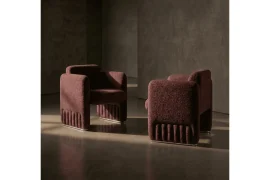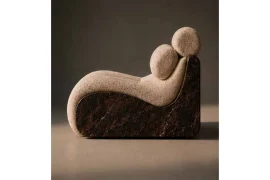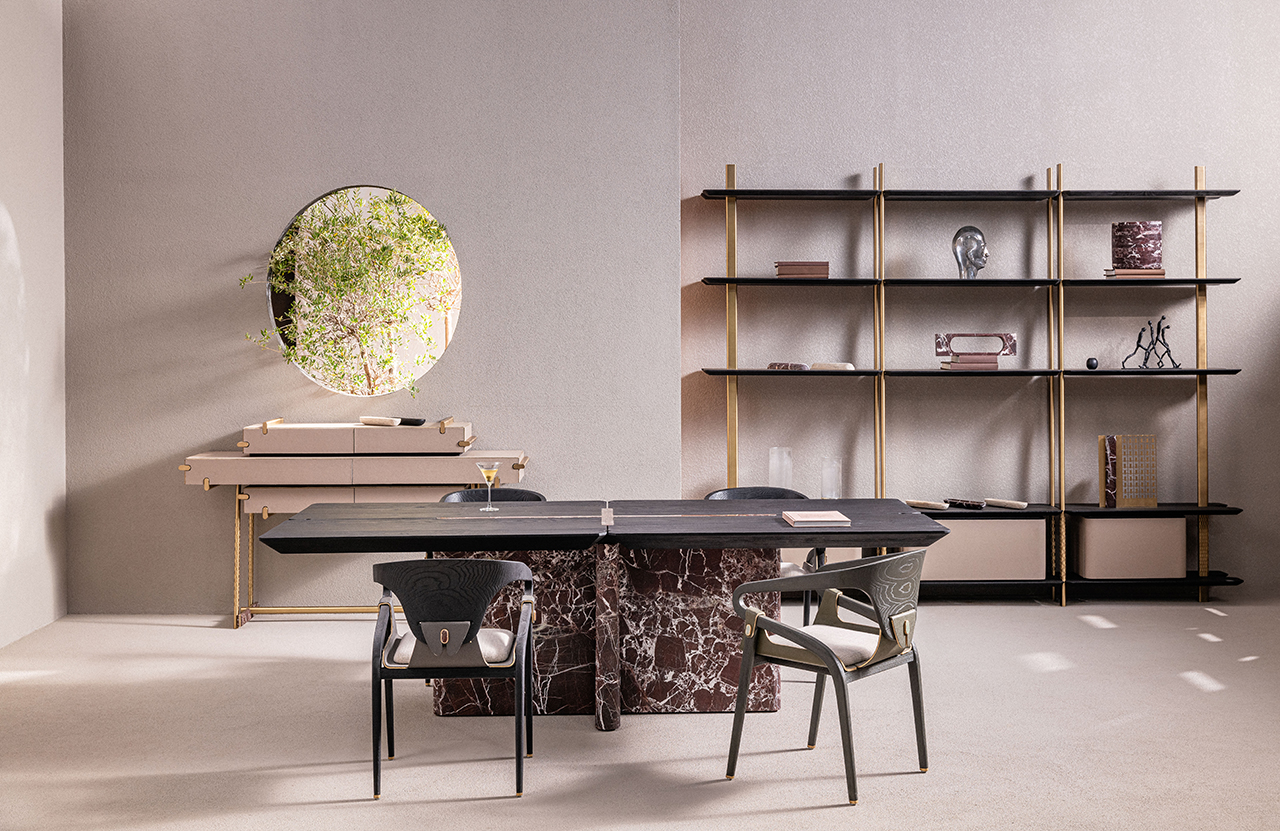
In an era where excess often defines aspiration, Haruma takes a more measured path—one that finds luxury in restraint, nuance, and enduring design. This approach, often described as quiet luxury, is less about visibility and more about presence: a philosophy rooted in subtlety, authenticity, and timeless appeal.

Project Name: Elements of Quite Luxury
Studio Name: Haruma
Photo credits: Ravi Mistry
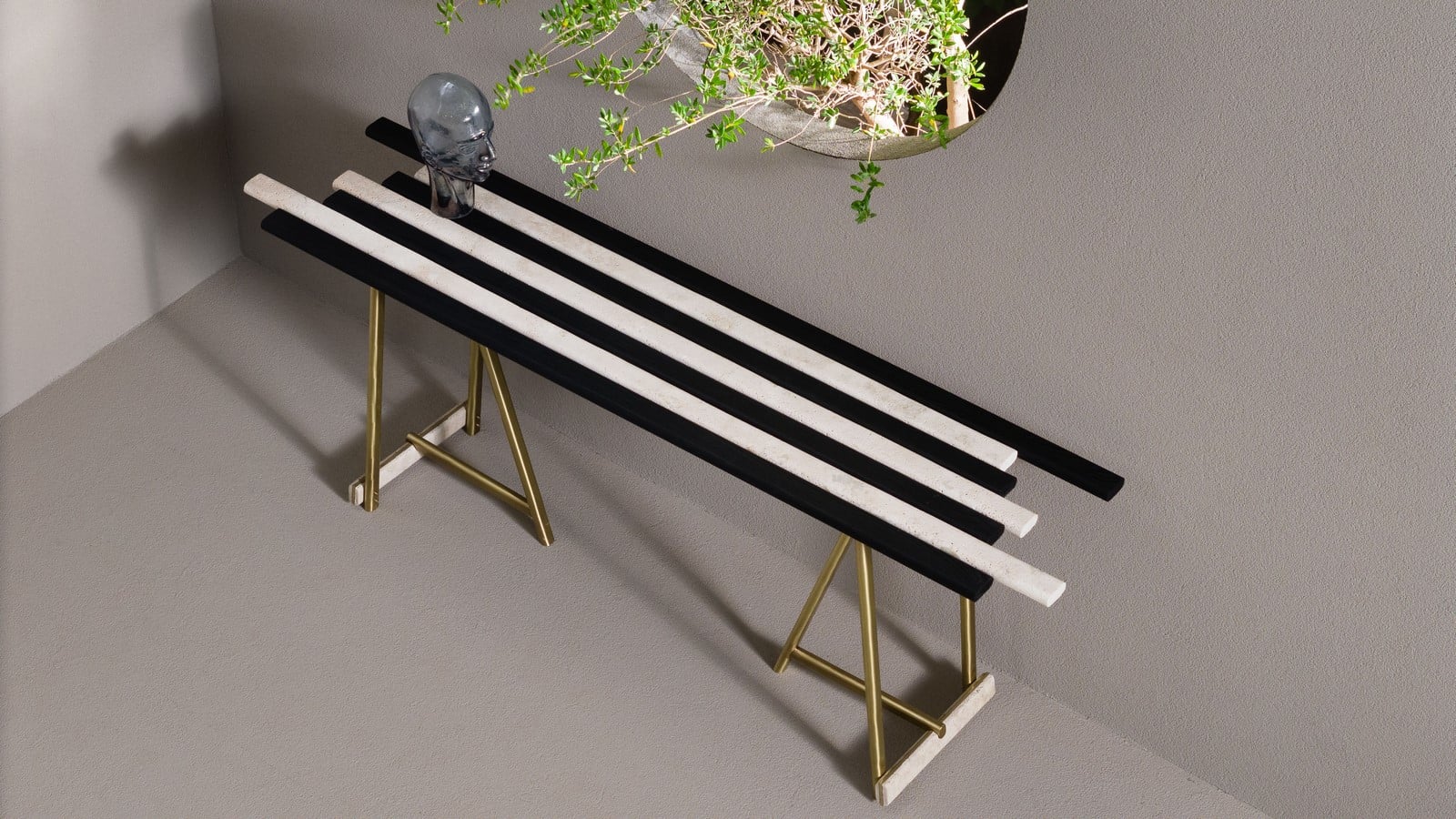
In an era where excess often defines aspiration, Haruma takes a more measured path—one that finds luxury in restraint, nuance, and enduring design. This approach, often described as quiet luxury, is less about visibility and more about presence: a philosophy rooted in subtlety, authenticity, and timeless appeal.At its core, Haruma’s design process is not driven by trends but by a careful understanding of balance—between proportion, material, and detail. Each piece emerges through a process of refinement, where nothing feels forced and everything finds its place organically. In contrast to a culture of constant amplification, the brand gravitates toward a more introspective way of making—one that privileges clarity over ornamentation.
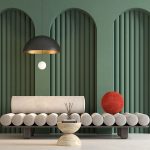
Quiet luxury does not announce itself loudly. Instead, it reveals its value gradually, through thoughtful detailing and a sense of permanence. For Haruma, this translates into forms that are understated yet deeply considered, surfaces that invite touch, and compositions that feel complete without excess. Furniture, in this context, transcends utility, it becomes a part of everyday living, shaping spaces with a calm, assured presence.
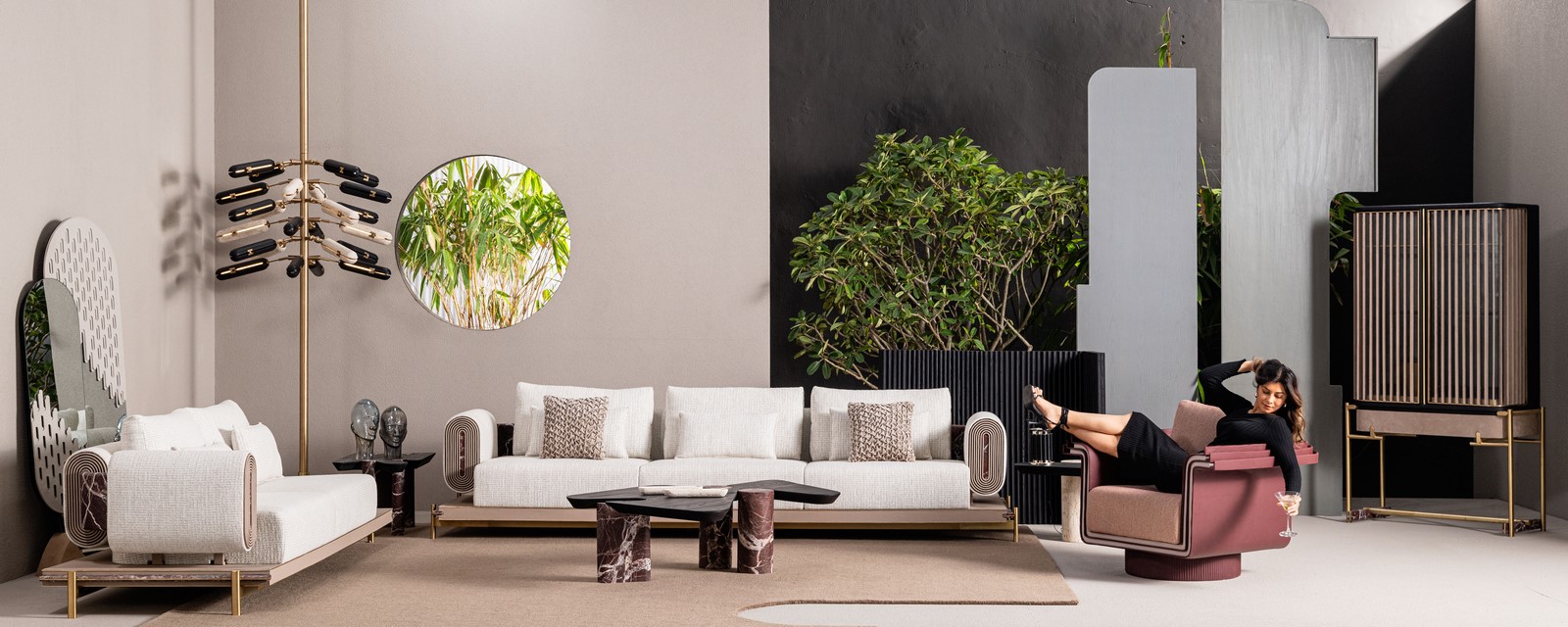
Materiality plays a defining role in this narrative. Rather than being treated as a surface treatment, materials are allowed to express their inherent qualities. As founder Parth Patel explains, “There is a certain power in letting materials speak for themselves. The depth of natural wood or the quiet glow of brushed metal can communicate far more than decorative complexity. When left unforced, materials create a more intimate and sensory connection.” This emphasis on tactility shifts the focus from visual spectacle to experiential richness.
Equally important is the approach to craftsmanship. At Haruma, making is guided by precision and restraint rather than display. The emphasis lies in refined execution—clean joinery, balanced proportions, and finishes that feel seamless. The craftsmanship is not meant to draw attention to itself but to support the integrity of the design. It is something that is sensed rather than overtly seen.
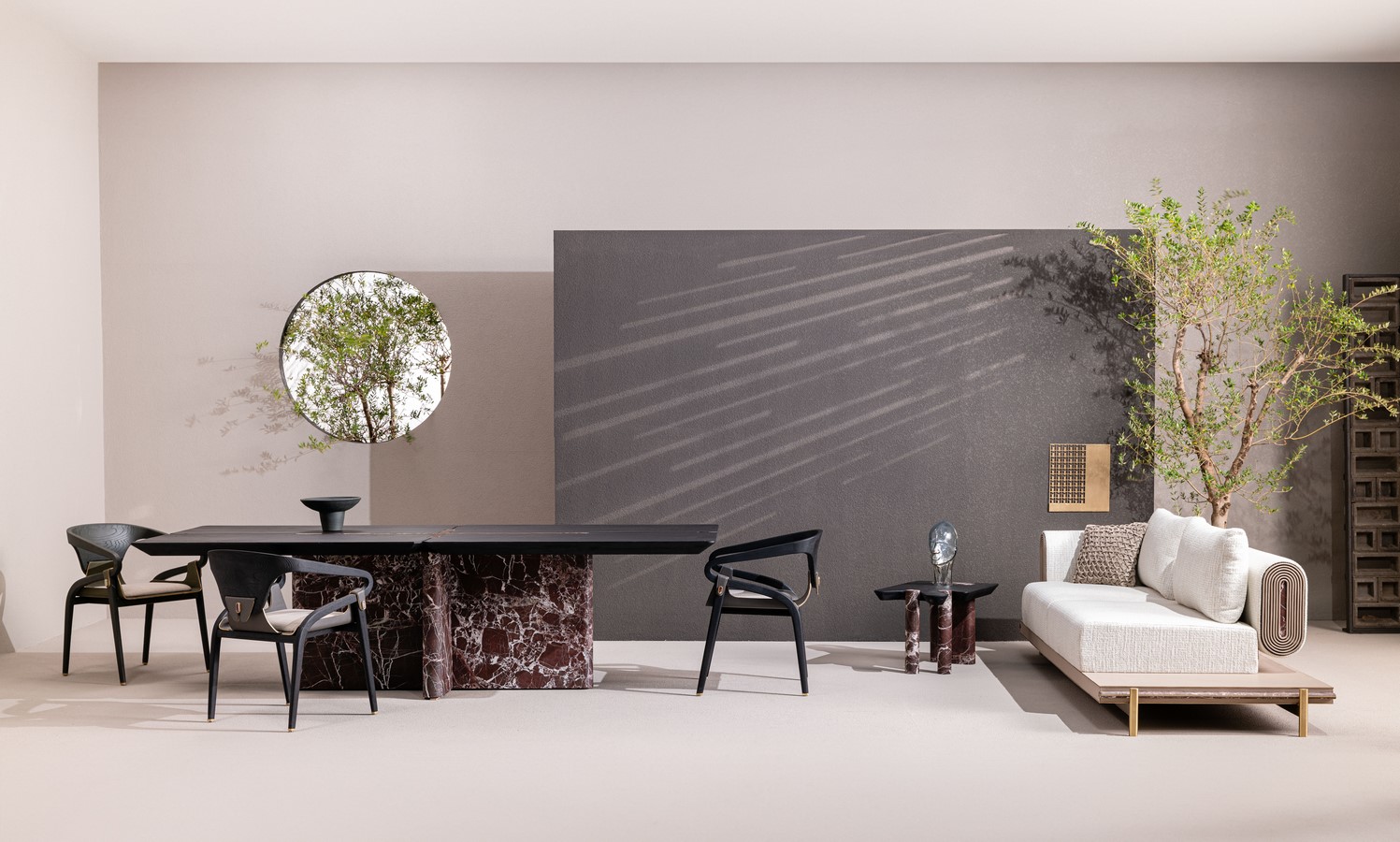
There is a quiet strength in restraint. While excess seeks to capture attention instantly, restraint allows design to unfold over time. A well-proportioned form, a muted palette, or a minimal silhouette can create a lasting impression precisely because it does not try too hard. This subtlety becomes the defining characteristic of quiet luxury, its ability to engage without overwhelming.
Longevity is another essential dimension of this philosophy. Every decision, from the selection of materials to the resolution of form, is made with time in mind. “We believe that true luxury lies in permanence,” Patel adds. “A piece should not feel dated after a few years. It should evolve, gathering character while retaining its essence.” In this way, furniture becomes something that lives and grows with its environment, rather than being replaced by it.
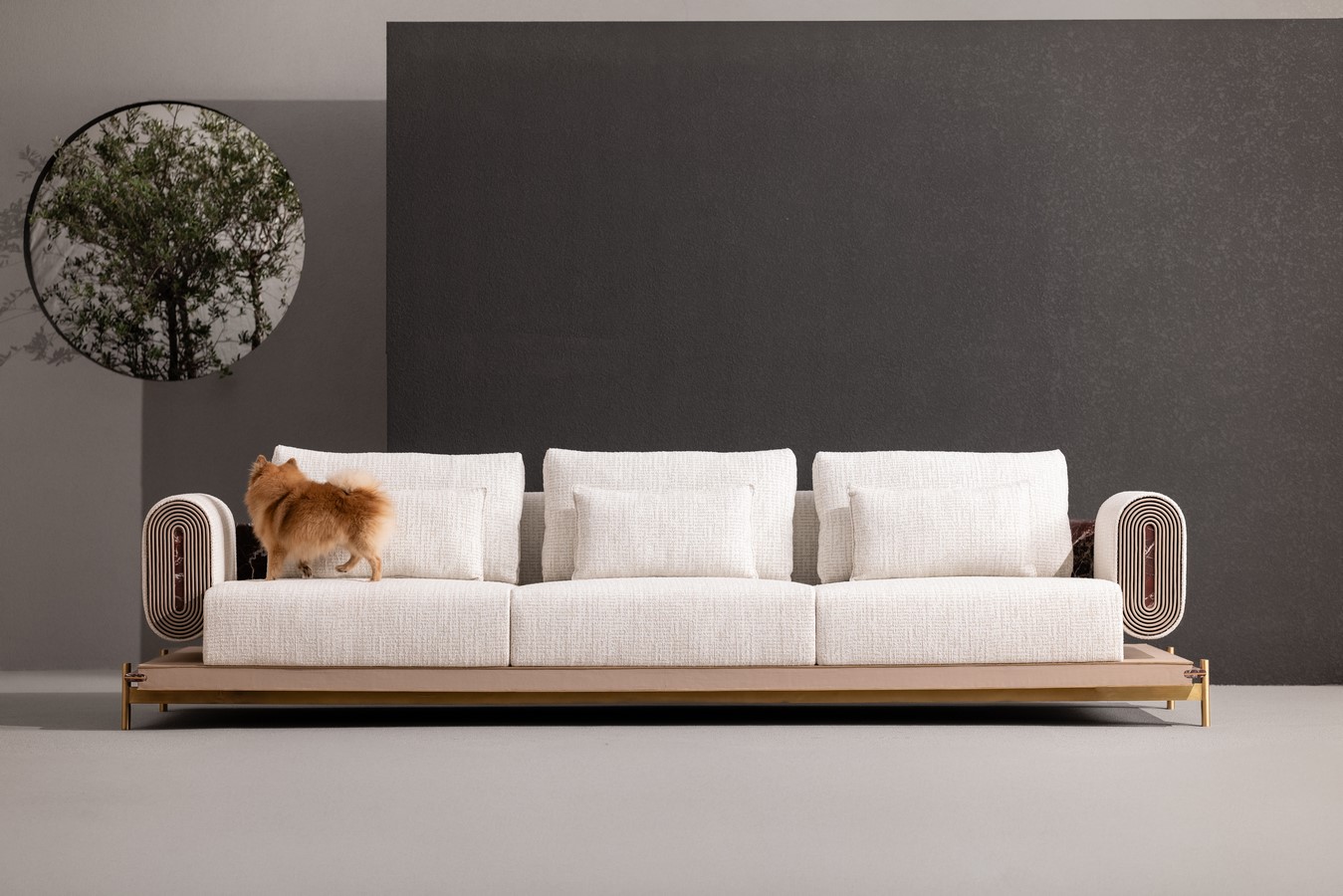
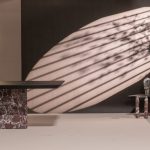
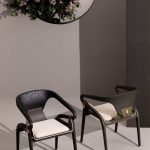
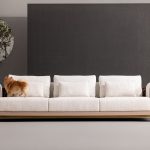
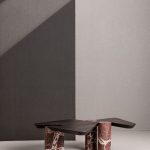
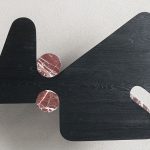
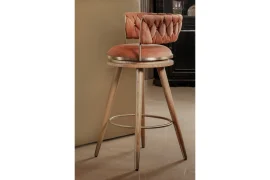
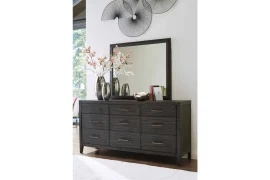
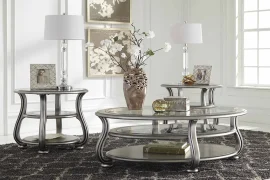
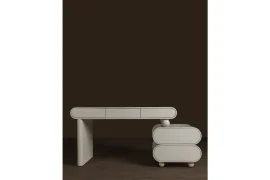
This sensibility is evident in Haruma’s key pieces, such as the Coarse Frame, Blade Console, and Sietch Table. Each design carries a distinct identity while remaining rooted in the same ethos; understated, tactile, and enduring. These are objects meant to be experienced over time, revealing new nuances through use and interaction.
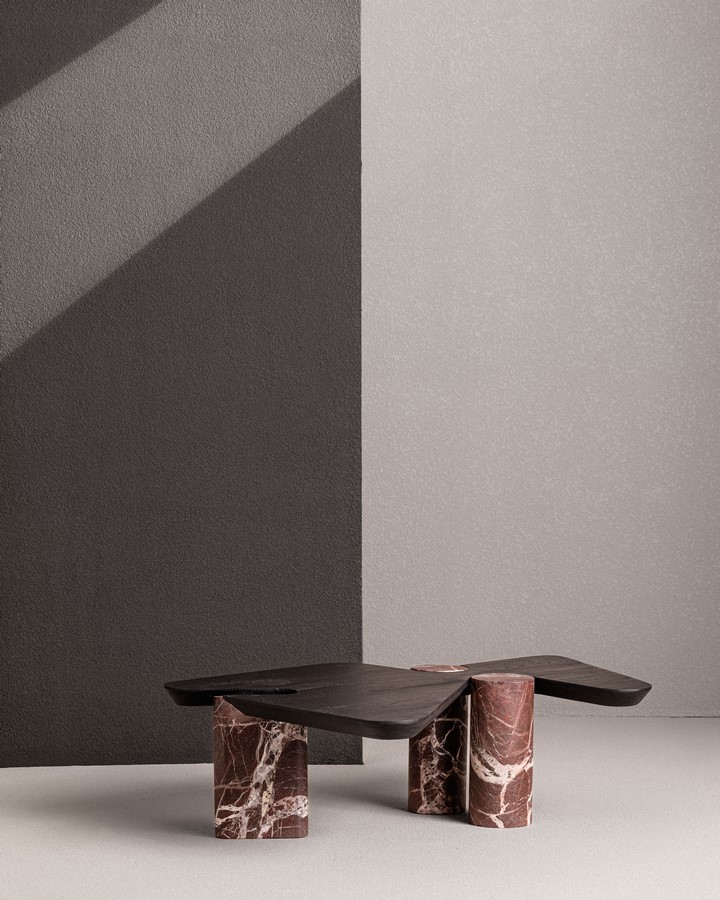
The appeal of quiet luxury is especially resonant today, as a new generation of homeowners seeks meaning beyond display. There is a growing preference for authenticity, for environments that feel personal rather than performative. Luxury, in this context, is no longer defined by extravagance but by comfort, clarity, and a sense of grounding.
For Haruma, this is not a fixed philosophy but an evolving journey. The brand continues to explore new materials, refine its techniques, and expand its understanding of what it means to design with intention. The aim is not just to create furniture, but to shape experiences, pieces that sit effortlessly within a space while enhancing the way it is lived in.
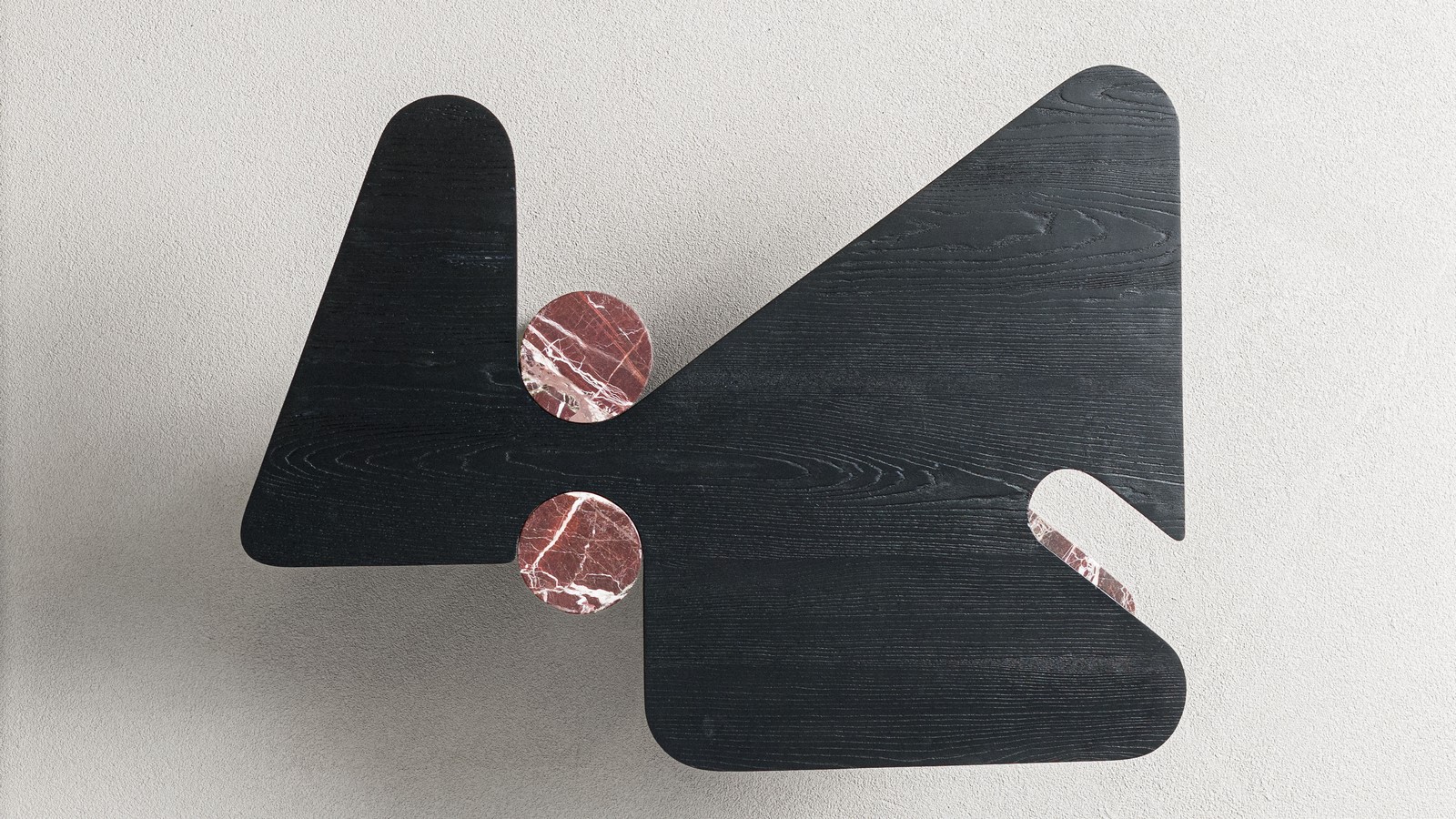
Quiet luxury ultimately resists extremes. It is not about having less or more, but about finding the right balance. It is expressed through thoughtful restraint, honest materials, and a commitment to longevity, design that does not demand attention, but quietly earns it over time.
-Sheet1
©Ravi Mistry

At its core, Haruma’s design process is not driven by trends but by a careful understanding of balance—between proportion, material, and detail. Each piece emerges through a process of refinement, where nothing feels forced and everything finds its place organically. In contrast to a culture of constant amplification, the brand gravitates toward a more introspective way of making—one that privileges clarity over ornamentation.

Quiet luxury does not announce itself loudly. Instead, it reveals its value gradually, through thoughtful detailing and a sense of permanence. For Haruma, this translates into forms that are understated yet deeply considered, surfaces that invite touch, and compositions that feel complete without excess. Furniture, in this context, transcends utility, it becomes a part of everyday living, shaping spaces with a calm, assured presence.

In an era where excess often defines aspiration, Haruma takes a more measured path—one that finds luxury in restraint, nuance, and enduring design. This approach, often described as quiet luxury, is less about visibility and more about presence: a philosophy rooted in subtlety, authenticity, and timeless appeal.At its core, Haruma’s design process is not driven by trends but by a careful understanding of balance—between proportion, material, and detail. Each piece emerges through a process of refinement, where nothing feels forced and everything finds its place organically. In contrast to a culture of constant amplification, the brand gravitates toward a more introspective way of making—one that privileges clarity over ornamentation.
Quiet luxury does not announce itself loudly. Instead, it reveals its value gradually, through thoughtful detailing and a sense of permanence. For Haruma, this translates into forms that are understated yet deeply considered, surfaces that invite touch, and compositions that feel complete without excess. Furniture, in this context, transcends utility, it becomes a part of everyday living, shaping spaces with a calm, assured presence.
Materiality plays a defining role in this narrative. Rather than being treated as a surface treatment, materials are allowed to express their inherent qualities. As founder Parth Patel explains, “There is a certain power in letting materials speak for themselves. The depth of natural wood or the quiet glow of brushed metal can communicate far more than decorative complexity. When left unforced, materials create a more intimate and sensory connection.” This emphasis on tactility shifts the focus from visual spectacle to experiential richness.
Equally important is the approach to craftsmanship. At Haruma, making is guided by precision and restraint rather than display. The emphasis lies in refined execution—clean joinery, balanced proportions, and finishes that feel seamless. The craftsmanship is not meant to draw attention to itself but to support the integrity of the design. It is something that is sensed rather than overtly seen.
There is a quiet strength in restraint. While excess seeks to capture attention instantly, restraint allows design to unfold over time. A well-proportioned form, a muted palette, or a minimal silhouette can create a lasting impression precisely because it does not try too hard. This subtlety becomes the defining characteristic of quiet luxury, its ability to engage without overwhelming.
Longevity is another essential dimension of this philosophy. Every decision, from the selection of materials to the resolution of form, is made with time in mind. “We believe that true luxury lies in permanence,” Patel adds. “A piece should not feel dated after a few years. It should evolve, gathering character while retaining its essence.” In this way, furniture becomes something that lives and grows with its environment, rather than being replaced by it.
This sensibility is evident in Haruma’s key pieces, such as the Coarse Frame, Blade Console, and Sietch Table. Each design carries a distinct identity while remaining rooted in the same ethos; understated, tactile, and enduring. These are objects meant to be experienced over time, revealing new nuances through use and interaction.
The appeal of quiet luxury is especially resonant today, as a new generation of homeowners seeks meaning beyond display. There is a growing preference for authenticity, for environments that feel personal rather than performative. Luxury, in this context, is no longer defined by extravagance but by comfort, clarity, and a sense of grounding.
For Haruma, this is not a fixed philosophy but an evolving journey. The brand continues to explore new materials, refine its techniques, and expand its understanding of what it means to design with intention. The aim is not just to create furniture, but to shape experiences, pieces that sit effortlessly within a space while enhancing the way it is lived in.
Quiet luxury ultimately resists extremes. It is not about having less or more, but about finding the right balance. It is expressed through thoughtful restraint, honest materials, and a commitment to longevity, design that does not demand attention, but quietly earns it over time.
-Sheet2
©Ravi Mistry

Materiality plays a defining role in this narrative. Rather than being treated as a surface treatment, materials are allowed to express their inherent qualities. As founder Parth Patel explains, “There is a certain power in letting materials speak for themselves. The depth of natural wood or the quiet glow of brushed metal can communicate far more than decorative complexity. When left unforced, materials create a more intimate and sensory connection.” This emphasis on tactility shifts the focus from visual spectacle to experiential richness.

Equally important is the approach to craftsmanship. At Haruma, making is guided by precision and restraint rather than display. The emphasis lies in refined execution—clean joinery, balanced proportions, and finishes that feel seamless. The craftsmanship is not meant to draw attention to itself but to support the integrity of the design. It is something that is sensed rather than overtly seen.

In an era where excess often defines aspiration, Haruma takes a more measured path—one that finds luxury in restraint, nuance, and enduring design. This approach, often described as quiet luxury, is less about visibility and more about presence: a philosophy rooted in subtlety, authenticity, and timeless appeal.At its core, Haruma’s design process is not driven by trends but by a careful understanding of balance—between proportion, material, and detail. Each piece emerges through a process of refinement, where nothing feels forced and everything finds its place organically. In contrast to a culture of constant amplification, the brand gravitates toward a more introspective way of making—one that privileges clarity over ornamentation.
Quiet luxury does not announce itself loudly. Instead, it reveals its value gradually, through thoughtful detailing and a sense of permanence. For Haruma, this translates into forms that are understated yet deeply considered, surfaces that invite touch, and compositions that feel complete without excess. Furniture, in this context, transcends utility, it becomes a part of everyday living, shaping spaces with a calm, assured presence.
Materiality plays a defining role in this narrative. Rather than being treated as a surface treatment, materials are allowed to express their inherent qualities. As founder Parth Patel explains, “There is a certain power in letting materials speak for themselves. The depth of natural wood or the quiet glow of brushed metal can communicate far more than decorative complexity. When left unforced, materials create a more intimate and sensory connection.” This emphasis on tactility shifts the focus from visual spectacle to experiential richness.
Equally important is the approach to craftsmanship. At Haruma, making is guided by precision and restraint rather than display. The emphasis lies in refined execution—clean joinery, balanced proportions, and finishes that feel seamless. The craftsmanship is not meant to draw attention to itself but to support the integrity of the design. It is something that is sensed rather than overtly seen.
There is a quiet strength in restraint. While excess seeks to capture attention instantly, restraint allows design to unfold over time. A well-proportioned form, a muted palette, or a minimal silhouette can create a lasting impression precisely because it does not try too hard. This subtlety becomes the defining characteristic of quiet luxury, its ability to engage without overwhelming.
Longevity is another essential dimension of this philosophy. Every decision, from the selection of materials to the resolution of form, is made with time in mind. “We believe that true luxury lies in permanence,” Patel adds. “A piece should not feel dated after a few years. It should evolve, gathering character while retaining its essence.” In this way, furniture becomes something that lives and grows with its environment, rather than being replaced by it.
This sensibility is evident in Haruma’s key pieces, such as the Coarse Frame, Blade Console, and Sietch Table. Each design carries a distinct identity while remaining rooted in the same ethos; understated, tactile, and enduring. These are objects meant to be experienced over time, revealing new nuances through use and interaction.
The appeal of quiet luxury is especially resonant today, as a new generation of homeowners seeks meaning beyond display. There is a growing preference for authenticity, for environments that feel personal rather than performative. Luxury, in this context, is no longer defined by extravagance but by comfort, clarity, and a sense of grounding.
For Haruma, this is not a fixed philosophy but an evolving journey. The brand continues to explore new materials, refine its techniques, and expand its understanding of what it means to design with intention. The aim is not just to create furniture, but to shape experiences, pieces that sit effortlessly within a space while enhancing the way it is lived in.
Quiet luxury ultimately resists extremes. It is not about having less or more, but about finding the right balance. It is expressed through thoughtful restraint, honest materials, and a commitment to longevity, design that does not demand attention, but quietly earns it over time.
-Sheet4
©Ravi Mistry

There is a quiet strength in restraint. While excess seeks to capture attention instantly, restraint allows design to unfold over time. A well-proportioned form, a muted palette, or a minimal silhouette can create a lasting impression precisely because it does not try too hard. This subtlety becomes the defining characteristic of quiet luxury, its ability to engage without overwhelming.

Longevity is another essential dimension of this philosophy. Every decision, from the selection of materials to the resolution of form, is made with time in mind. “We believe that true luxury lies in permanence,” Patel adds. “A piece should not feel dated after a few years. It should evolve, gathering character while retaining its essence.” In this way, furniture becomes something that lives and grows with its environment, rather than being replaced by it.

In an era where excess often defines aspiration, Haruma takes a more measured path—one that finds luxury in restraint, nuance, and enduring design. This approach, often described as quiet luxury, is less about visibility and more about presence: a philosophy rooted in subtlety, authenticity, and timeless appeal.At its core, Haruma’s design process is not driven by trends but by a careful understanding of balance—between proportion, material, and detail. Each piece emerges through a process of refinement, where nothing feels forced and everything finds its place organically. In contrast to a culture of constant amplification, the brand gravitates toward a more introspective way of making—one that privileges clarity over ornamentation.
Quiet luxury does not announce itself loudly. Instead, it reveals its value gradually, through thoughtful detailing and a sense of permanence. For Haruma, this translates into forms that are understated yet deeply considered, surfaces that invite touch, and compositions that feel complete without excess. Furniture, in this context, transcends utility, it becomes a part of everyday living, shaping spaces with a calm, assured presence.
Materiality plays a defining role in this narrative. Rather than being treated as a surface treatment, materials are allowed to express their inherent qualities. As founder Parth Patel explains, “There is a certain power in letting materials speak for themselves. The depth of natural wood or the quiet glow of brushed metal can communicate far more than decorative complexity. When left unforced, materials create a more intimate and sensory connection.” This emphasis on tactility shifts the focus from visual spectacle to experiential richness.
Equally important is the approach to craftsmanship. At Haruma, making is guided by precision and restraint rather than display. The emphasis lies in refined execution—clean joinery, balanced proportions, and finishes that feel seamless. The craftsmanship is not meant to draw attention to itself but to support the integrity of the design. It is something that is sensed rather than overtly seen.
There is a quiet strength in restraint. While excess seeks to capture attention instantly, restraint allows design to unfold over time. A well-proportioned form, a muted palette, or a minimal silhouette can create a lasting impression precisely because it does not try too hard. This subtlety becomes the defining characteristic of quiet luxury, its ability to engage without overwhelming.
Longevity is another essential dimension of this philosophy. Every decision, from the selection of materials to the resolution of form, is made with time in mind. “We believe that true luxury lies in permanence,” Patel adds. “A piece should not feel dated after a few years. It should evolve, gathering character while retaining its essence.” In this way, furniture becomes something that lives and grows with its environment, rather than being replaced by it.
This sensibility is evident in Haruma’s key pieces, such as the Coarse Frame, Blade Console, and Sietch Table. Each design carries a distinct identity while remaining rooted in the same ethos; understated, tactile, and enduring. These are objects meant to be experienced over time, revealing new nuances through use and interaction.
The appeal of quiet luxury is especially resonant today, as a new generation of homeowners seeks meaning beyond display. There is a growing preference for authenticity, for environments that feel personal rather than performative. Luxury, in this context, is no longer defined by extravagance but by comfort, clarity, and a sense of grounding.
For Haruma, this is not a fixed philosophy but an evolving journey. The brand continues to explore new materials, refine its techniques, and expand its understanding of what it means to design with intention. The aim is not just to create furniture, but to shape experiences, pieces that sit effortlessly within a space while enhancing the way it is lived in.
Quiet luxury ultimately resists extremes. It is not about having less or more, but about finding the right balance. It is expressed through thoughtful restraint, honest materials, and a commitment to longevity, design that does not demand attention, but quietly earns it over time.
-Sheet7
©Ravi Mistry

This sensibility is evident in Haruma’s key pieces, such as the Coarse Frame, Blade Console, and Sietch Table. Each design carries a distinct identity while remaining rooted in the same ethos; understated, tactile, and enduring. These are objects meant to be experienced over time, revealing new nuances through use and interaction.

In an era where excess often defines aspiration, Haruma takes a more measured path—one that finds luxury in restraint, nuance, and enduring design. This approach, often described as quiet luxury, is less about visibility and more about presence: a philosophy rooted in subtlety, authenticity, and timeless appeal.At its core, Haruma’s design process is not driven by trends but by a careful understanding of balance—between proportion, material, and detail. Each piece emerges through a process of refinement, where nothing feels forced and everything finds its place organically. In contrast to a culture of constant amplification, the brand gravitates toward a more introspective way of making—one that privileges clarity over ornamentation.
Quiet luxury does not announce itself loudly. Instead, it reveals its value gradually, through thoughtful detailing and a sense of permanence. For Haruma, this translates into forms that are understated yet deeply considered, surfaces that invite touch, and compositions that feel complete without excess. Furniture, in this context, transcends utility, it becomes a part of everyday living, shaping spaces with a calm, assured presence.
Materiality plays a defining role in this narrative. Rather than being treated as a surface treatment, materials are allowed to express their inherent qualities. As founder Parth Patel explains, “There is a certain power in letting materials speak for themselves. The depth of natural wood or the quiet glow of brushed metal can communicate far more than decorative complexity. When left unforced, materials create a more intimate and sensory connection.” This emphasis on tactility shifts the focus from visual spectacle to experiential richness.
Equally important is the approach to craftsmanship. At Haruma, making is guided by precision and restraint rather than display. The emphasis lies in refined execution—clean joinery, balanced proportions, and finishes that feel seamless. The craftsmanship is not meant to draw attention to itself but to support the integrity of the design. It is something that is sensed rather than overtly seen.
There is a quiet strength in restraint. While excess seeks to capture attention instantly, restraint allows design to unfold over time. A well-proportioned form, a muted palette, or a minimal silhouette can create a lasting impression precisely because it does not try too hard. This subtlety becomes the defining characteristic of quiet luxury, its ability to engage without overwhelming.
Longevity is another essential dimension of this philosophy. Every decision, from the selection of materials to the resolution of form, is made with time in mind. “We believe that true luxury lies in permanence,” Patel adds. “A piece should not feel dated after a few years. It should evolve, gathering character while retaining its essence.” In this way, furniture becomes something that lives and grows with its environment, rather than being replaced by it.
This sensibility is evident in Haruma’s key pieces, such as the Coarse Frame, Blade Console, and Sietch Table. Each design carries a distinct identity while remaining rooted in the same ethos; understated, tactile, and enduring. These are objects meant to be experienced over time, revealing new nuances through use and interaction.
The appeal of quiet luxury is especially resonant today, as a new generation of homeowners seeks meaning beyond display. There is a growing preference for authenticity, for environments that feel personal rather than performative. Luxury, in this context, is no longer defined by extravagance but by comfort, clarity, and a sense of grounding.
For Haruma, this is not a fixed philosophy but an evolving journey. The brand continues to explore new materials, refine its techniques, and expand its understanding of what it means to design with intention. The aim is not just to create furniture, but to shape experiences, pieces that sit effortlessly within a space while enhancing the way it is lived in.
Quiet luxury ultimately resists extremes. It is not about having less or more, but about finding the right balance. It is expressed through thoughtful restraint, honest materials, and a commitment to longevity, design that does not demand attention, but quietly earns it over time.
-Sheet8
©Ravi Mistry

The appeal of quiet luxury is especially resonant today, as a new generation of homeowners seeks meaning beyond display. There is a growing preference for authenticity, for environments that feel personal rather than performative. Luxury, in this context, is no longer defined by extravagance but by comfort, clarity, and a sense of grounding.

For Haruma, this is not a fixed philosophy but an evolving journey. The brand continues to explore new materials, refine its techniques, and expand its understanding of what it means to design with intention. The aim is not just to create furniture, but to shape experiences, pieces that sit effortlessly within a space while enhancing the way it is lived in.

In an era where excess often defines aspiration, Haruma takes a more measured path—one that finds luxury in restraint, nuance, and enduring design. This approach, often described as quiet luxury, is less about visibility and more about presence: a philosophy rooted in subtlety, authenticity, and timeless appeal.At its core, Haruma’s design process is not driven by trends but by a careful understanding of balance—between proportion, material, and detail. Each piece emerges through a process of refinement, where nothing feels forced and everything finds its place organically. In contrast to a culture of constant amplification, the brand gravitates toward a more introspective way of making—one that privileges clarity over ornamentation.
Quiet luxury does not announce itself loudly. Instead, it reveals its value gradually, through thoughtful detailing and a sense of permanence. For Haruma, this translates into forms that are understated yet deeply considered, surfaces that invite touch, and compositions that feel complete without excess. Furniture, in this context, transcends utility, it becomes a part of everyday living, shaping spaces with a calm, assured presence.
Materiality plays a defining role in this narrative. Rather than being treated as a surface treatment, materials are allowed to express their inherent qualities. As founder Parth Patel explains, “There is a certain power in letting materials speak for themselves. The depth of natural wood or the quiet glow of brushed metal can communicate far more than decorative complexity. When left unforced, materials create a more intimate and sensory connection.” This emphasis on tactility shifts the focus from visual spectacle to experiential richness.
Equally important is the approach to craftsmanship. At Haruma, making is guided by precision and restraint rather than display. The emphasis lies in refined execution—clean joinery, balanced proportions, and finishes that feel seamless. The craftsmanship is not meant to draw attention to itself but to support the integrity of the design. It is something that is sensed rather than overtly seen.
There is a quiet strength in restraint. While excess seeks to capture attention instantly, restraint allows design to unfold over time. A well-proportioned form, a muted palette, or a minimal silhouette can create a lasting impression precisely because it does not try too hard. This subtlety becomes the defining characteristic of quiet luxury, its ability to engage without overwhelming.
Longevity is another essential dimension of this philosophy. Every decision, from the selection of materials to the resolution of form, is made with time in mind. “We believe that true luxury lies in permanence,” Patel adds. “A piece should not feel dated after a few years. It should evolve, gathering character while retaining its essence.” In this way, furniture becomes something that lives and grows with its environment, rather than being replaced by it.
This sensibility is evident in Haruma’s key pieces, such as the Coarse Frame, Blade Console, and Sietch Table. Each design carries a distinct identity while remaining rooted in the same ethos; understated, tactile, and enduring. These are objects meant to be experienced over time, revealing new nuances through use and interaction.
The appeal of quiet luxury is especially resonant today, as a new generation of homeowners seeks meaning beyond display. There is a growing preference for authenticity, for environments that feel personal rather than performative. Luxury, in this context, is no longer defined by extravagance but by comfort, clarity, and a sense of grounding.
For Haruma, this is not a fixed philosophy but an evolving journey. The brand continues to explore new materials, refine its techniques, and expand its understanding of what it means to design with intention. The aim is not just to create furniture, but to shape experiences, pieces that sit effortlessly within a space while enhancing the way it is lived in.
Quiet luxury ultimately resists extremes. It is not about having less or more, but about finding the right balance. It is expressed through thoughtful restraint, honest materials, and a commitment to longevity, design that does not demand attention, but quietly earns it over time.
-Sheet9
©Ravi Mistry

Quiet luxury ultimately resists extremes. It is not about having less or more, but about finding the right balance. It is expressed through thoughtful restraint, honest materials, and a commitment to longevity, design that does not demand attention, but quietly earns it over time.

Author

Rethinking The Future (RTF) is a Global Platform for Architecture and Design. RTF through more than 100 countries around the world provides an interactive platform of highest standard acknowledging the projects among creative and influential industry professionals.