Buerger Center for Advanced Pediatric Care, USA – Examples of World’s Most Impressive Hospital Architecture
In the realm of healthcare architecture, the Buerger Center for Advanced Pediatric Care in the USA stands as a testament to innovative design, patient-centric spaces, and cutting-edge healthcare solutions. Located in Philadelphia, this architectural marvel not only symbolizes excellence in pediatric care but also sets new standards for hospital design globally. This in-depth article explores the nuanced details that contribute to the Buerger Center’s distinction as one of the world’s most impressive and forward-thinking healthcare structures.
Architectural Brilliance
A Pediatric Oasis: Exterior Design
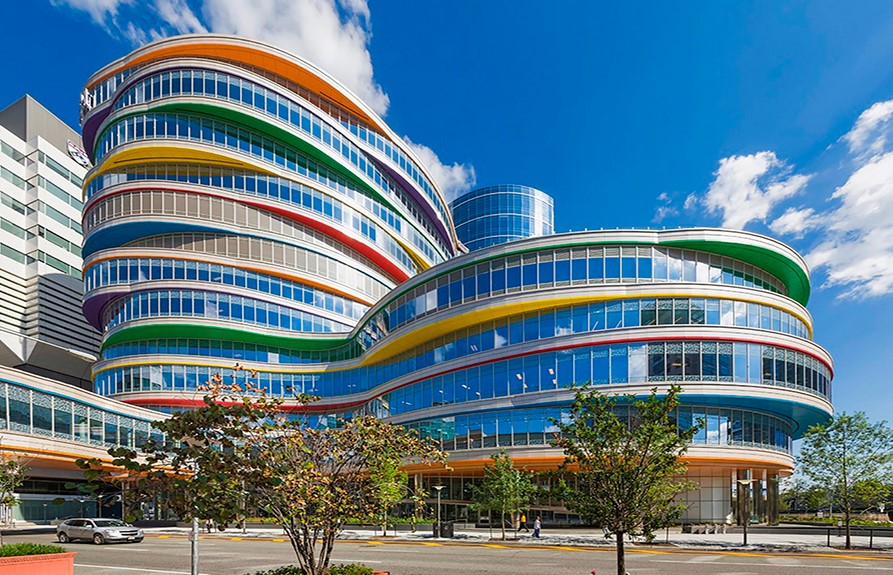
The Buerger Center’s exterior design is a harmonious blend of functionality and aesthetics. The architects have carefully crafted a structure that reflects the hospital’s commitment to pediatric care. Vibrant colors, playful shapes, and an inviting facade create an atmosphere of warmth and positivity. The exterior serves as a prelude to the innovative and child-friendly spaces within.
Interior Spaces: Where Design Meets Healing
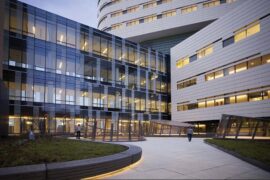
Within the Buerger Center, the interior spaces are a testament to a patient-centric approach. Waiting areas, treatment rooms, and patient accommodations are thoughtfully designed to prioritize the unique needs of pediatric patients. The interior design emphasizes natural light, interactive elements, and age-appropriate aesthetics, fostering an environment that promotes healing and well-being.
Construction Excellence
Sustainable Architecture: Beyond Green Initiatives
The Buerger Center exemplifies construction excellence through its commitment to sustainability. The construction incorporates eco-friendly materials, energy-efficient systems, and environmentally responsible waste management. The hospital’s dedication to sustainability extends beyond green initiatives to encompass a holistic approach that considers the long-term impact on both the environment and the community it serves.
State-of-the-Art Technology Integration
The hospital’s construction seamlessly integrates state-of-the-art technology to enhance healthcare delivery. From advanced medical equipment to smart building systems, the technological infrastructure supports medical professionals in providing efficient and effective care. This integration not only positions the Buerger Center at the forefront of pediatric healthcare but also enhances the overall patient experience.
Architectural Features
Pediatric-Centric Design Elements
The Buerger Center prioritizes pediatric-centric design elements throughout its architecture. From whimsical artwork to child-friendly furniture, every aspect is tailored to create an environment that is welcoming and comforting for young patients. These design elements go beyond aesthetics, contributing to the emotional well-being of pediatric patients and their families.
Gardens and Outdoor Spaces: Nature as a Healing Companion
The inclusion of gardens and outdoor spaces is a distinctive architectural feature of the Buerger Center. These areas provide patients, families, and staff with access to nature, recognizing the therapeutic benefits of outdoor environments in the healing process. The thoughtful integration of green spaces enhances the overall patient experience and contributes to the hospital’s holistic approach to healthcare.
Achieving Healthcare Excellence
Comprehensive Pediatric Healthcare Services
The Buerger Center stands as a hub of comprehensive pediatric healthcare services. The inclusion of specialized units, diagnostic centers, and a commitment to pediatric research positions the hospital as a leader in pediatric healthcare provision. This comprehensive approach ensures that young patients receive high-quality care across various medical disciplines.
Positive Health Outcomes and Community Impact
Since its inception, the Buerger Center for Advanced Pediatric Care has played a pivotal role in achieving positive health outcomes for its patients. The integration of advanced medical technologies, pediatric-centric design, and a commitment to continuous improvement has resulted in improved patient satisfaction and successful treatment outcomes. Beyond its architectural brilliance, the Buerger Center has become a cornerstone of healthcare excellence and a positive force in the community it serves.
Conclusion
As we explore the architectural marvel that is the Buerger Center for Advanced Pediatric Care, it becomes evident that this institution transcends the conventional boundaries of healthcare architecture. The hospital’s commitment to pediatric-centric design, sustainability, and technological integration positions it among the world’s most impressive healthcare structures. The Buerger Center is not merely a building; it is a manifestation of architectural excellence, compassionate healthcare, and a promise to elevate the standard of pediatric care globally.