The LIFT House – Examples of Flood resistant architecture around the world
In the ever-evolving landscape of flood-resistant architecture, The LIFT House emerges as a paradigm of innovative design and engineering. This article meticulously dissects the distinctive features of The LIFT House, shedding light on its role in the global narrative of flood-resistant structures.
Design Concept and Evolution
Foundations in Innovation
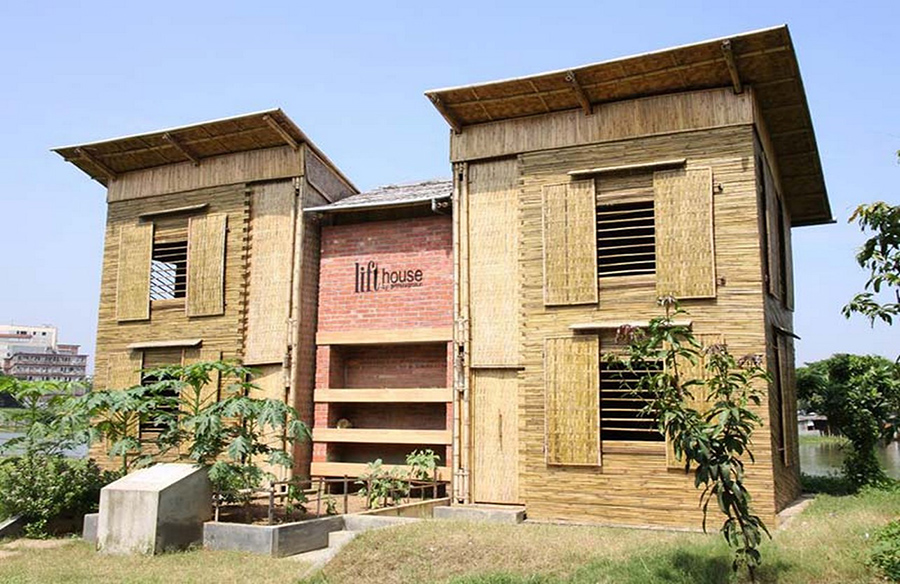
The LIFT House, a groundbreaking project in flood-resistant architecture, stands out for its inventive approach to mitigating the impact of rising waters. From its conceptualization, the architects envisioned a dwelling that not only defies flood challenges but also integrates seamlessly into its surroundings, demonstrating a harmonious coexistence with nature.
Elevated Living Spaces
At the core of The LIFT House’s design philosophy is the elevation of living spaces. By lifting the habitable areas above potential flood levels, the architects ensure the structural resilience of the building while prioritizing the safety and well-being of its occupants. This elevated design not only provides protection from flooding but also affords panoramic views of the surroundings.
Structural Engineering Marvels
Hydraulic Lift Systems
A standout feature of The LIFT House is its utilization of hydraulic lift systems, allowing the entire structure to be raised when faced with imminent flood threats. This dynamic response mechanism enables the building to adapt to changing water levels, showcasing a level of flexibility and innovation rarely seen in conventional architectural practices.
Modular Construction for Adaptability
Embracing the principles of adaptability, The LIFT House employs modular construction techniques. This not only facilitates a streamlined building process but also allows for easy disassembly and relocation, providing a comprehensive solution to the challenges posed by recurrent flooding in vulnerable regions.
Global Impact and Case Studies
North America
The LIFT House has made waves in flood-prone regions of North America, offering a blueprint for resilient housing in areas susceptible to hurricanes and storm surges. The success stories from coastal communities in the United States highlight the effectiveness of The LIFT House in safeguarding lives and property during extreme weather events.
Southeast Asia
In Southeast Asia, where monsoons and river flooding are prevalent, The LIFT House has become a beacon of hope. Countries like Thailand and Indonesia have embraced this flood-resistant architecture, recognizing its potential to provide secure and sustainable housing solutions in the face of unpredictable water levels.
Statistical Resilience Metrics
Elevation Effectiveness
Statistical data on The LIFT House’s elevation effectiveness demonstrates a significant reduction in vulnerability to flooding. The elevated design has proven instrumental in minimizing damage and ensuring the habitability of the structure even during severe flood events.
Hydraulic System Performance
Metrics pertaining to the hydraulic lift systems showcase the efficiency of The LIFT House in adapting to changing water levels. Real-time data on the response time and reliability of these systems underscore their crucial role in the overall flood resilience of the structure.
Sustainability Achievements
Energy-Efficient Practices
Beyond flood resilience, The LIFT House excels in sustainability metrics. Energy-efficient practices, including the use of solar panels and rainwater harvesting, contribute to a reduced environmental footprint. These sustainable features align with the global push for eco-friendly architecture in the face of climate change.
Community Integration
The success of The LIFT House extends beyond its structural achievements. Community integration and education programs have been pivotal in ensuring the long-term sustainability of flood-resistant practices. The positive impact on local communities highlights the broader implications of The LIFT House as a catalyst for change.
Challenges and Ongoing Innovations
Cost Considerations
While The LIFT House showcases immense potential, challenges related to construction costs need to be addressed for widespread adoption. Ongoing research and technological innovations aim to optimize construction processes, making flood-resistant architecture more economically viable for diverse communities.
Continuous Adaptation
The architectural industry is dynamic, and The LIFT House serves as a testament to the need for continuous adaptation. Ongoing research and development efforts focus on enhancing the resilience of flood-resistant structures, ensuring that they remain at the forefront of sustainable and disaster-resilient architecture.
Conclusion
The LIFT House stands as a beacon of innovation and resilience in the realm of flood-resistant architecture. Its dynamic design, hydraulic lift systems, and commitment to sustainability mark it as a trailblazer in safeguarding communities against the threats of rising waters. As the global community grapples with the increasing challenges of climate change, The LIFT House serves as a testament to the transformative power of architectural ingenuity in creating a safer and more sustainable future.